
Protective lenses for Tobii Pro Glasses 3 — Protection for the glasses against sun, dust and the factory floor
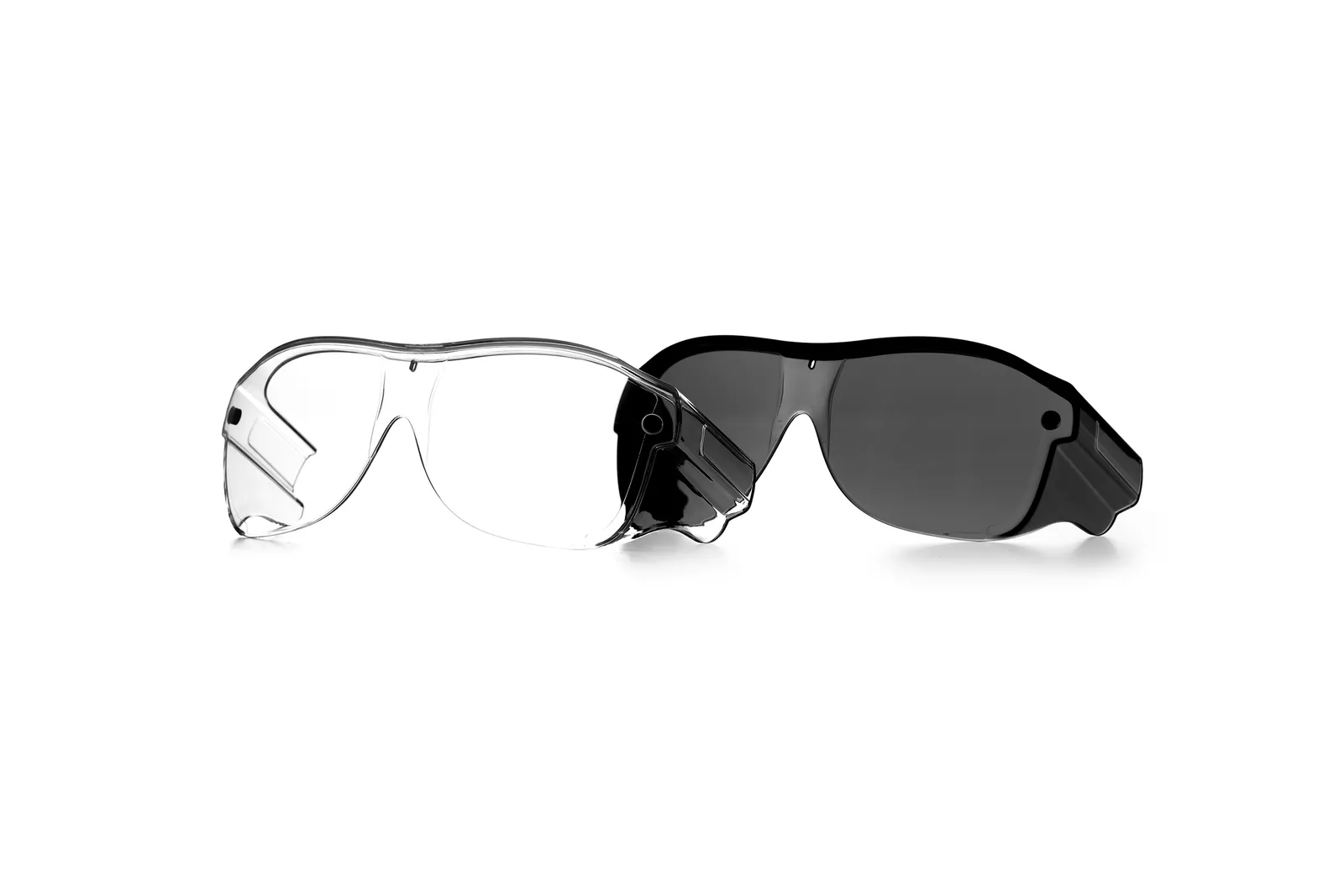
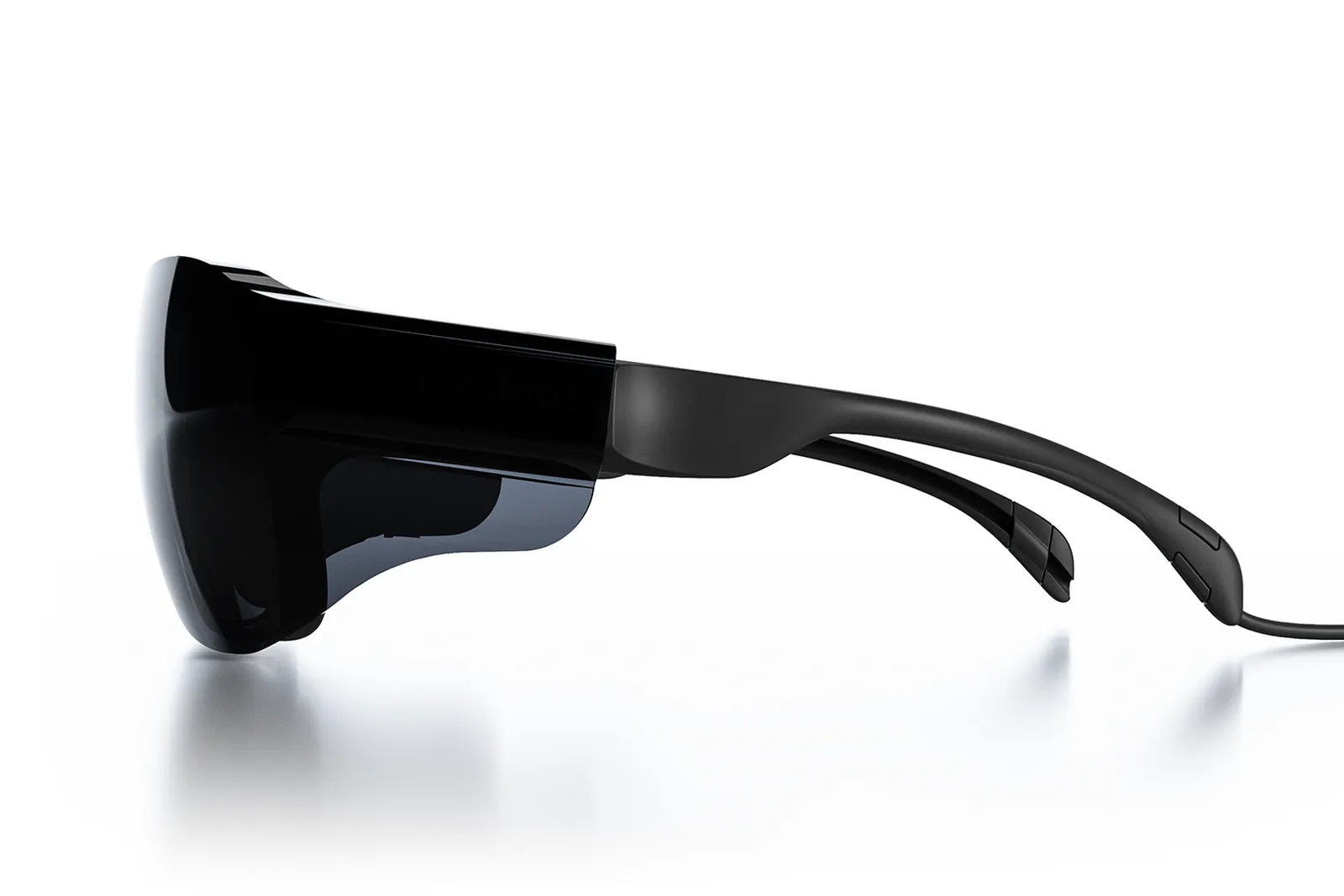
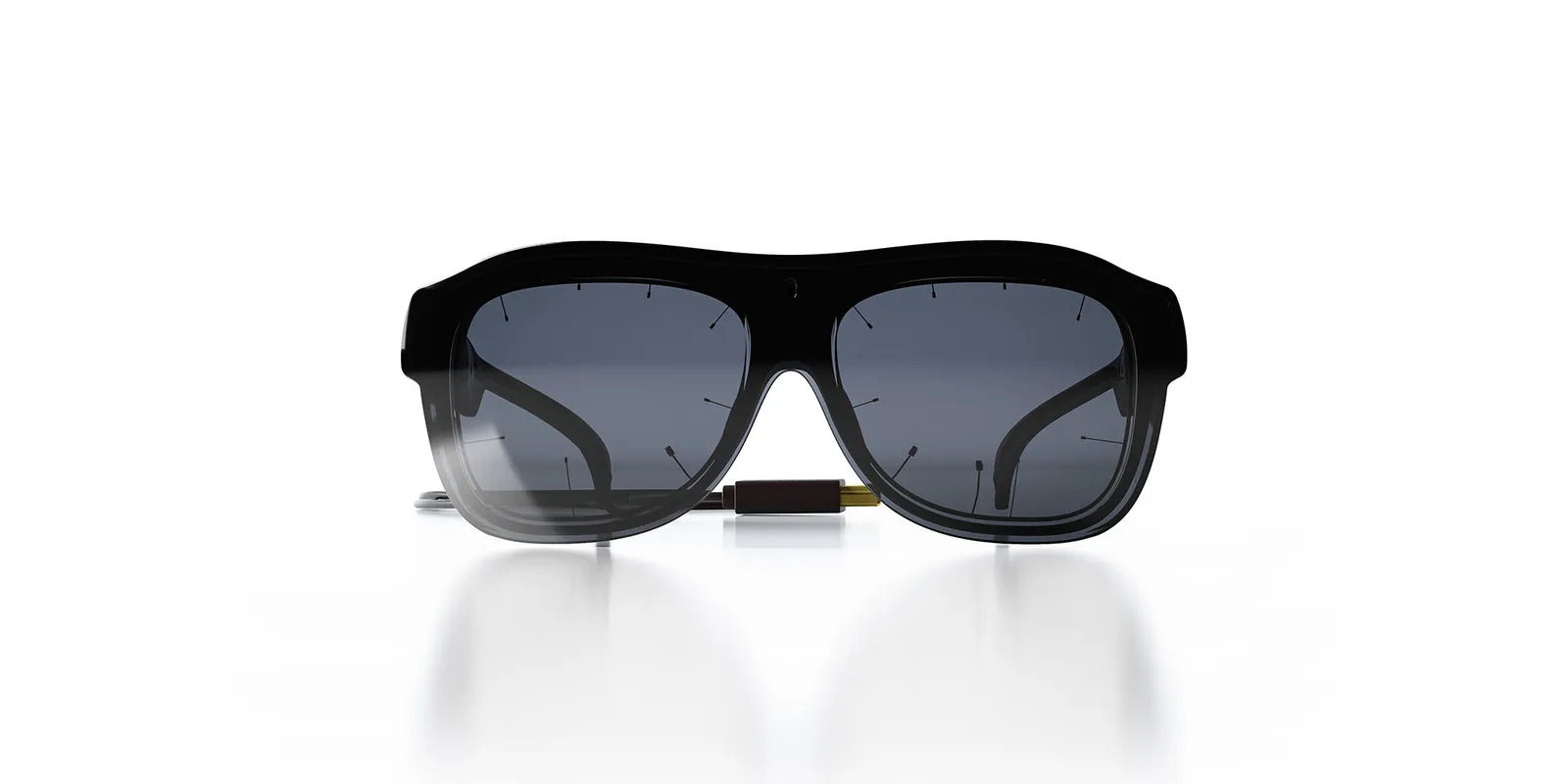
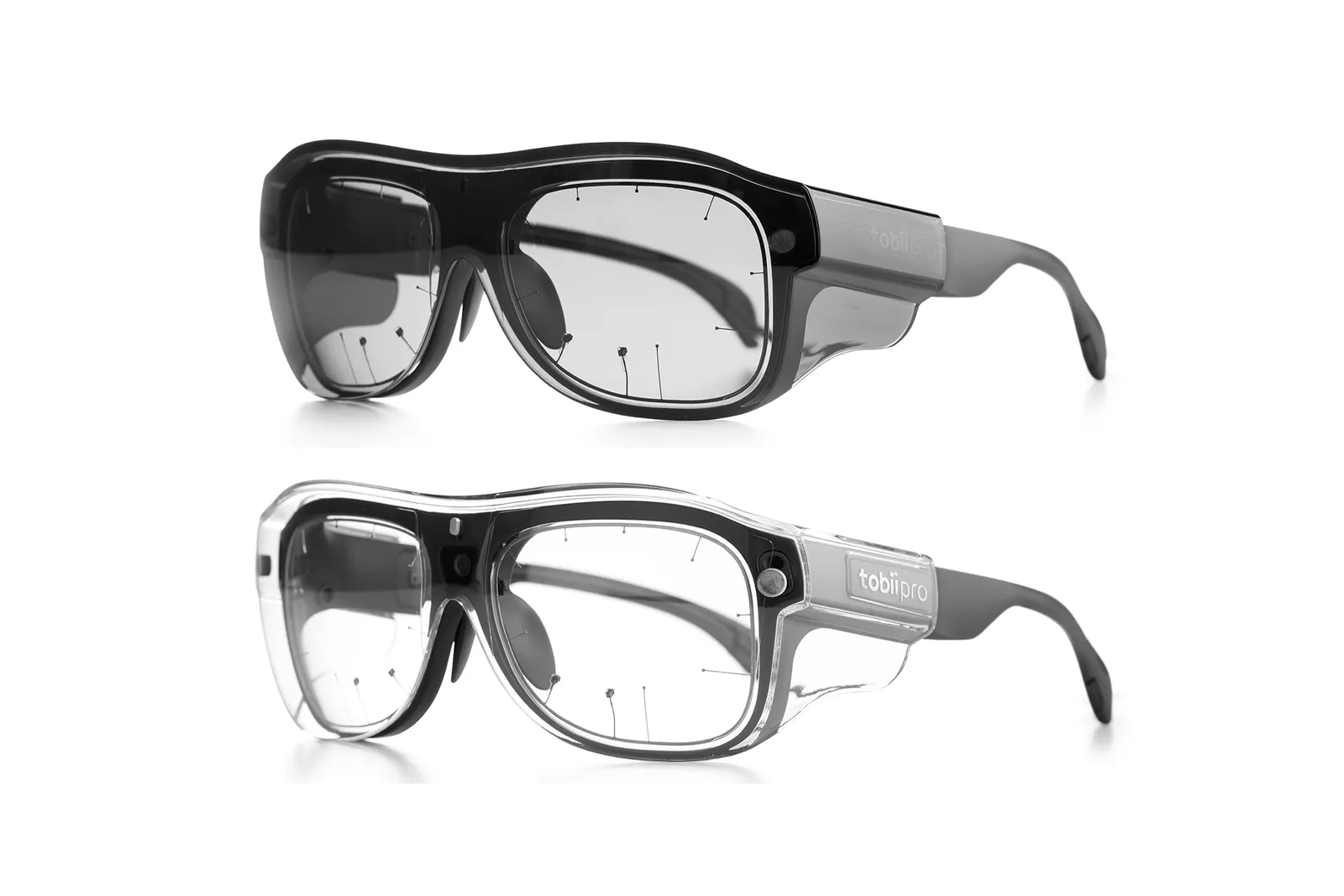
Two Tobii polycarbonate shields that you attach to the front of the eye tracking glasses. They take the dust, scratches and impacts, and the tinted version blocks infrared light from the sun, which interferes with the measurement. You can take the glasses wherever the behavior you study actually happens.
+ corrective lensesboth versions can be worn with them
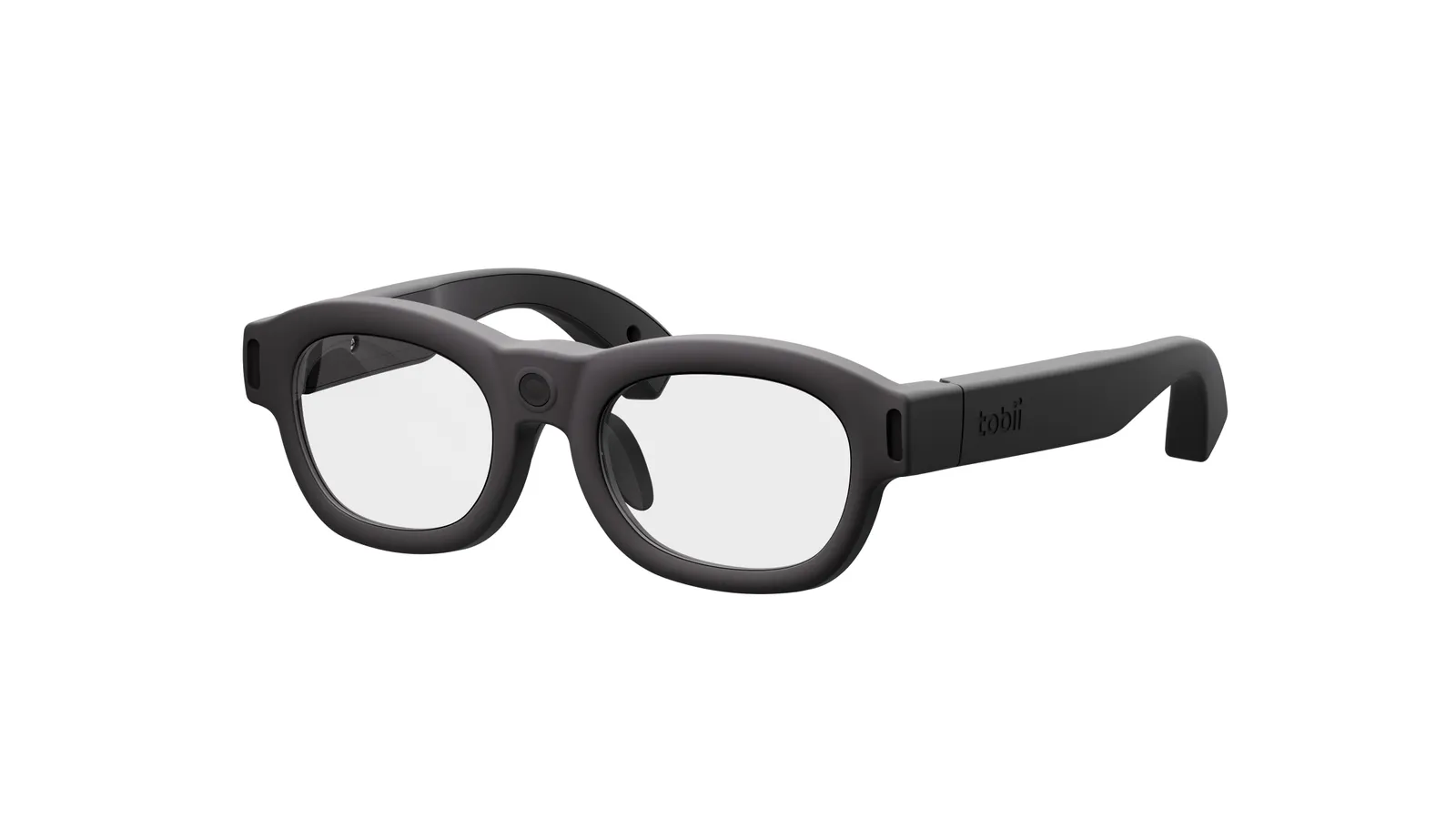
Tobii Pro Glasses 3 with a tinted protective lens
Tobii Pro Glasses 3 accessory
A second shield in front of the glasses' sensors
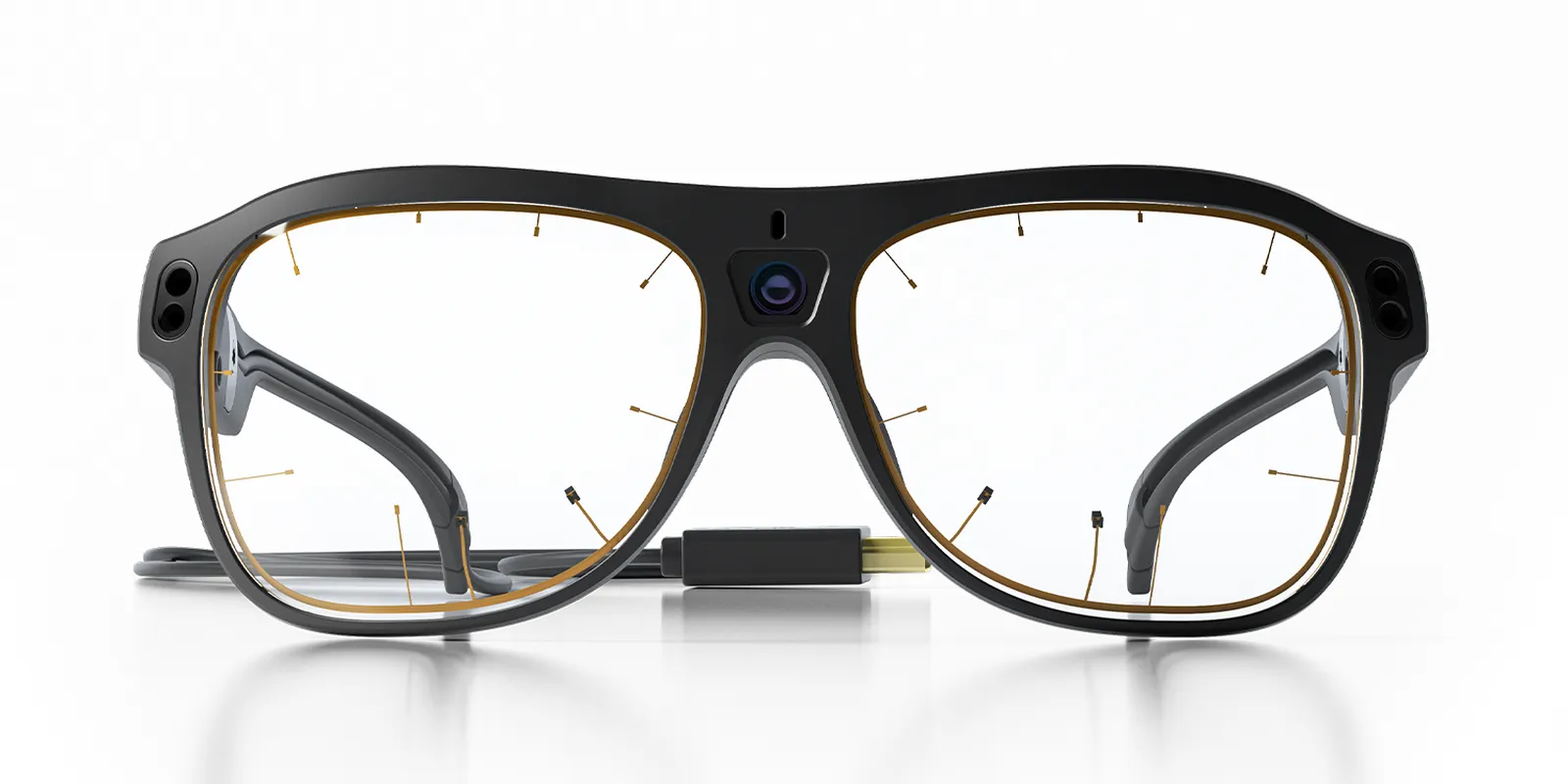
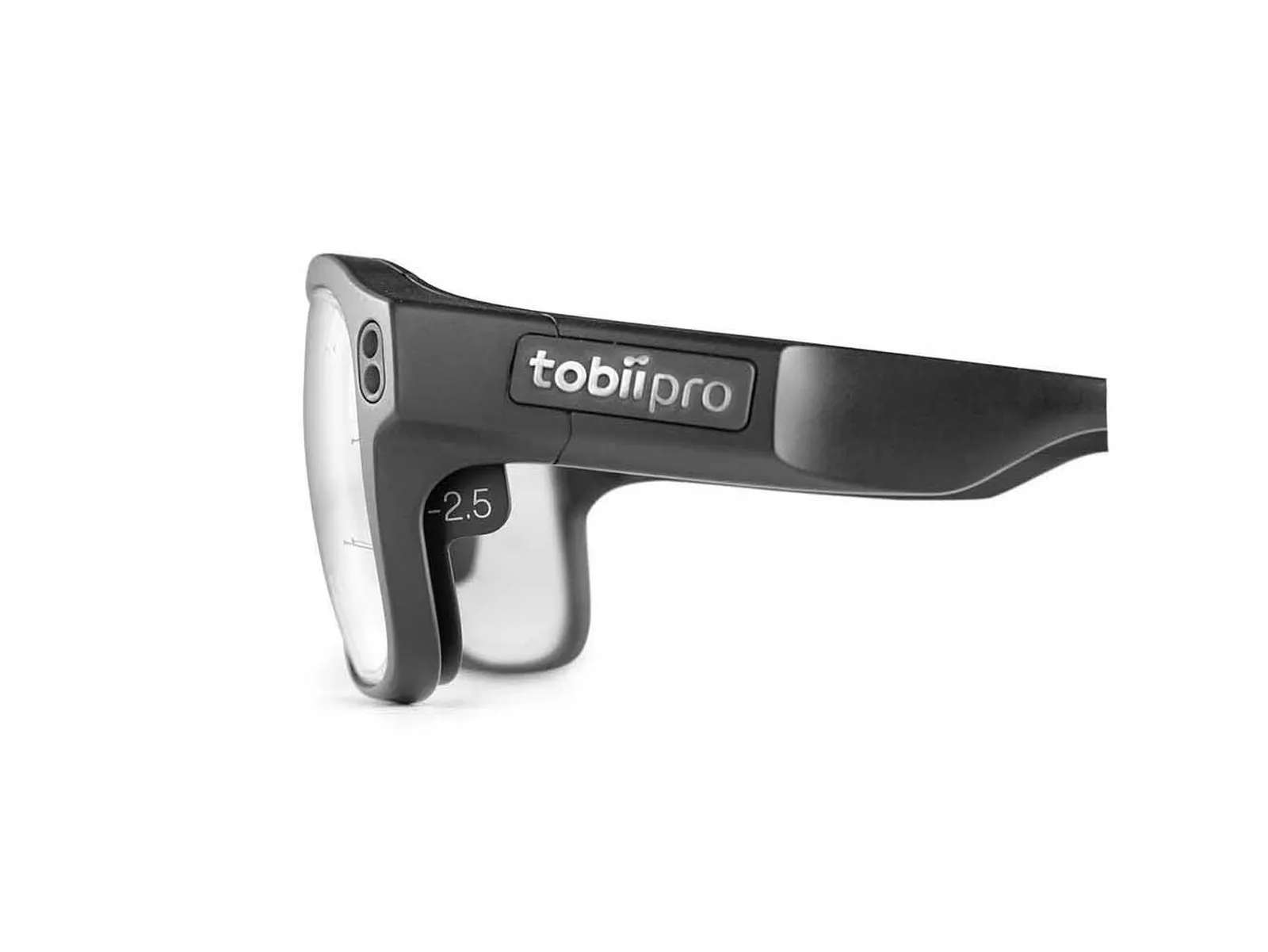
Tobii Pro Glasses 3 are glasses that measure where a person is looking. They do it through their own lenses: infrared illuminators and small eye-facing cameras are built into the lenses. Every scratch, smudge or impact on the lens is a risk to the measurement — which is why Tobii designed protective lenses that take all of it instead.
1glasses' lenses: eye cameras and IR illuminators2polycarbonate protective lens at the front3here: the tinted version
How it works — in three sentences
The glasses look at the eyes through the lensEach Pro Glasses 3 lens contains two eye cameras and infrared illuminators that light the eye with invisible light.
The protective lens sits in front of itYou attach it to the front of the glasses, at the dedicated accessory attachment point. Dust, scratches and impacts hit the protective lens, not the glasses.
The tinted version filters sunlightIt blocks external infrared light, which in full sunlight can interfere with the glasses' sensors.
Outdoor studies
The sun shines in infrared, too
An eye tracker recognizes the eye in the light of its own infrared illuminators. Outdoors, it competes with the sun — and sunlight contains a lot of infrared. Switch the view to see what the tinted protective lens changes.
Without a protective lens: infrared light from the sun reaches the sensors together with the light from the glasses' illuminators.With the tinted protective lens: external infrared light stops at the protective lens; the eye is lit by the glasses' illuminators.
The Tobii Pro Glasses 3 user manual says it plainly: direct sunlight and infrared sources, such as halogen lamps, can interfere with the eye tracking sensors. For studies in such conditions, the manufacturer provides a tinted, infrared-blocking protective lens.
For a researcher, that is the difference between a recording you can analyze and a session you have to repeat — especially when the participant moves from shade into sunlight, rides a bike or works outdoors.
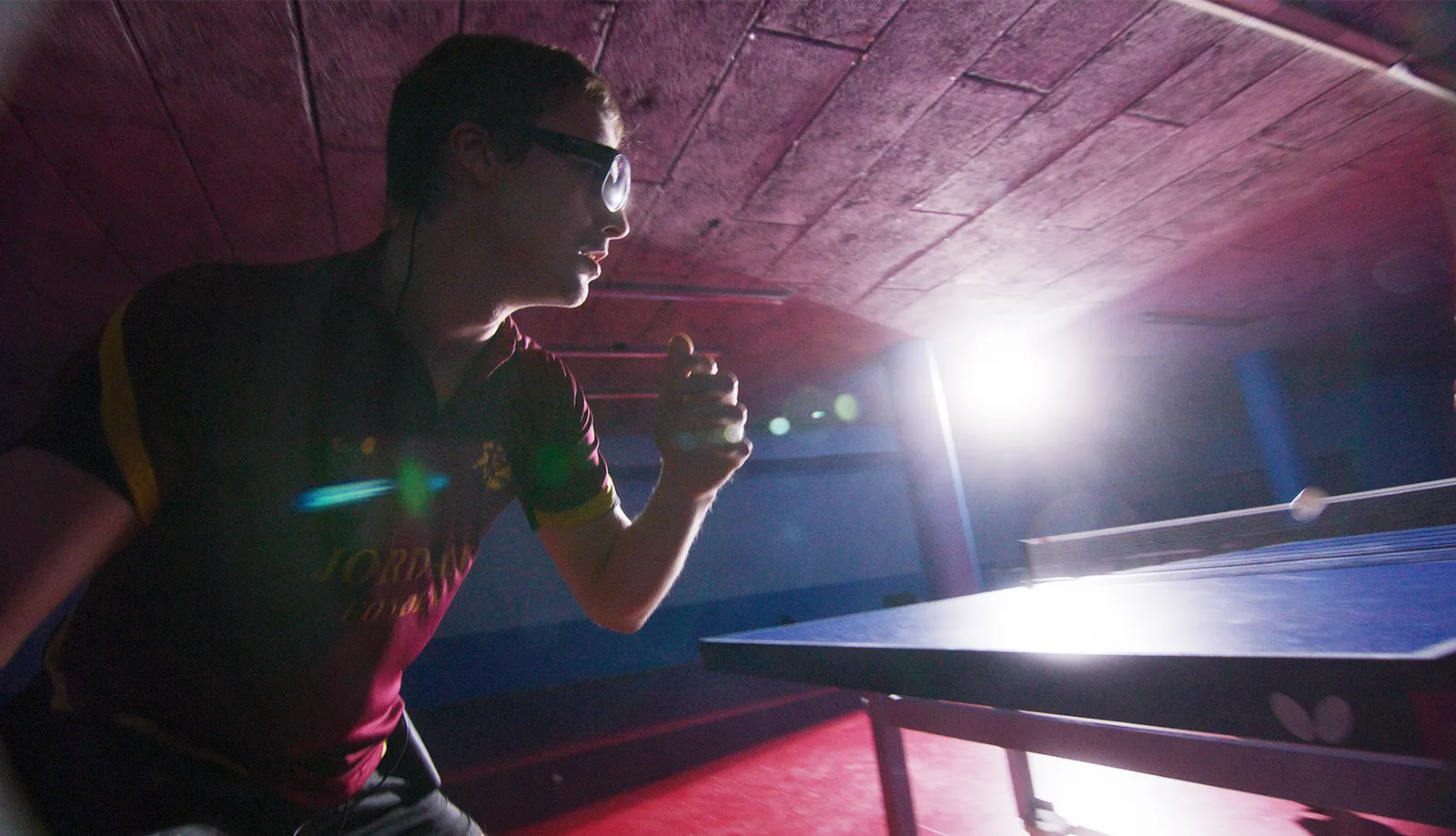
Illustration: the rays and the protective lens are overlaid on the photo. In the Tobii photo, the participant wears the glasses without a protective lens.
Two protective lenses in the kit
Tinted for the sun, clear for the workshop
The Tobii kit includes both versions. Both are made of polycarbonate — the material of safety glasses, impact and scratch resistant — and both work with Tobii corrective lenses.
Tinted · IR blocking
Outdoors and in bright light
outdoor studies: traffic, cycling, sports, field work
brightly lit indoor spaces, including lamps that emit infrared
reduces glare and improves participant comfort in the sun
Tobii: the tinted, infrared-blocking version is intended for outdoor use and bright light.
Clear
Wherever the glasses must not get damaged
production halls, assembly, machine servicing and operation
dust, debris, chips and accidental impacts with surrounding objects
indoor studies where tinting is not needed
Tobii: the clear version protects the eye tracker in environments where equipment durability is key.
Applications
When to keep them in the case
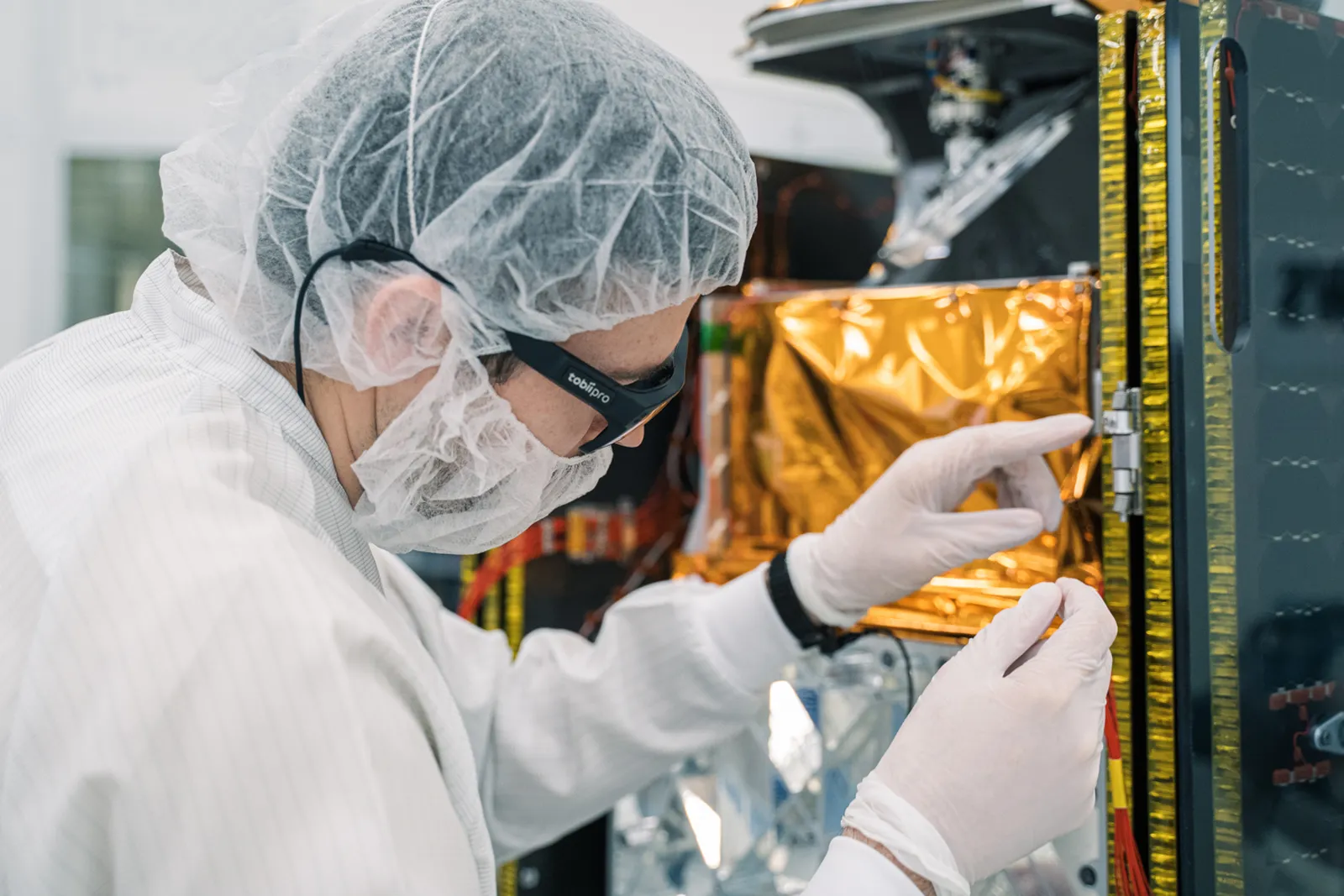
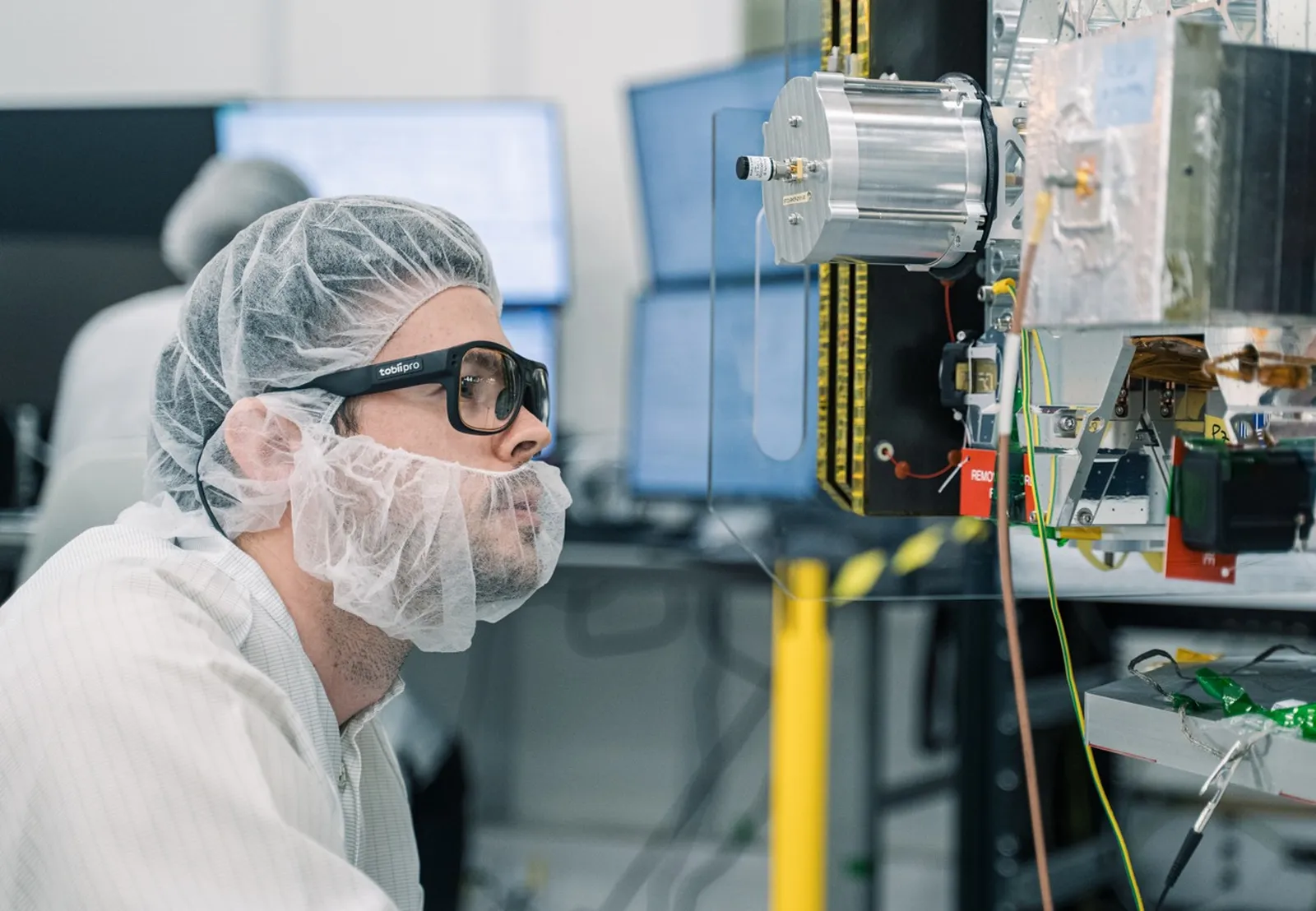
Pro Glasses 3 were made for research where behavior really happens — on the street, in the factory, on the field. That is also where the glasses are most exposed. Tobii lists applications for the protective lenses such as assembly, equipment inspections, and operation and maintenance.
tinted
Transport and traffic
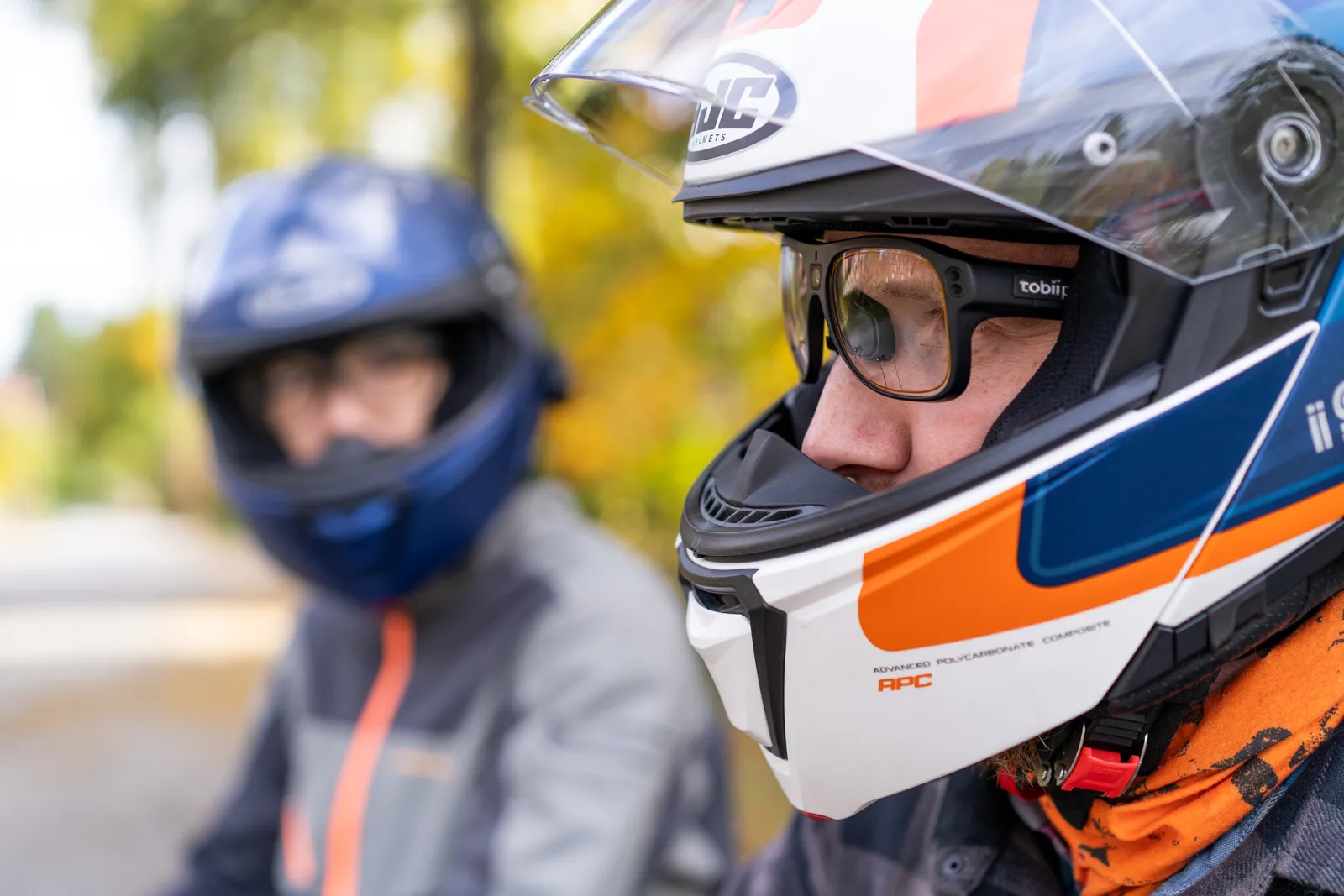
Drivers, motorcyclists, cyclists — changing daylight and the sun low on the horizon.
depending on light
Sports and fast movement
Dynamic movements and objects close to the face. Under spotlights or outdoors — tinted; in an indoor hall — clear.
clear
Assembly and on-the-job training
Recording the work of experienced employees to train new ones — among tools, dust and parts within arm's reach.
clear
Equipment inspection and servicing
Quality control, technical rounds and maintenance — the glasses work close to machines for a whole shift.
Photos: Tobii — Pro Glasses 3 in typical study conditions (without protective lenses). Version selection: our recommendation based on the manufacturer's description.
Compatibility
Which devices they work with
The protective lenses are designed for one model of glasses. Check before you order.
✓ compatible
Tobii Pro Glasses 3
The protective lenses are intended exclusively for this model and fit closely to its front. They are not part of the standard glasses kit — it is an accessory purchased separately.
A participant with a refractive error can wear corrective lenses and a protective lens at the same time — clear or tinted. Tobii designs both accessories to be used together.
A protective lens is a small accessory, but not having one can stop a field study. As an authorized Tobii partner, we match the equipment to the conditions you will be recording in — before your team heads out into the field.
Advice before purchaseTell us where and with whom you record — we'll advise whether you need protective lenses, corrective lenses and what spares to keep for the study season.
02
Everything in one quotePro Glasses 3, software and accessories from one supplier — also as an addition to a kit you already have.
03
Demo and field trainingWe'll show you the glasses before you buy, and after implementation we'll train your team in recording outside the lab.
04
Local support in PolandTechnical and methodological support after purchase, without intermediaries.
authorized Tobii partnerTobii + BIOPAC labdescriptions for grants and tendersreferences in Poland
Specifications
Specifications
According to Tobii's product page and the Tobii Pro Glasses 3 user manual. The manufacturer does not publish the dimensions or weight of the protective lenses themselves.
Specifications of the protective lenses for Tobii Pro Glasses 3
Parameter
Value
Manufacturer
Tobii (name: Protective Lenses for Tobii Pro Glasses 3)
Compatibility
Tobii Pro Glasses 3not compatible with Tobii Glasses X — for those, Tobii offers a sunglass clip-on
Kit contents
2 protective lenses: clear and tinted
Material
polycarbonate — impact and scratch resistant, lightweight
Tinted version
blocks infrared light; for outdoor use and bright light
Clear version
protects the glasses in environments where equipment durability is key
Protects against
glare, dust, scratches and accidental damage
Mounting
on the accessory attachment point of the glasses' head unit
Use with other accessories
both versions can be worn together with Tobii corrective lenses
Included with the glasses
no — optional accessory, ordered separately
Documentation
Protective Lenses Product Description (PDF) · Field Guide in Tobii Connect
Source: tobii.com (Protective Lenses for Tobii Pro Glasses 3) and Tobii Pro Glasses 3 User Manual, as of 2026-10.
Frequently asked questions
Are protective lenses included with Tobii Pro Glasses 3?
No. The standard glasses kit does not include them — the protective lenses are an optional accessory. You can order them together with the glasses or add them later to a kit you already have.
Which version should I choose?
You don't have to choose — the kit includes both protective lenses. Use the tinted one outdoors and in strong light, and the clear one wherever the glasses are exposed to dust, impacts and scratches and tinting is not needed.
Does a protective lens reduce data quality?
Tobii designs the protective lenses so that they do not limit measurement indoors or outdoors and, thanks to their fit to the glasses, reduce the influence of external factors such as sunlight. The Pro Glasses 3 user manual warns that direct sunlight and infrared sources can interfere with the sensors — in such conditions the manufacturer recommends the tinted, infrared-blocking protective lens.
Can I use a protective lens together with corrective lenses?
Yes. Both versions of the protective lenses can be worn together with snap-on Tobii corrective lenses — so you can also study participants with refractive errors.
Do they fit Tobii Glasses X or older Tobii glasses?
The manufacturer states compatibility with Tobii Pro Glasses 3 only. For Tobii Glasses X, Tobii offers a separate sunglass clip-on. If you have an older model, get in touch — we'll check which accessories are available.
Are the protective lenses certified safety glasses?
Tobii describes the material — polycarbonate used in safety glasses — but does not specify an eye protection standard. If your facility's rules require certified personal protective equipment, ask us — we'll clarify it with the manufacturer before your study.
Download materials
click to expand
Interested in this product?
Contact us for a detailed quote and technical advice.