Packaging and the store shelf
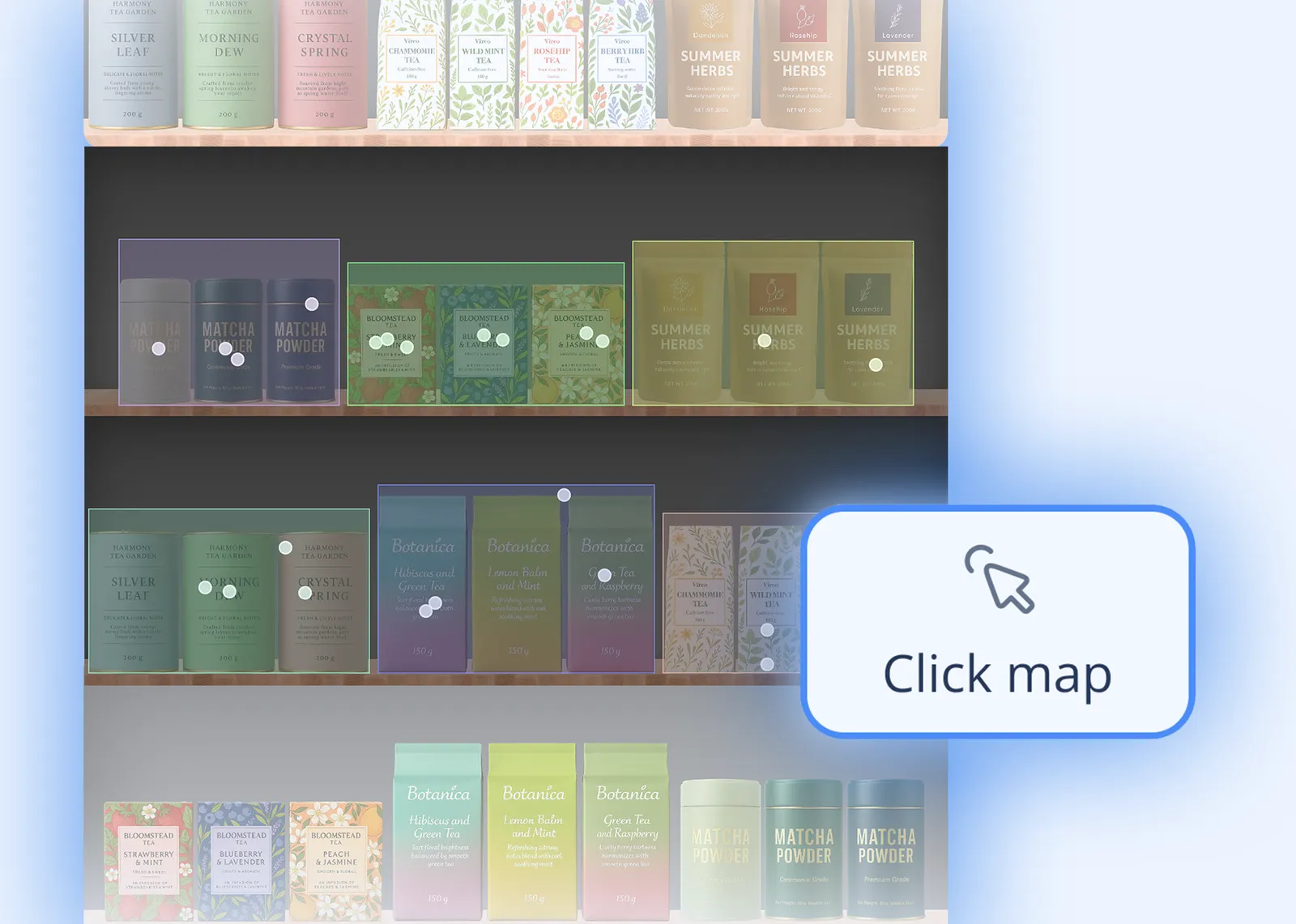
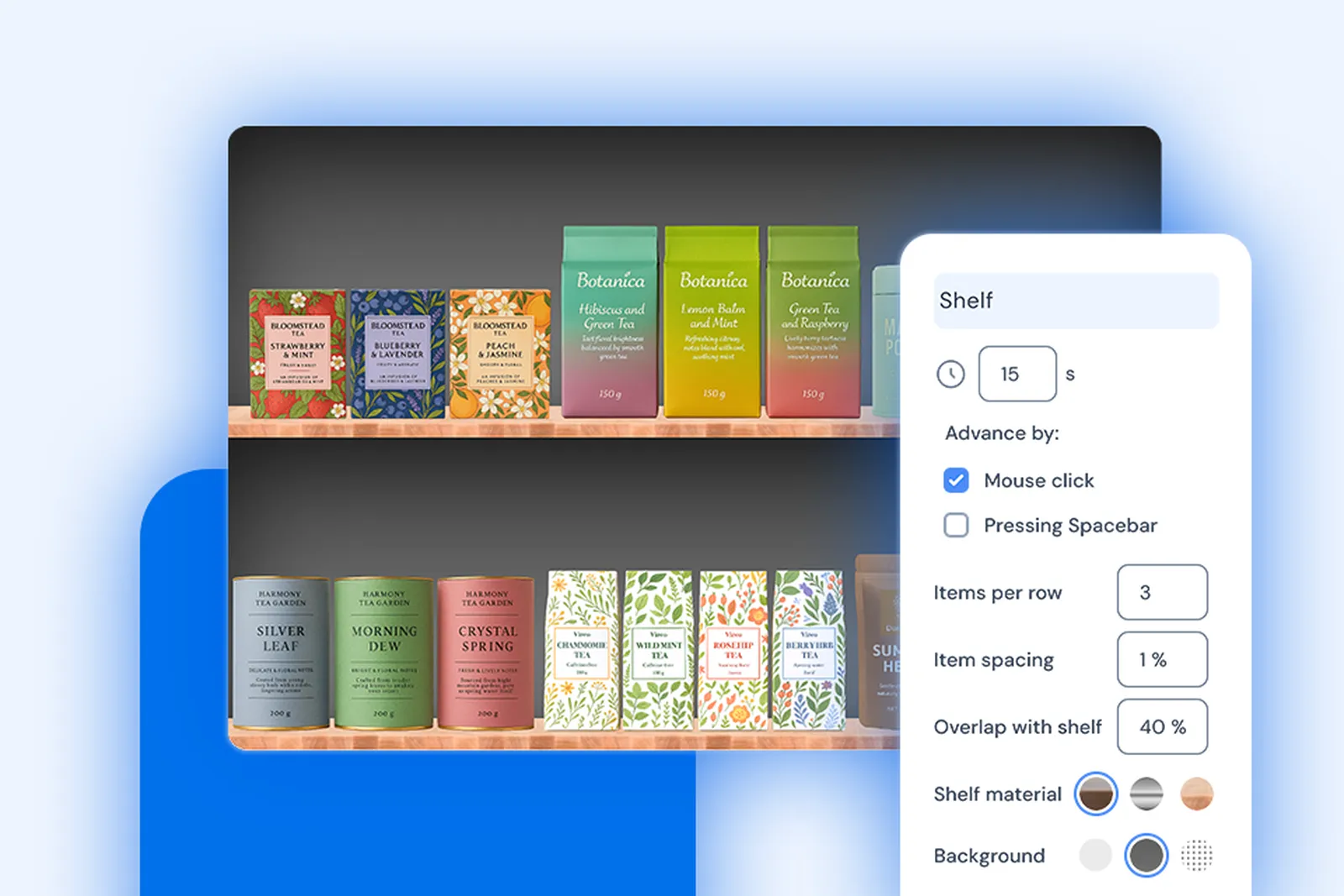
Does your package stand out among competitors? A virtual shelf with randomized product positions, an attention map and an “I choose this product” click.

A browser-based platform for testing ads, packaging, websites and videos with real audiences. Participants take part from home, on their own computer or phone, while their webcam records where they look. You get attention maps and metrics for every element of your design.
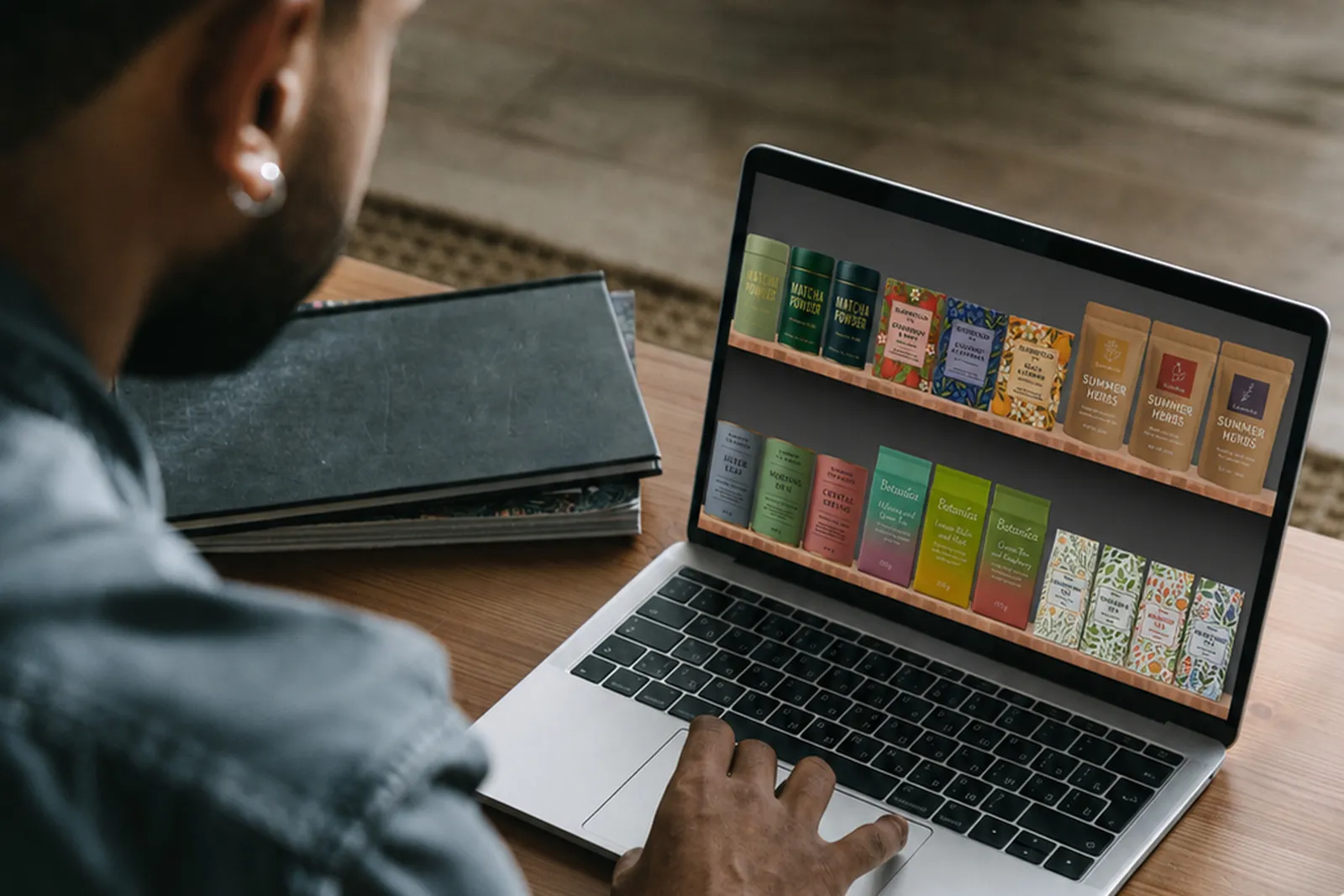
Eye tracking measures where a person is looking. It usually requires a dedicated device and a visit to a lab. In Sticky, that role is played by an ordinary webcam in the participant’s laptop or phone: a Tobii algorithm reads the position of the eyes from the image of the face and estimates which point on the screen the person is looking at.

This is what a study looks like from the participant’s side — from the invitation to the last question.
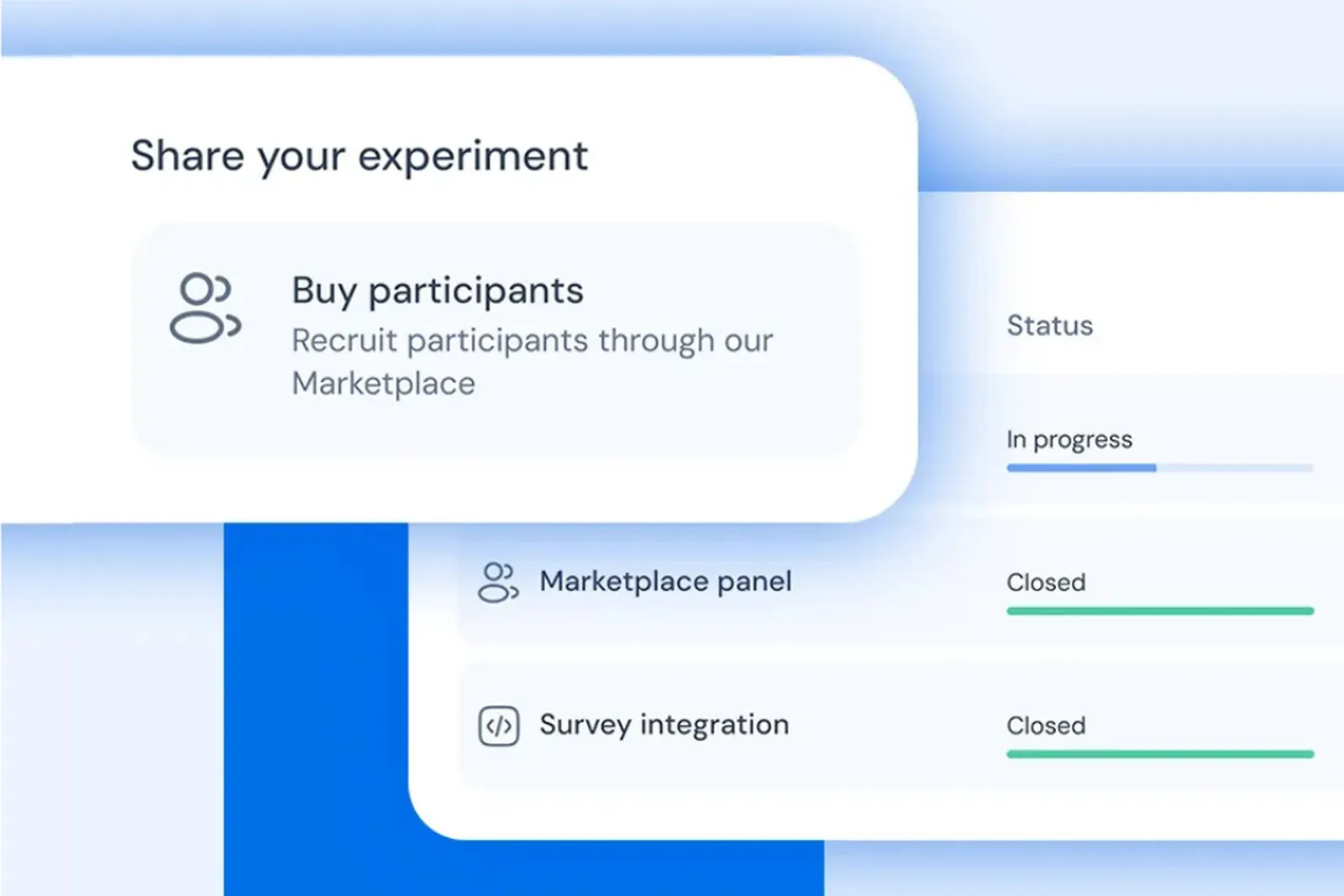
You design, launch and analyze the study in the browser. Sticky handles every stage — including participant recruitment.

A ready-made template or your own study layout — with your materials.
You share the study with a single link — it runs in the participant’s browser.
Data from all sessions goes into one dashboard in the browser.
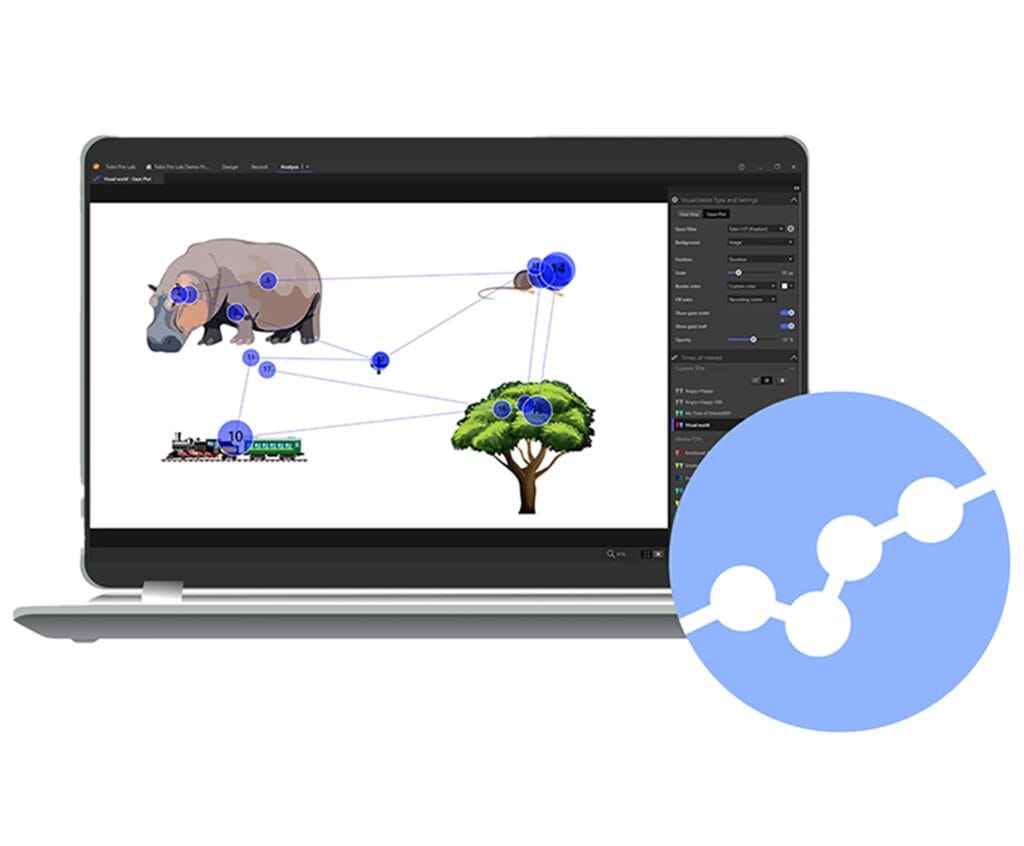
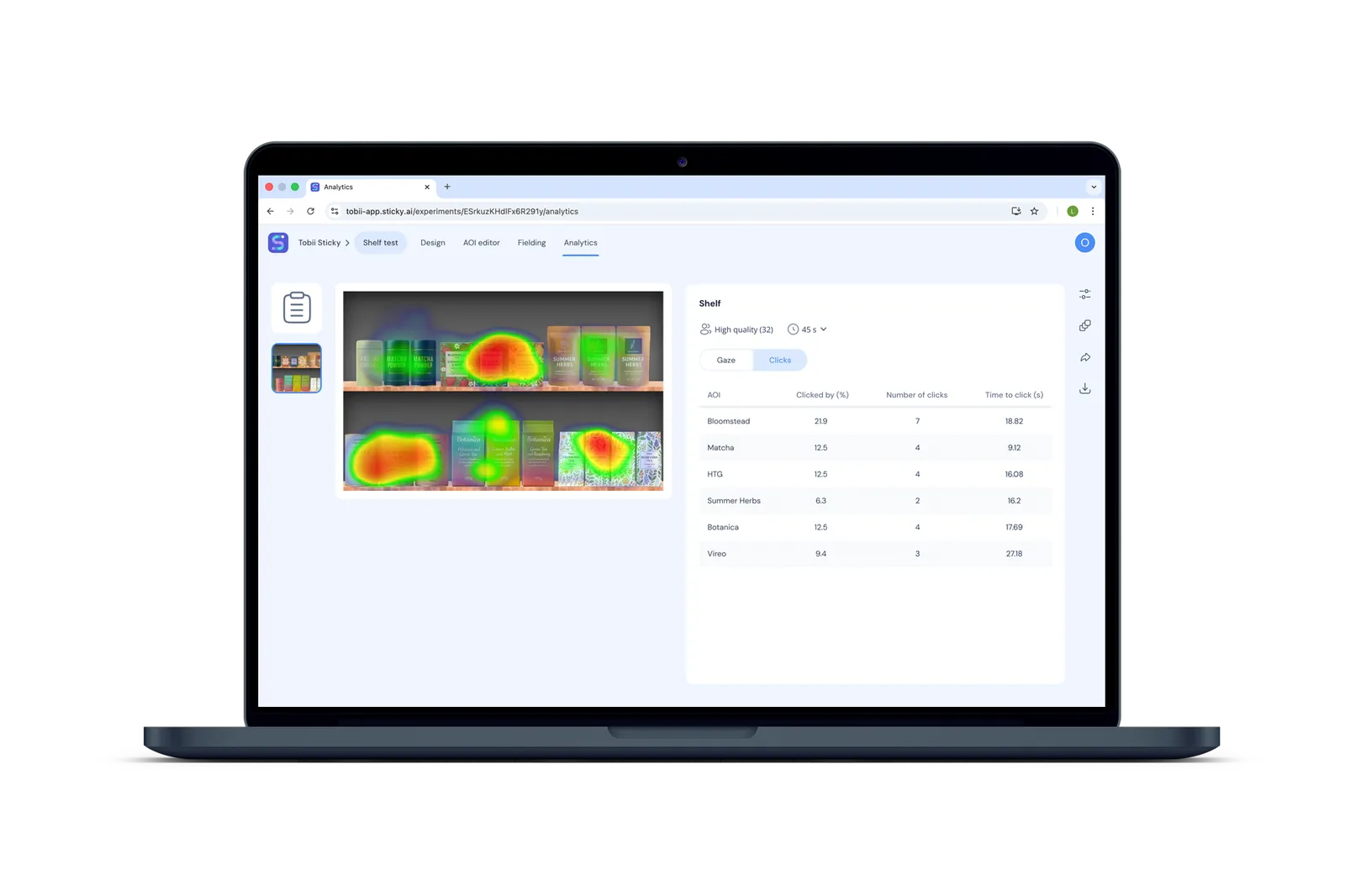
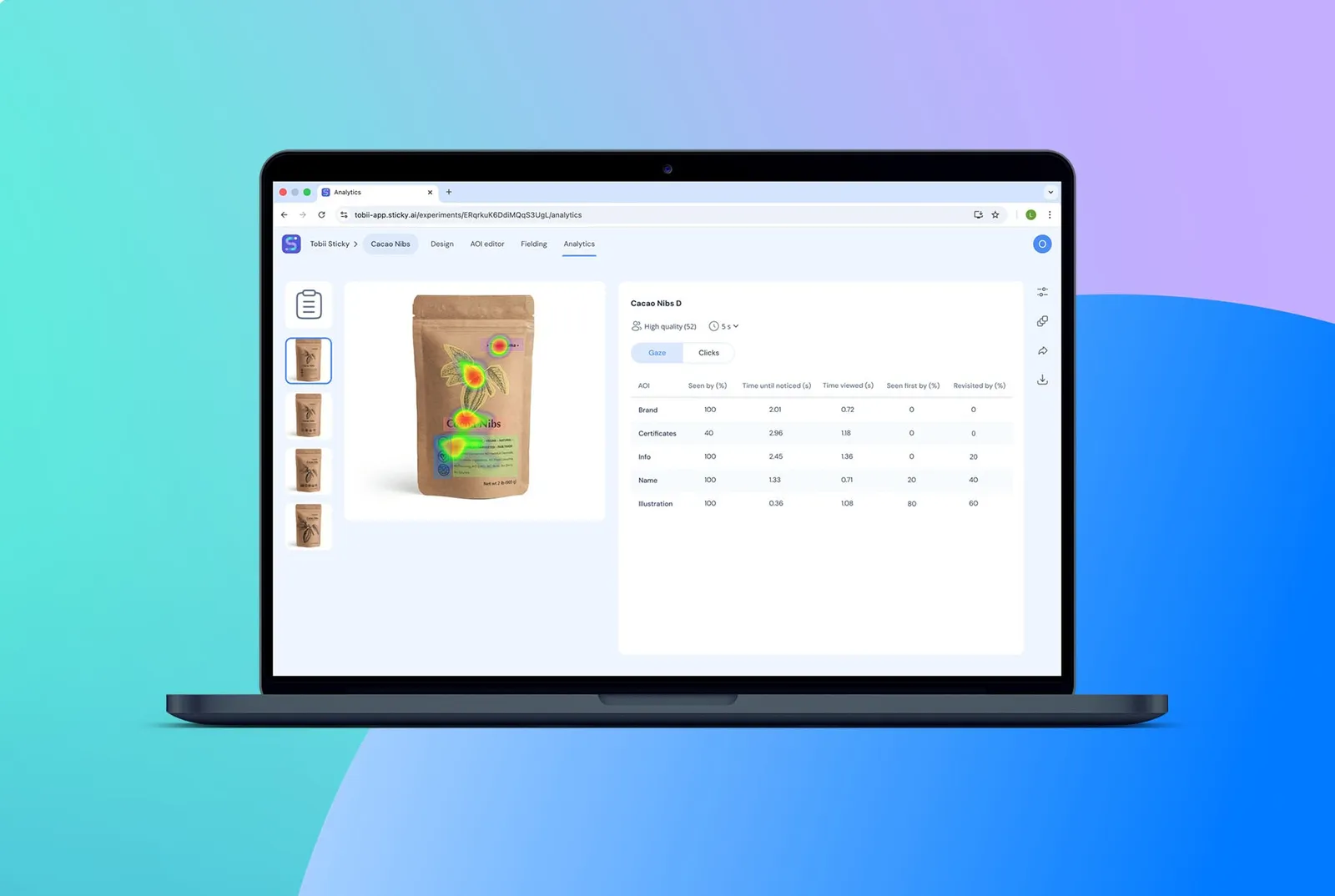
The results dashboard shows the whole group’s attention on your material and calculates metrics for selected areas — e.g. a logo, a price or a button. The screenshots below are sample results from the platform.
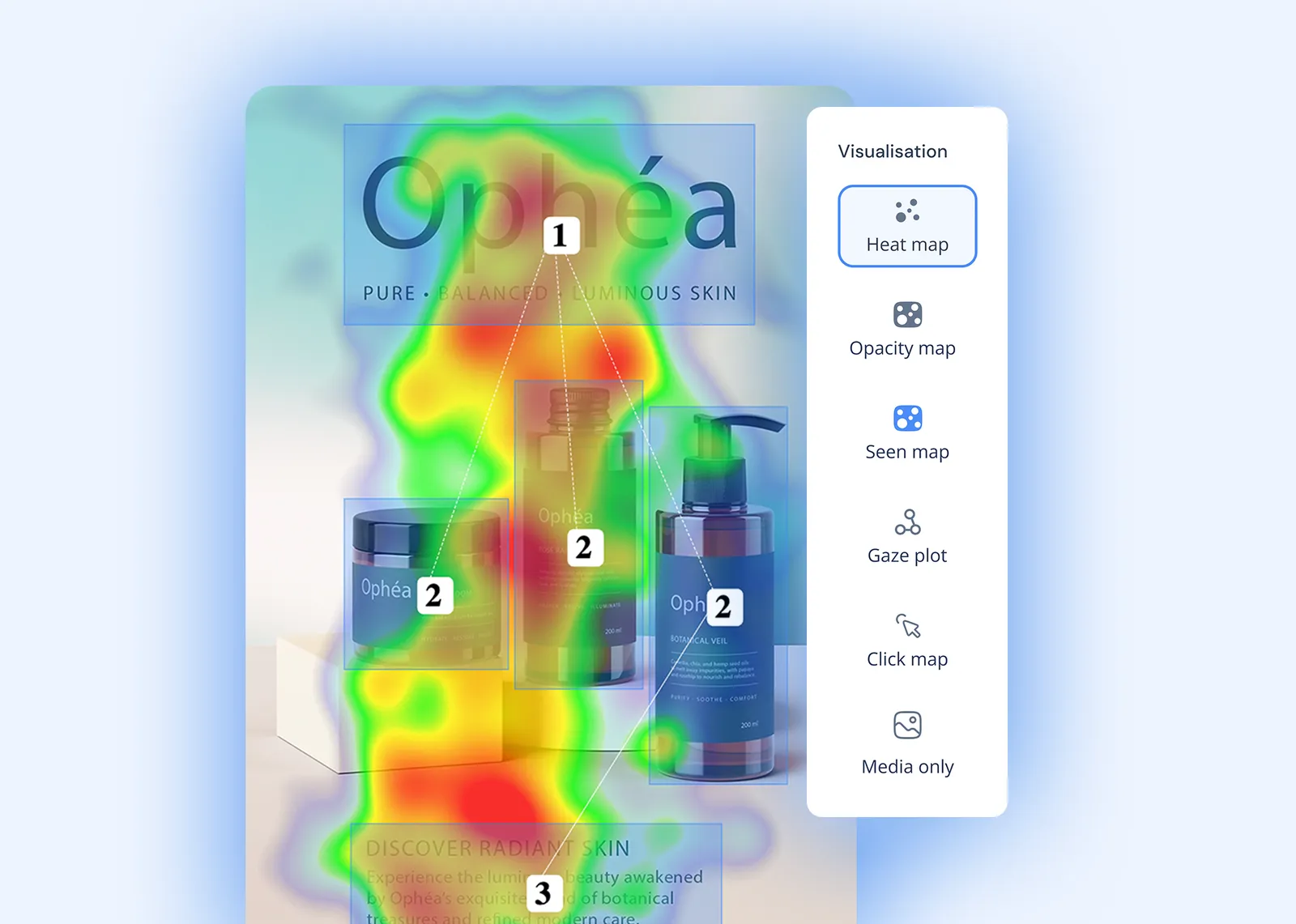
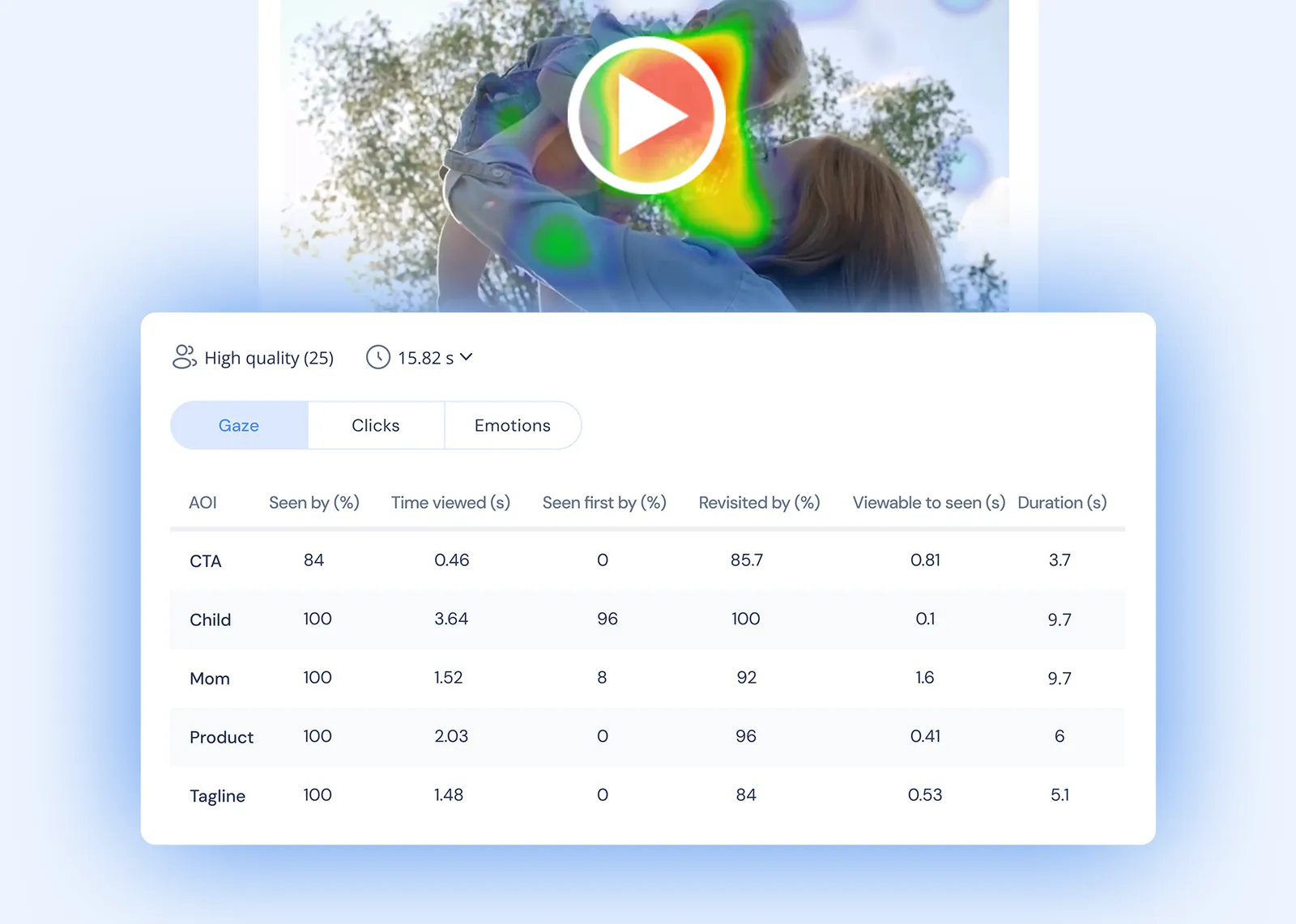
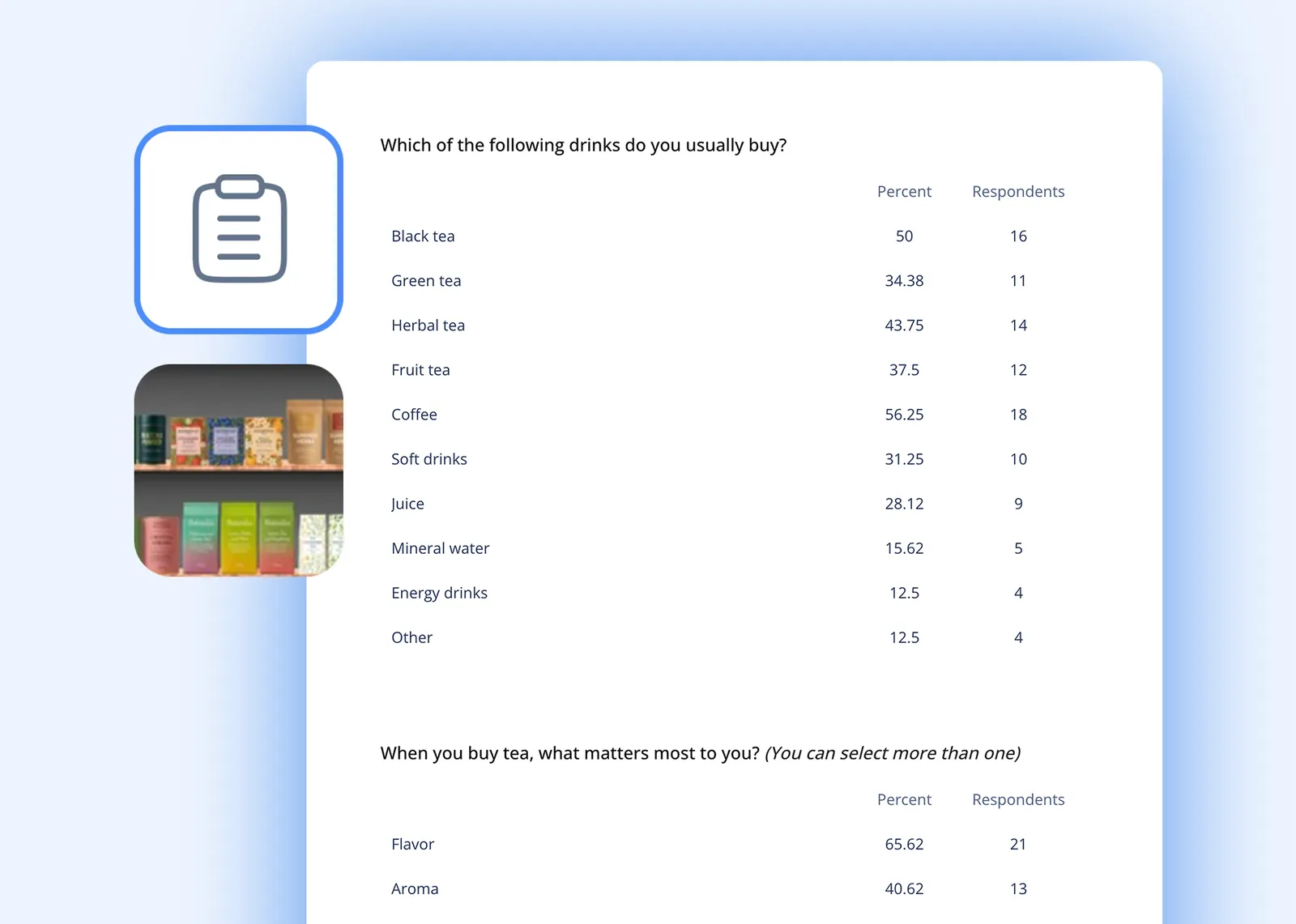
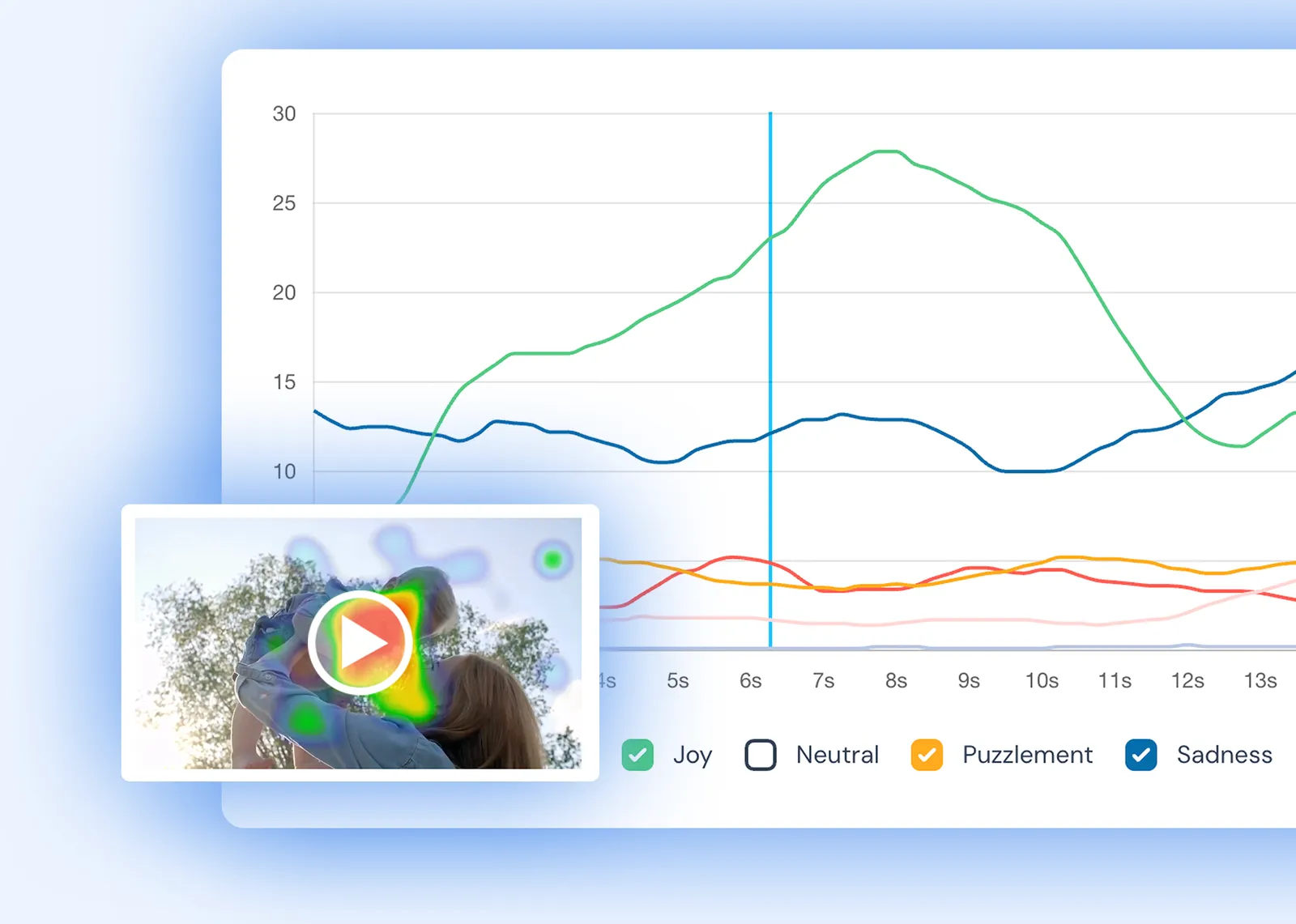
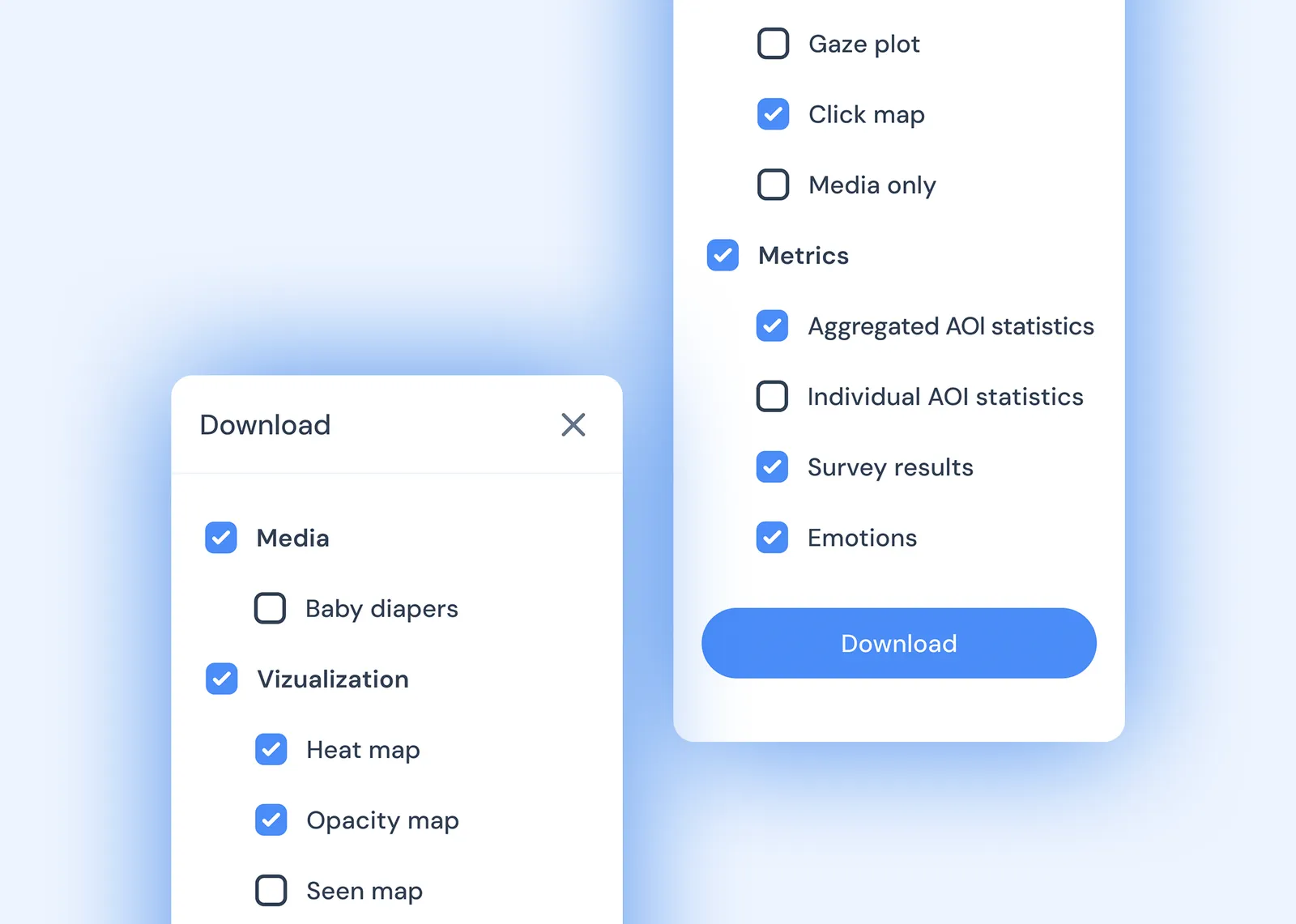
The same result in several views — you choose the one that best answers your research question.
An area of interest is a selected part of the material, e.g. a logo or a price. For each one, Sticky calculates:
The click map shows which element participants chose — e.g. a product on the shelf or a button on a website. Comparing clicks with gaze shows whether an element was noticed but ignored — and where best to place a call to action.
Answers to questions appear alongside the attention data: you know not only what people saw, but also what they remembered and what they would choose in a store. You build the questions in Sticky or connect the study to an external survey platform.
With the participant’s consent, the webcam also records facial expressions. The analysis shows which of six reactions occurred, at which moment of the video and how strongly — next to the attention map for the same frame.
You download selected visualizations, aggregate and individual area statistics, and survey and emotion results. You can also share the result with a client as a snapshot via a link — no Sticky account required — or import the study into Tobii Pro Lab.
A rule of thumb from Tobii’s documentation: an element meant to catch the eye — a logo, a price, a call to action — should be noticed within 3 seconds.
Online attention research is also offered by subscription-based multimodal platforms. What sets Sticky apart is that recruitment, measurement and analysis come from an eye tracker manufacturer — and when an online study is not enough, you take the same Tobii ecosystem into the lab.
| Feature | Sticky by Tobii with Interlab | Competing subscription platform |
|---|---|---|
| Participant recruitment | a global research panel within the platform; plus your own participants via a link | no panel of its own — participants are supplied by external providers |
| Who is behind the gaze measurement | Tobii — a manufacturer of research eye trackers, with more than 20 years of technology development | a hardware-agnostic platform integrating devices from other manufacturers |
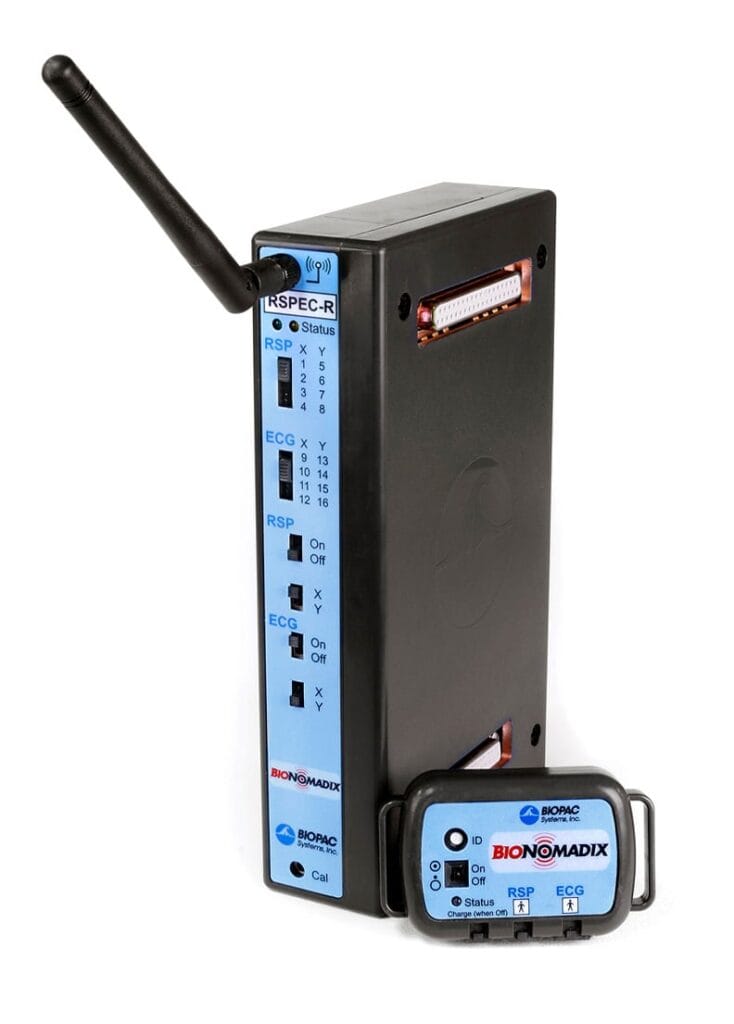
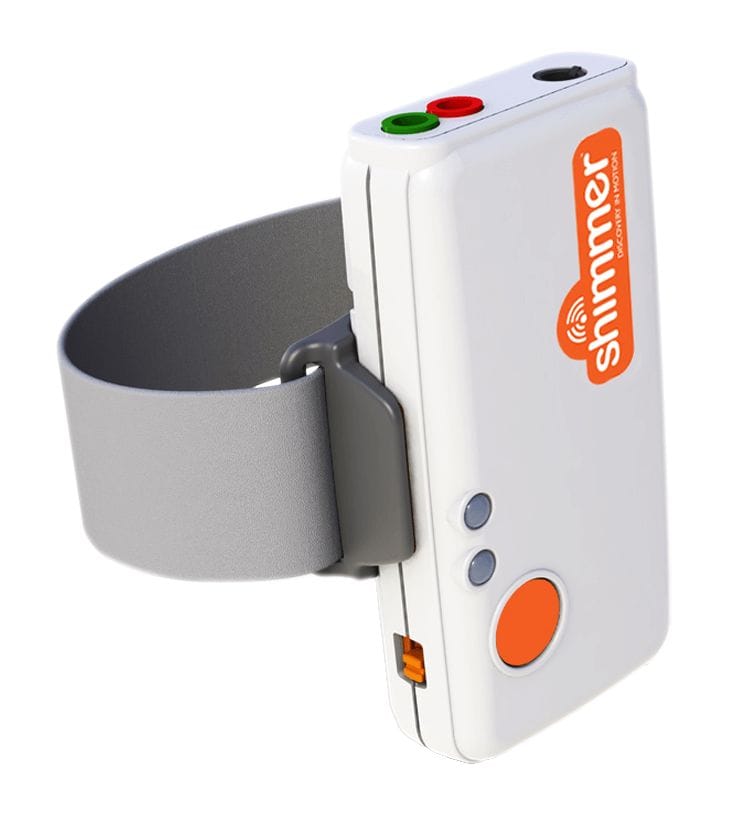
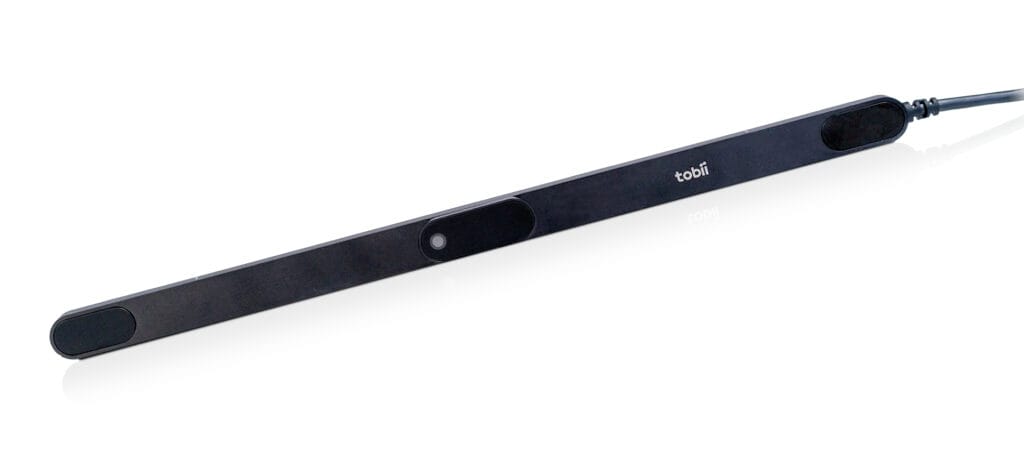
| Path to the lab | study import into Tobii Pro Lab; Tobii eye trackers and BIOPAC physiology from a single supplier — Interlab | lab hardware from the platform’s partners |
Data according to the manufacturers’ websites, as of 2026-10.
An online study is easy to launch, but also easy to design badly: areas too small, a sample too small. We help before you start and stay with your team after the purchase.
A webcam has neither the infrared illumination nor the fast sensor of an eye tracker, so a single gaze measurement is approximate. A reliable result only comes from the sum of many sessions — and sufficiently large areas. See how a picture of attention emerges from successive participants.
40 sessions: the minimum recommended by Tobii. Areas of attention are already clear and stable.
An illustrative simulation in the browser — not data from a study. The spread of points matches the error reported by Tobii (6% of the screen on average).
Source: Tobii, white paper “Tobii Sticky webcam eye tracking accuracy” (2026). Study on participants’ computers in six countries; 63% of sessions met the quality criteria — plan recruitment with a margin.
Sticky answers the question of what a group of viewers notices. When you study reading, small interface elements, fixations and saccades, or the pupil response, you need a screen-based eye tracker.
Pre-launch research: an ad, a package, a website or a video tested on an audience before it reaches people.
Does your package stand out among competitors? A virtual shelf with randomized product positions, an attention map and an “I choose this product” click.
A banner, a product image or a commercial — on its own or against a realistic web page, where it competes with content for attention.
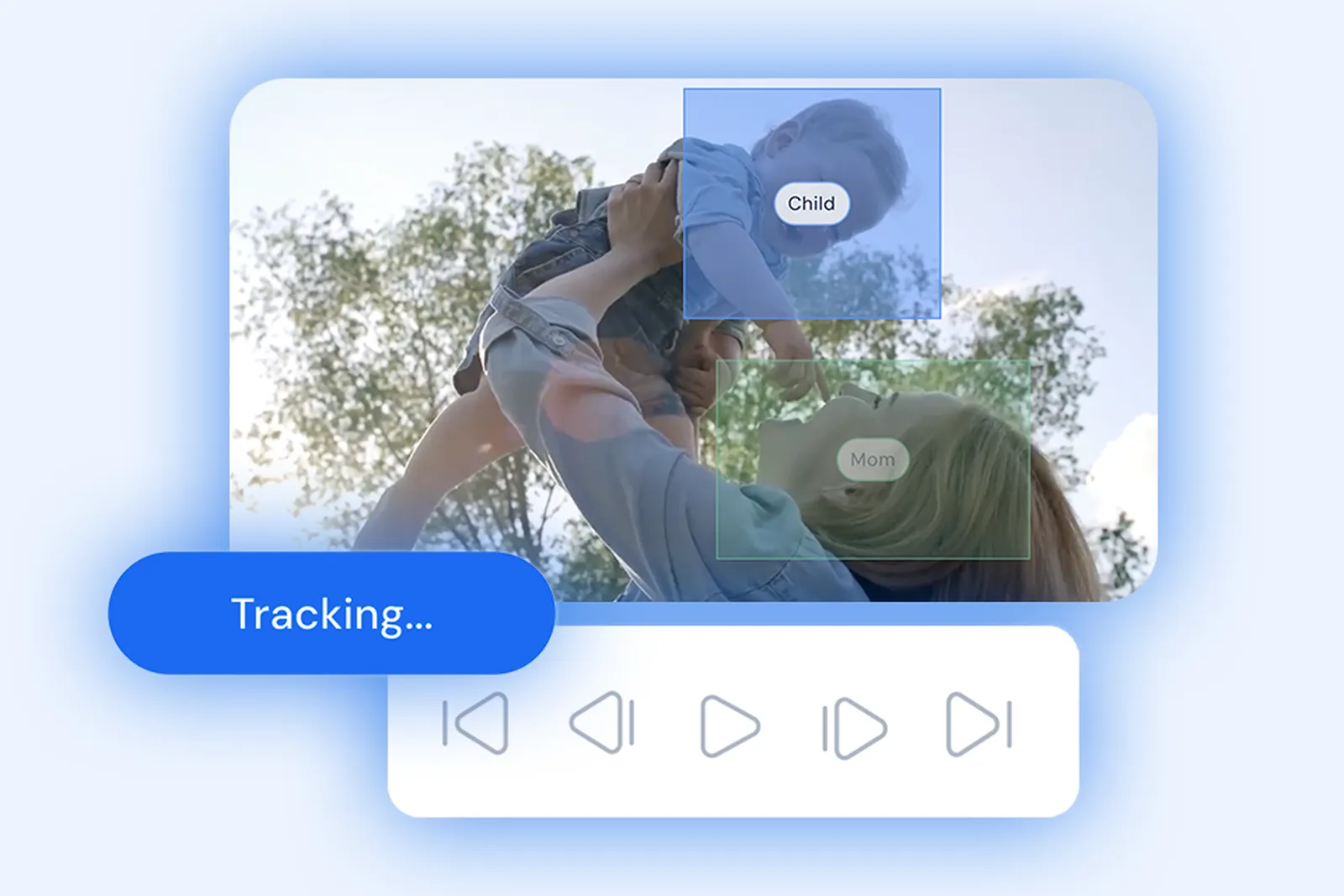
Attention over the course of a video; areas follow moving objects automatically. Key moments are visible on the timeline.
Missed calls to action, navigation problems, places where users get lost — on computers and phones.

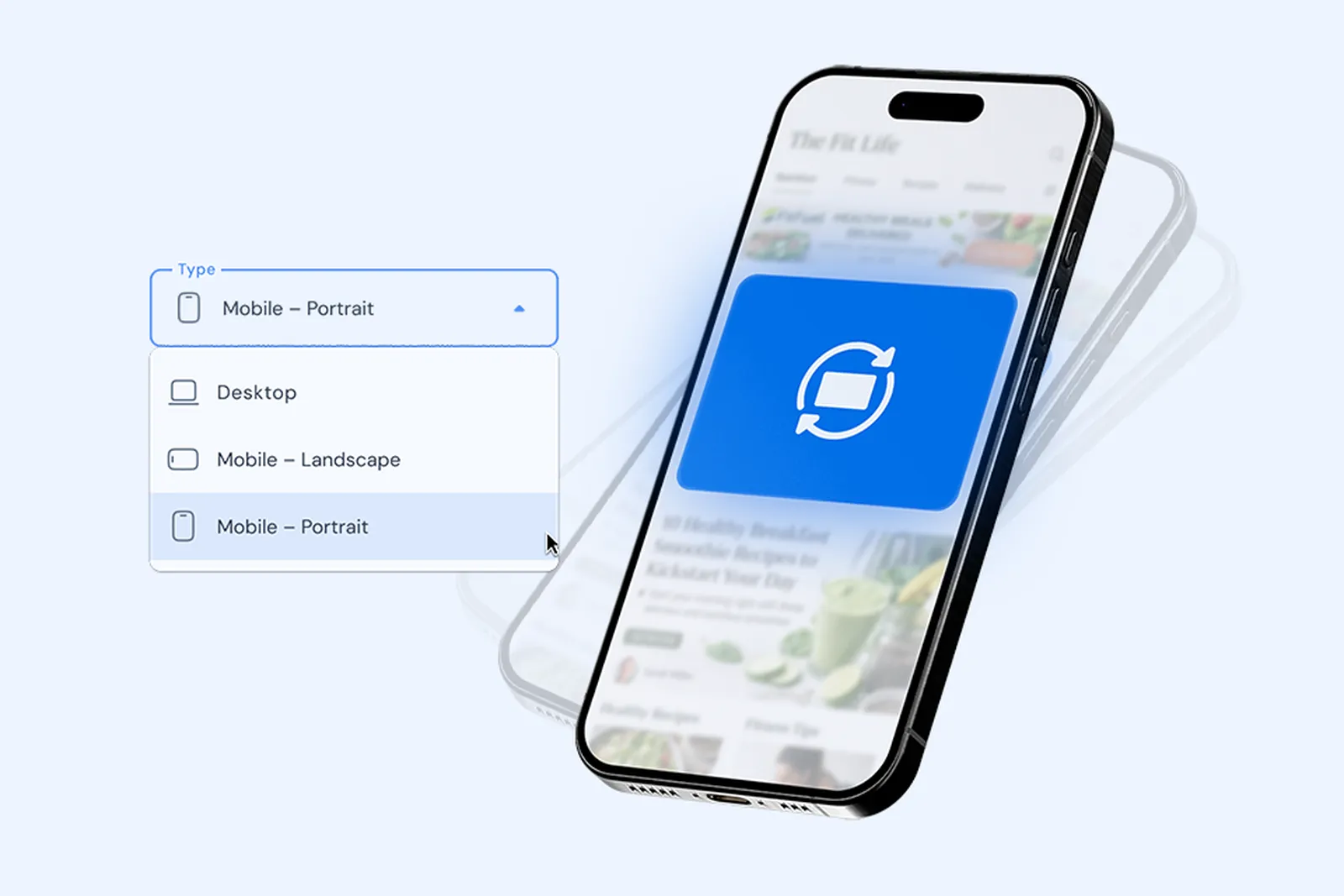
Research where audiences actually watch ads — on their own phone, in portrait or landscape.
All three use a webcam, but they serve different kinds of research. Sticky is a standalone online platform. You can transfer data from Sticky to Tobii Pro Lab. Tobii Webcam Eye Tracking is a webcam used as an eye tracker in a study run in Pro Lab.
The whole study in the browser: design, recruitment, data collection and results.
For whom: marketing, consumer and UX research on large samples.
You design and record the study in Sticky, then import the data into Pro Lab for further analysis and visualization.
Note: Tobii is still developing this project type and recommends a pilot study.
A webcam acting as an eye tracker in Tobii Pro Lab — you design, record and analyze the study in Pro Lab, e.g. at a workstation in your lab.
According to tobii.com (Tobii Pro Lab: editions and requirements) and connect.tobii.com (“Get started with distributed online studies in Pro Lab”), as of 2026-10.
Webcam-based research means recording faces. That is why it is worth knowing what happens to the data — especially when applying to an ethics committee.
Source: Tobii, white paper “Sticky by Tobii — Data protection and privacy” and the product page, as of 2026-10.
According to the manufacturer’s documentation. We give accuracy the way Tobii measures it — as a percentage of the screen, in participants’ home conditions.
| Parameter | Value |
|---|---|
| Platform | |
| Type | web-based platform for webcam eye tracking research; accessed through a browser |
| Participant devices | computers and phones with a camera |
| Participant browsers | Chrome, Edge, Safari, Firefox — current and previous version |
| Instruction languages | 37 |
| Design and recruitment | |
| Materials | product images, banners, ads and videos, websites, packaging, product shelves |
| Tools | study templates, embedding in a realistic layout, virtual shelf with position randomization, object tracking in videos, surveys and screening questions |
| External surveys | integration with Alchemer and Qualtrics, among others |
| Participants | a global research panel or your own participants via a link |
| Ways of working | self-service in the platform, integration via API, a study run entirely by Tobii experts |
| Measurement | |
| Data source | the participant’s webcam; additionally mouse clicks and — with consent — facial expressions |
| Frequency | approx. 15 Hz on average (front-facing cameras) |
| Accuracy | average error 6% of the screen (4% horizontally, 7% vertically)home conditions, participants’ computers; Tobii white paper, 2026 |
| Gaze data | raw gaze points with a median filter, no fixation filter |
| Manufacturer recommendations | at least 40 sessions; area of interest at least 20% of the screen width |
| Results | |
| Visualizations | heat map, opacity map, “seen” map, gaze paths, click map, viewing order |
| AOI metrics | seen (%), time to notice, viewing time, seen first (%), revisits (%); in videos also the time from appearance to being noticed |
| Other | click map, survey answers, analysis of six emotional reactions |
| Sharing and export | results snapshot via a link; export of visualizations and data in multiple formats; import into Tobii Pro Lab (Distributed Online Edition) |
| Data and license | |
| Data protection | GDPR; ISO/IEC 27001; recordings up to 90 days; AWS data centers (US East Coast) |
| License | flexible plans — from single tests to enterprise research; individual pricing |
Source: tobii.com (Tobii Sticky product page) and connect.tobii.com (white papers, Analytics), as of 2026-10.
No. The study runs in the browser — the current or previous version of Chrome, Edge, Safari or Firefox — on a computer or phone with a camera. The participant opens the link, gives consent and follows the instructions.
Tobii recommends at least 40 sessions. In the manufacturer’s validation study, conducted in participants’ homes, 63% of sessions met the quality criteria — so it is worth planning recruitment with a margin. We will help you estimate the sample for your project.
Yes — you can invite your own participants via a link, and the platform also has a global research panel. We will confirm the availability and cost of a panel sample for a Polish target group in our quote.
Sticky measures the attention of large groups in natural conditions: the average error is 6% of the screen, and the webcam delivers approx. 15 measurements per second. A screen-based eye tracker measures hundreds of times per second with an accuracy of fractions of a degree — it is needed for reading, small elements, and analysis of fixations, saccades and the pupil. The two approaches often complement each other.
Tobii offers flexible plans — from single tests to large-scale research — as well as API integration and studies run entirely by Tobii experts. Pricing is individual; describe your study and we will prepare a quote.
Yes, in the Distributed Online Edition: you design and record the study in Sticky, then import the data into Pro Lab. Areas from Sticky and answers to questions carry over to Pro Lab; clicks, keyboard input and emotions stay in Sticky. Tobii recommends a pilot study before the main one.