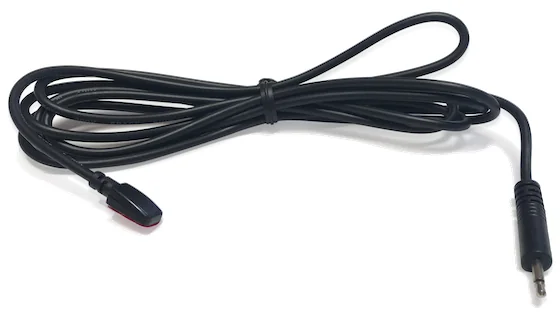
| Light sensor |
|---|
| Response time (dark → light) | 0.05 msresponse and recovery times depend on the amount of light |
|---|
| Recovery time (light → dark) | 4 ms |
|---|
| Spectral sensitivity | 360–970 nm |
|---|
| Dimensions and cable | 8 × 20 mm; 2 m cable, 2.5 mm mono jack (extendable) |
|---|
| Latencies |
|---|
| Event registration | < 5 µs from event to registration and timestamp |
|---|
| Input → output | light sensors < 0.01 ms (excluding sensor response time); audio and voice key < 0.05 ms after the threshold is crossed; responses < 0.01 ms |
|---|
| Output to m-pod / USB | < 200 µs on the m-pod pin; < 100 µs to the USB port |
|---|
| Difference between outputs | 0 ms between m-pods; 0 ms between m-pods and the TTL output (Quad) |
|---|
| Event codes via USB | 2 ms constant, no jitter — Cedrus C++ and Python (pyxid2) libraries, SuperLab, PsychoPy±5–6 ms via serial port emulation, e.g. E-Prime |
|---|
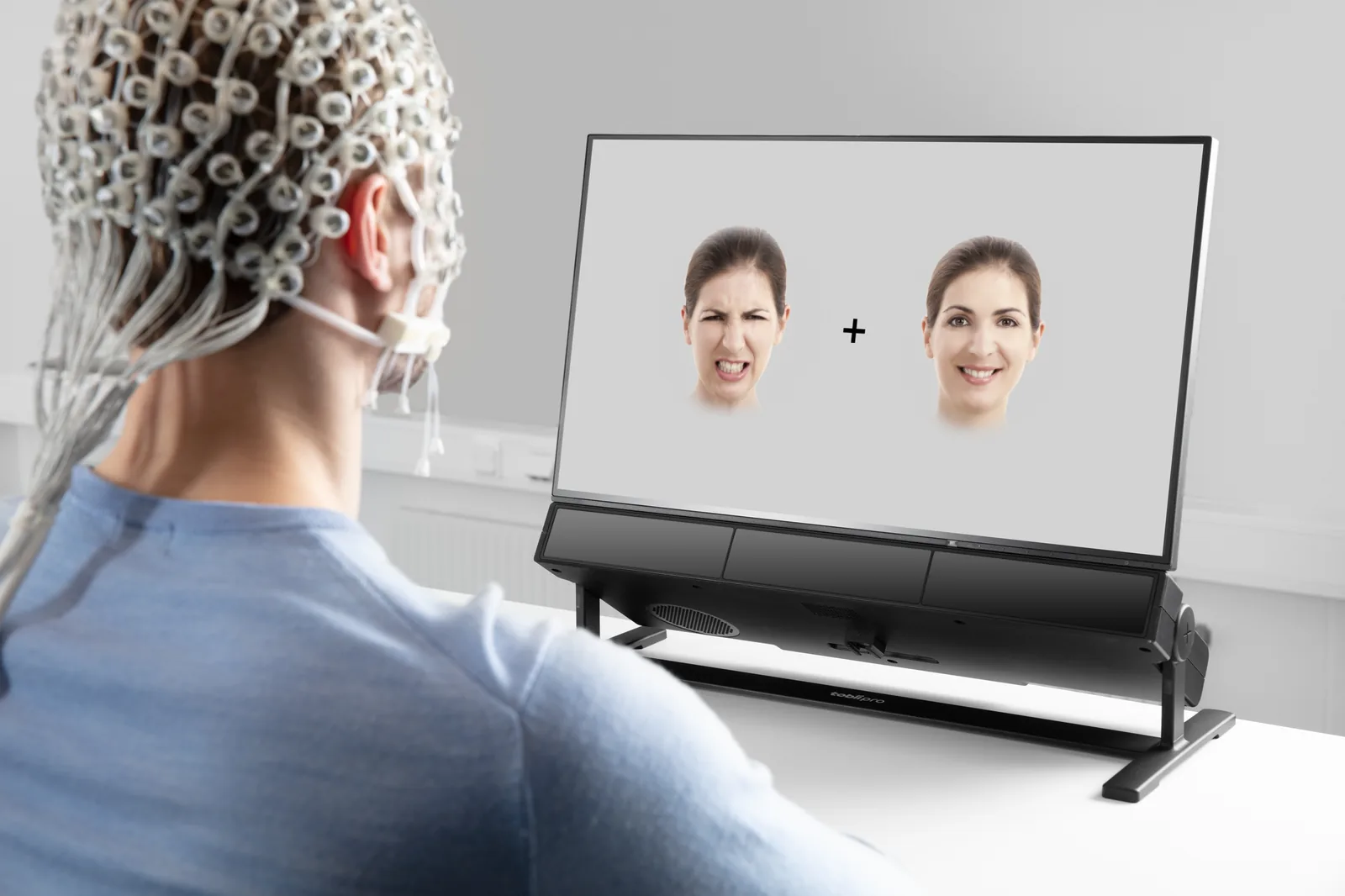
| With Tobii Pro Spectrum |
|---|
| Visual stimulus marker accuracy | below 1 ms |
|---|
| Timestamp in the eye tracker | 50 µs, regardless of the sampling rateSpectrum TTL input: 8-bit, DB-9 connector |
|---|
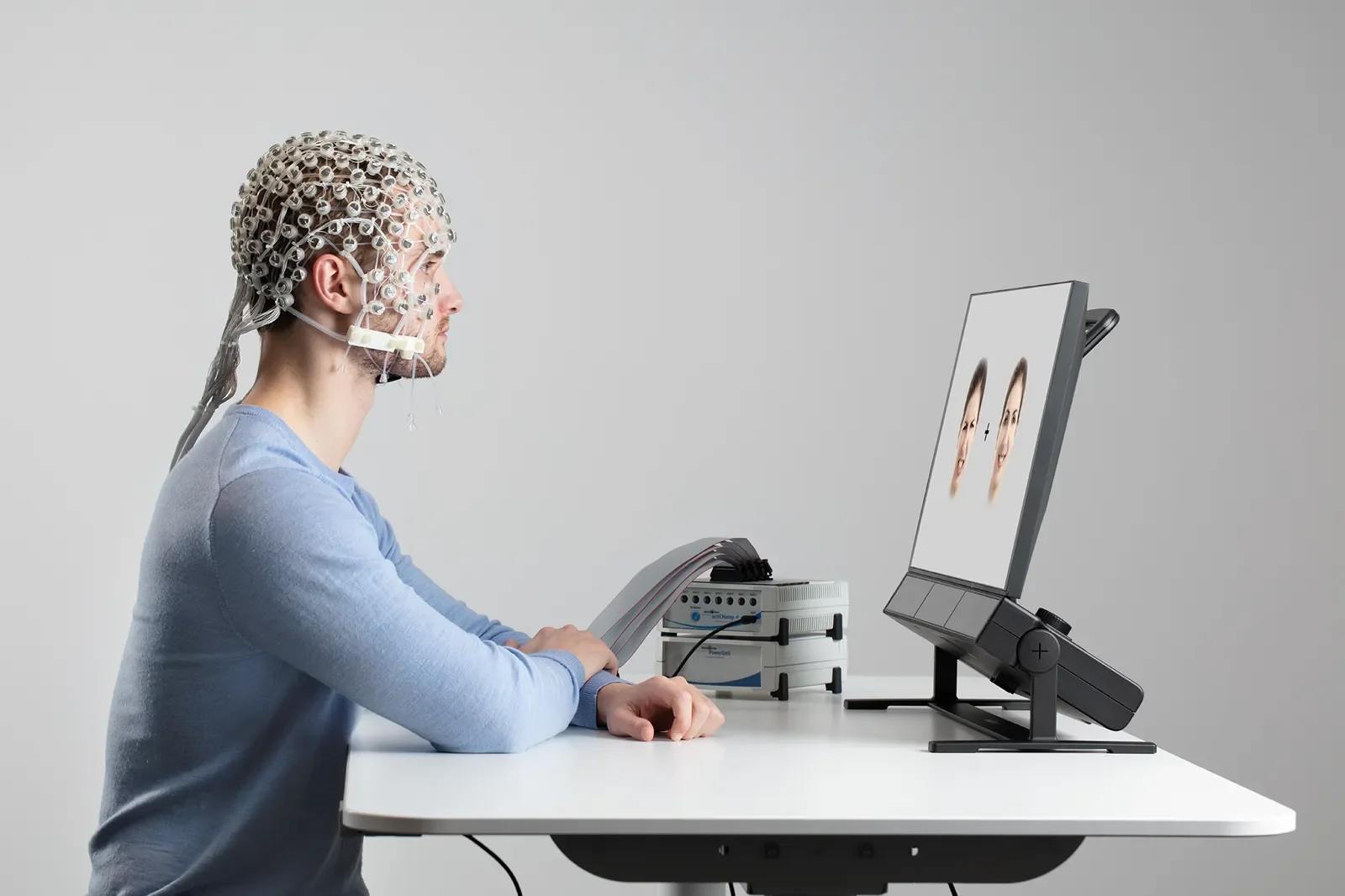
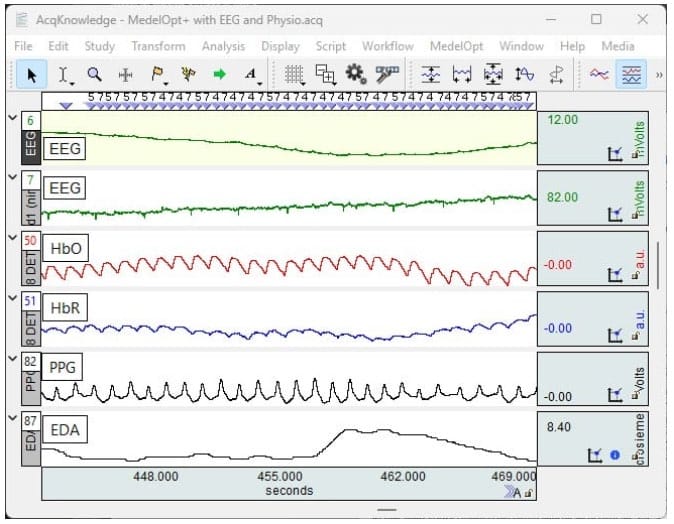
| Synchronization with EEG | approx. 1 recorder sample (1 ms at 1 kHz) |
|---|
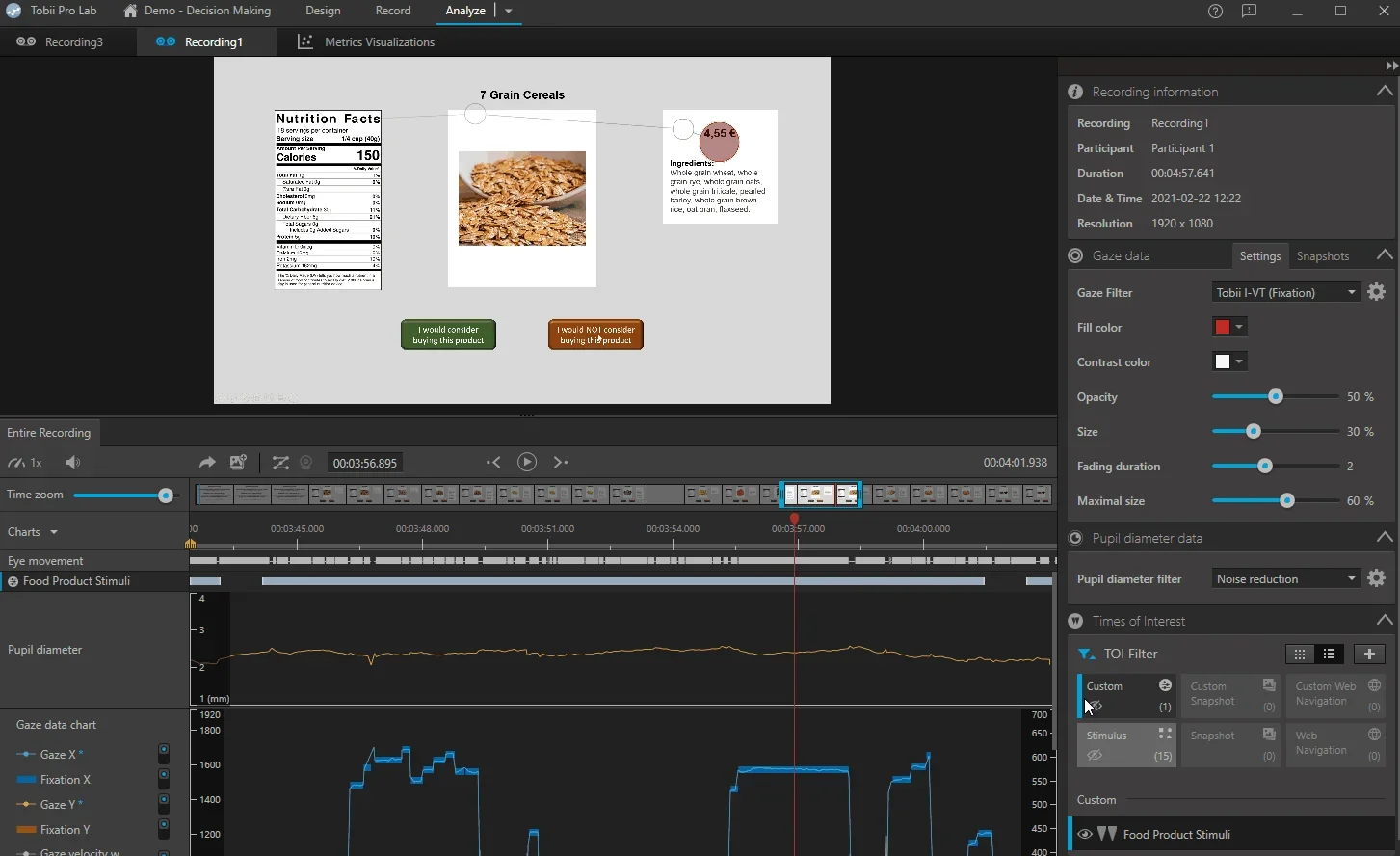
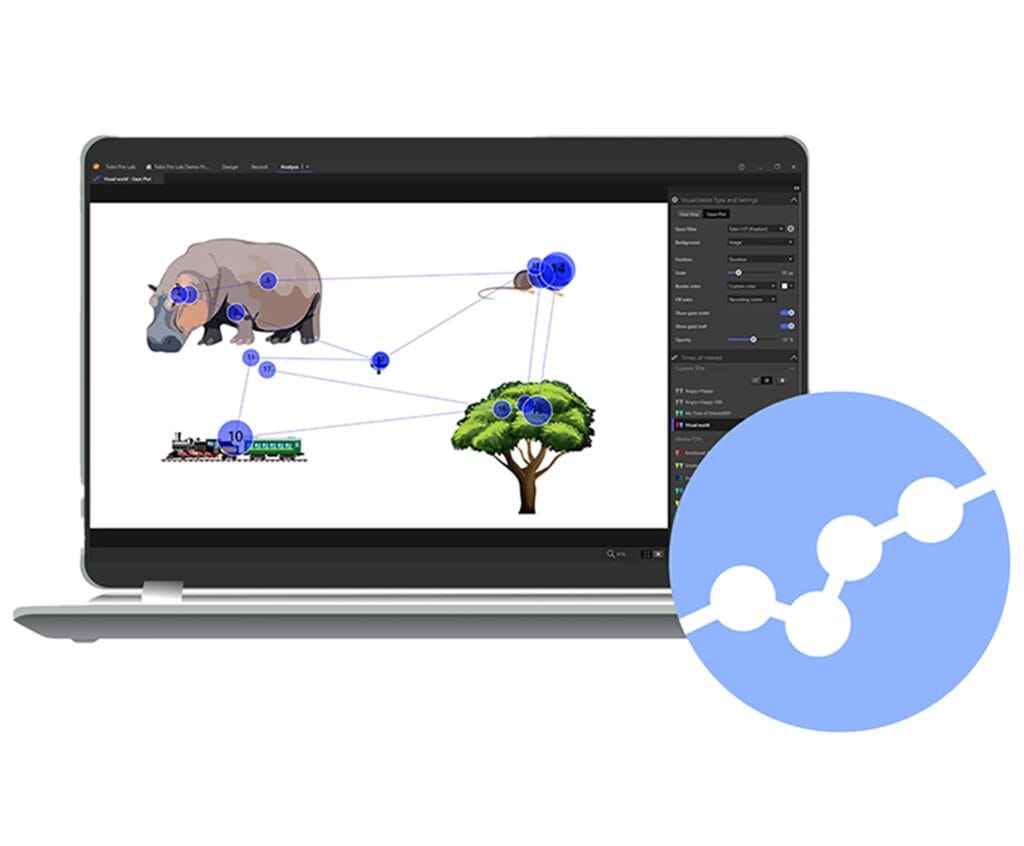
| Event in Tobii Pro Lab | EyeTracker TTL in in the recording; export to other software |
|---|
| Device |
|---|
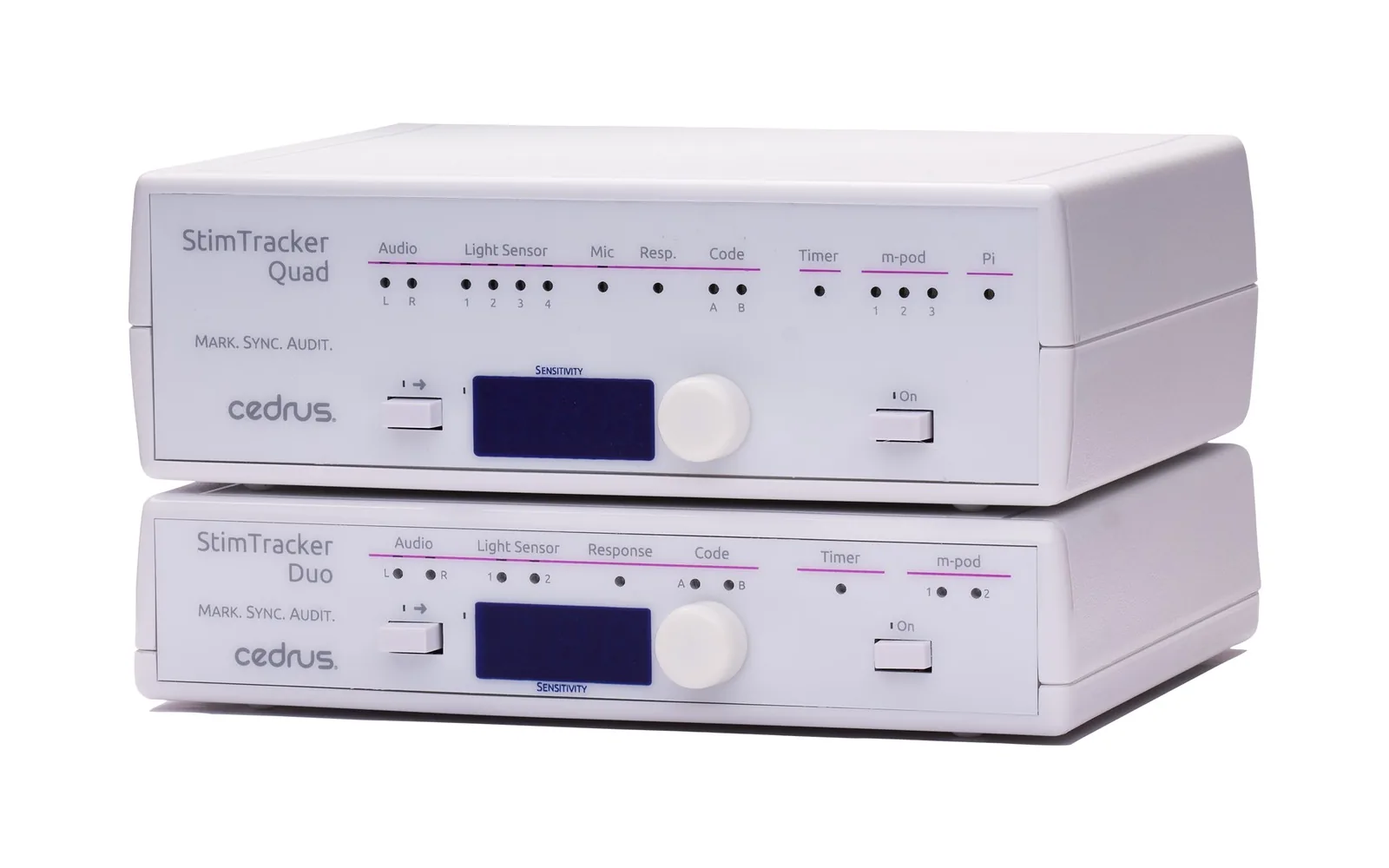
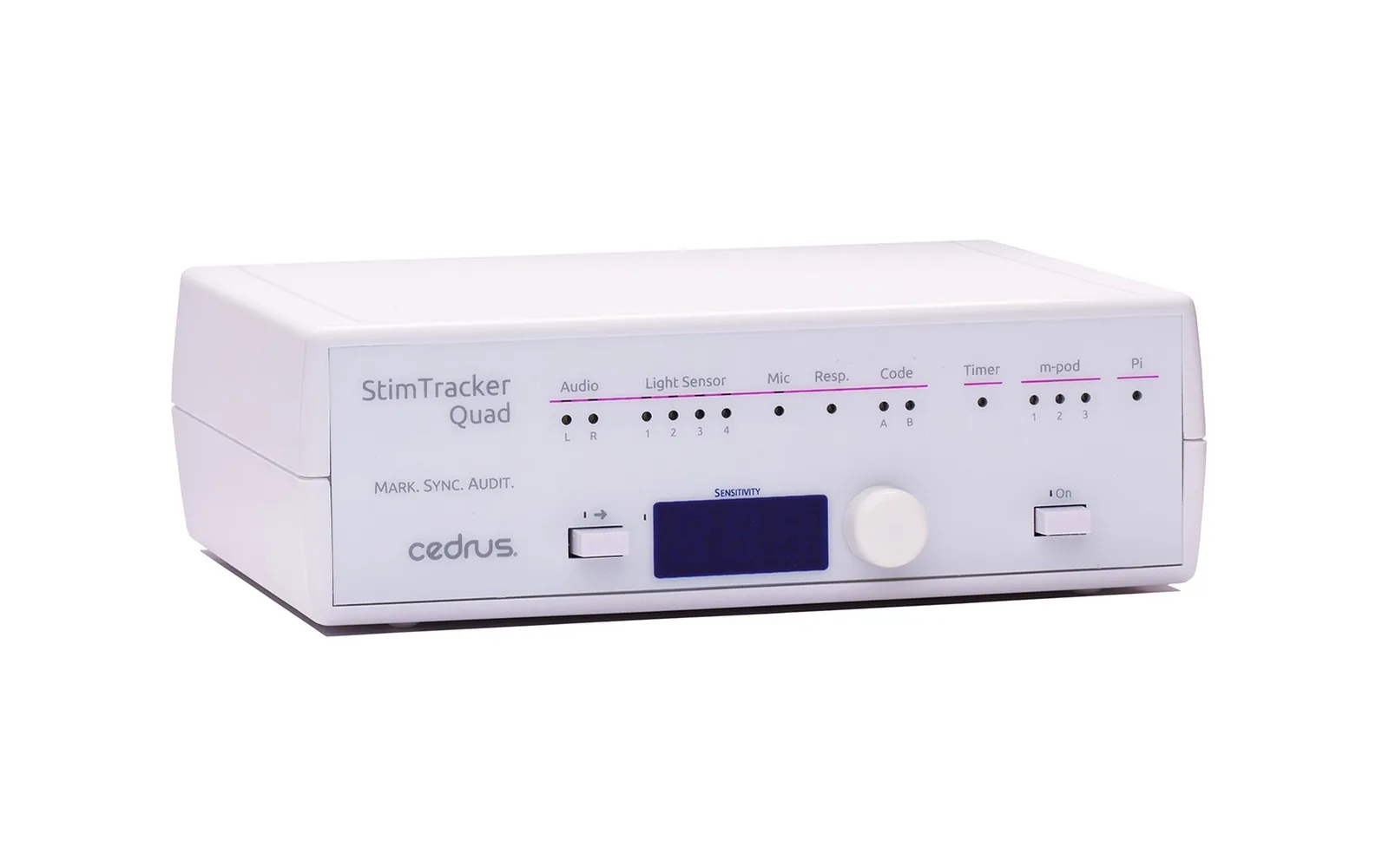
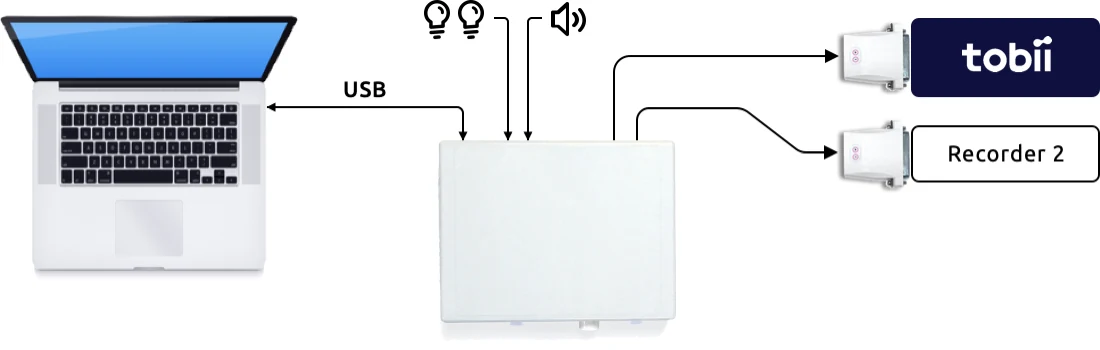
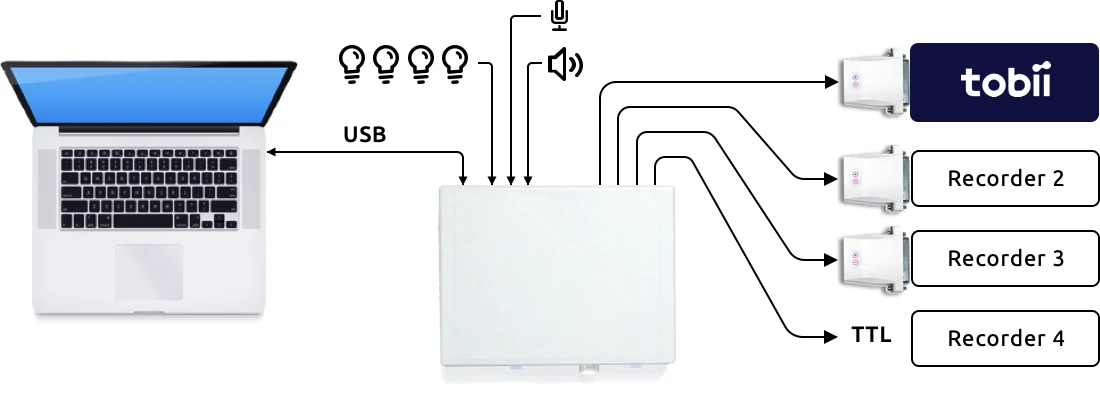
| Inputs | Duo: 2 light sensors, audio, RB-x40 pad, USB · Quad: 4 light sensors, audio, microphone, RB-x40 pad, 3 TTL inputs, USB |
|---|
| Outputs | Duo: 2 m-pods · Quad: 3 m-pods + 1 direct TTL; both: USB output with timestamp |
|---|
| Functions | asynchronous output, signal filtering, pulse generator, scheduler, pulse offset between devices |
|---|
| Power | 9 V, 5.5/2.1 mm plug (center positive); 250 mA + 50 mA per m-pod |
|---|
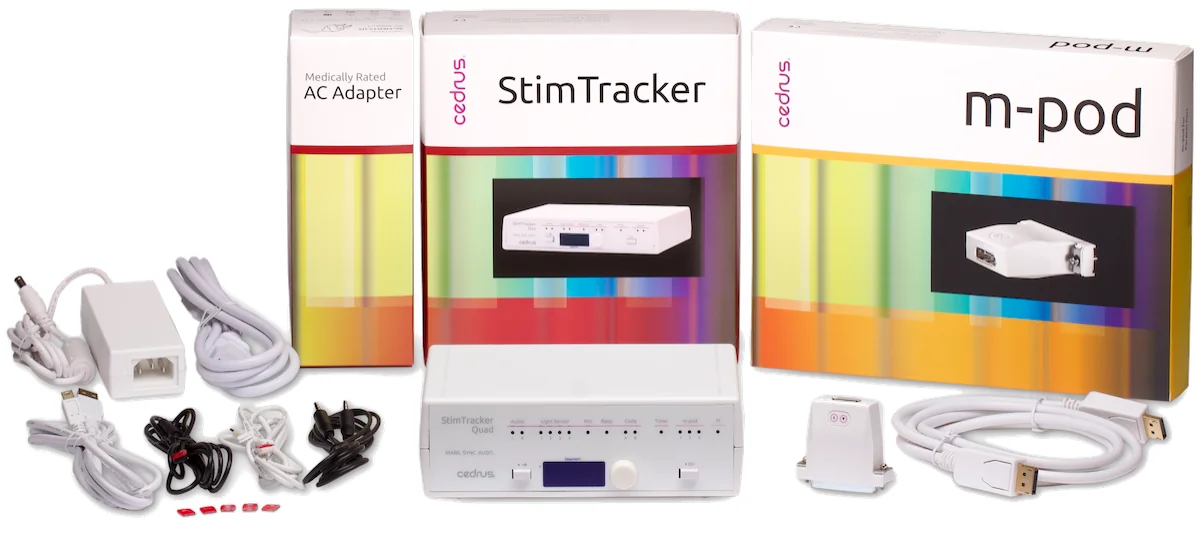
| Weight with packaging | Duo 1.09 kg · Quad 1.18 kg · m-pod 0.36 kgpackaging 26.9 × 21.1 × 7 cm (with m-pod 11.5 cm) |
|---|
| Software | Tobii Pro Lab, Tobii Pro SDK; SuperLab, PsychoPy, E-Prime, Presentation, Inquisit, Experiment Builder, MATLAB, Python, C++; m-pod configuration: Xidon 2 |
|---|
| Manufacturer | Cedrus Corporation (USA) |
|---|

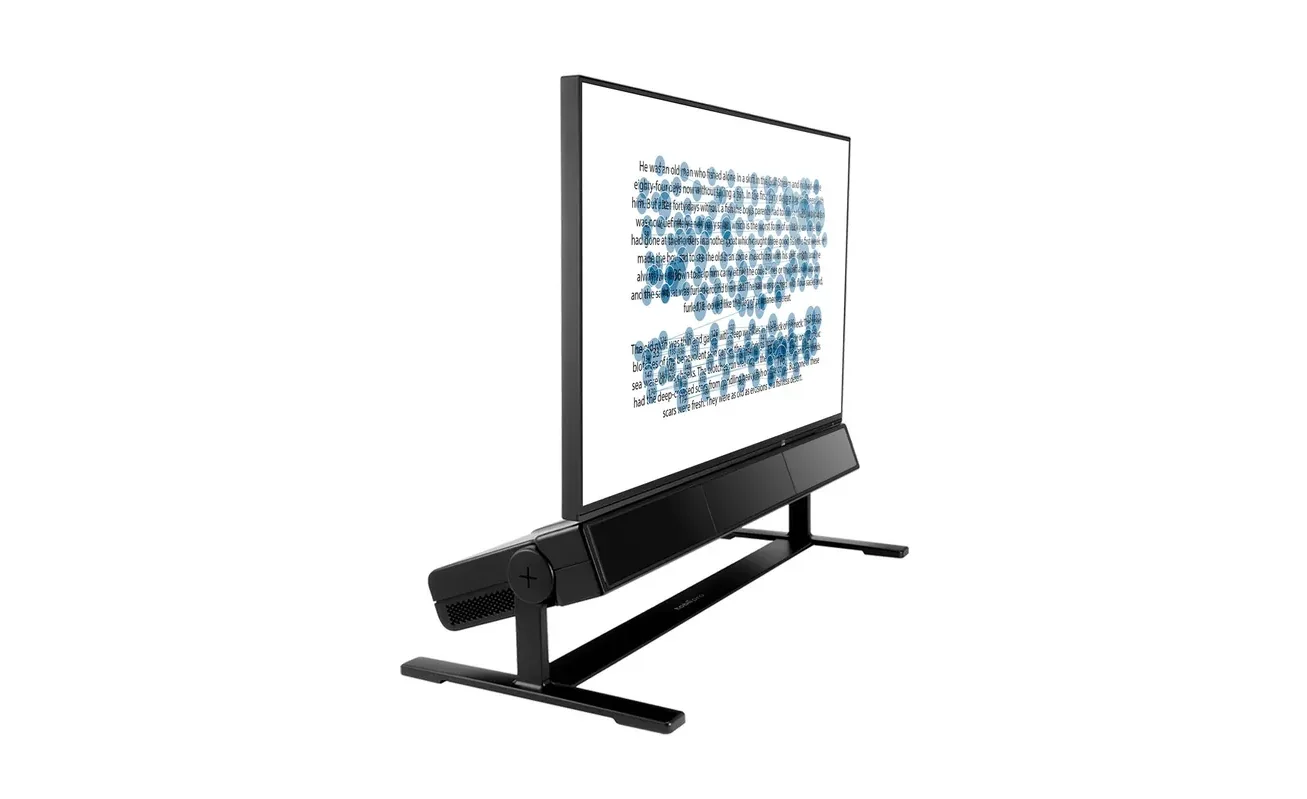 Eye tracker