fNIR103MMobile Imaging
- Imager 2000M (up to 18 channels)
- fNIRSoft Pro and COBI Studio
- 3 × 18-channel sensors
- 2 sensor cables (left and right)
- US/EU power adapter
For a lab that already has a research computer.

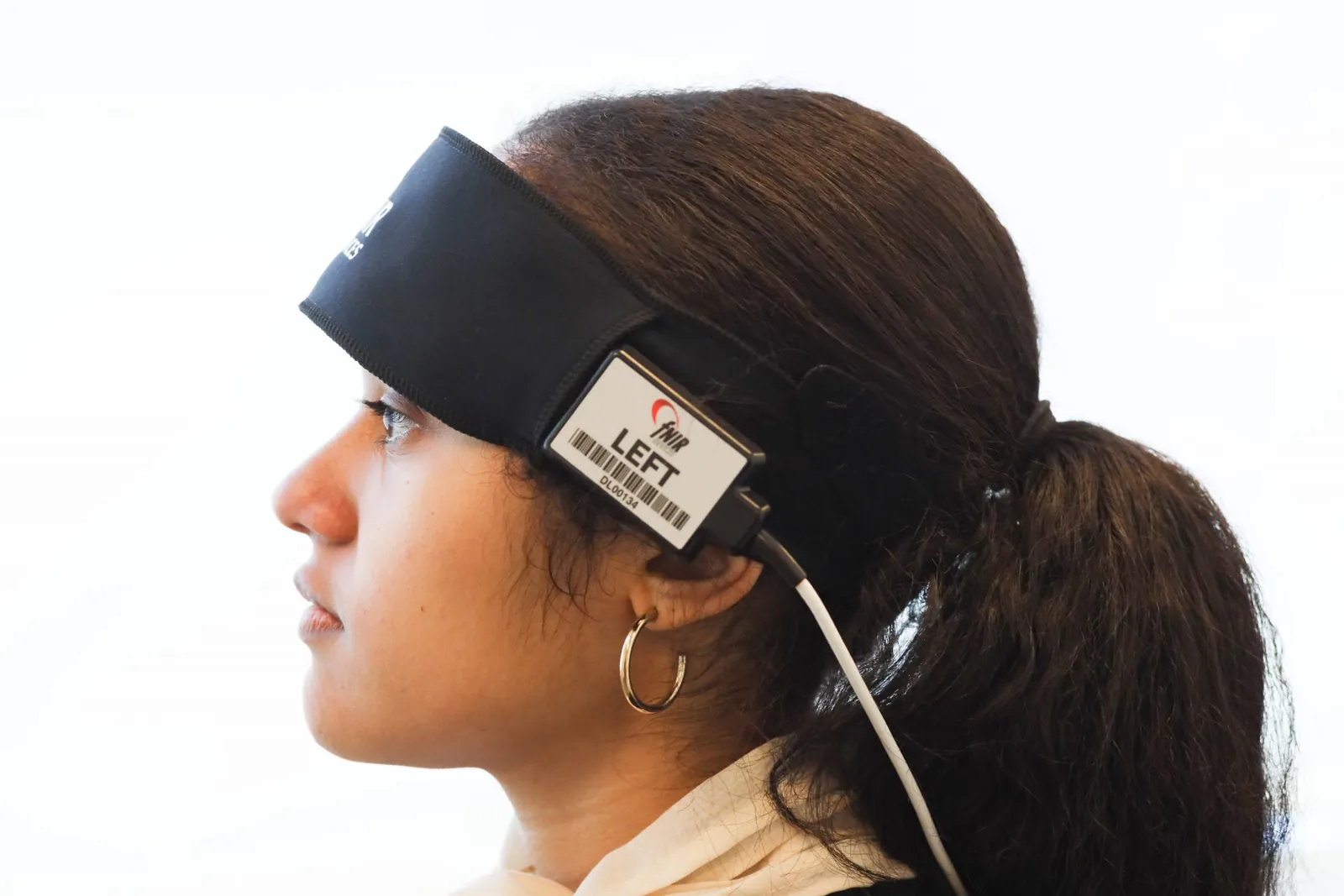
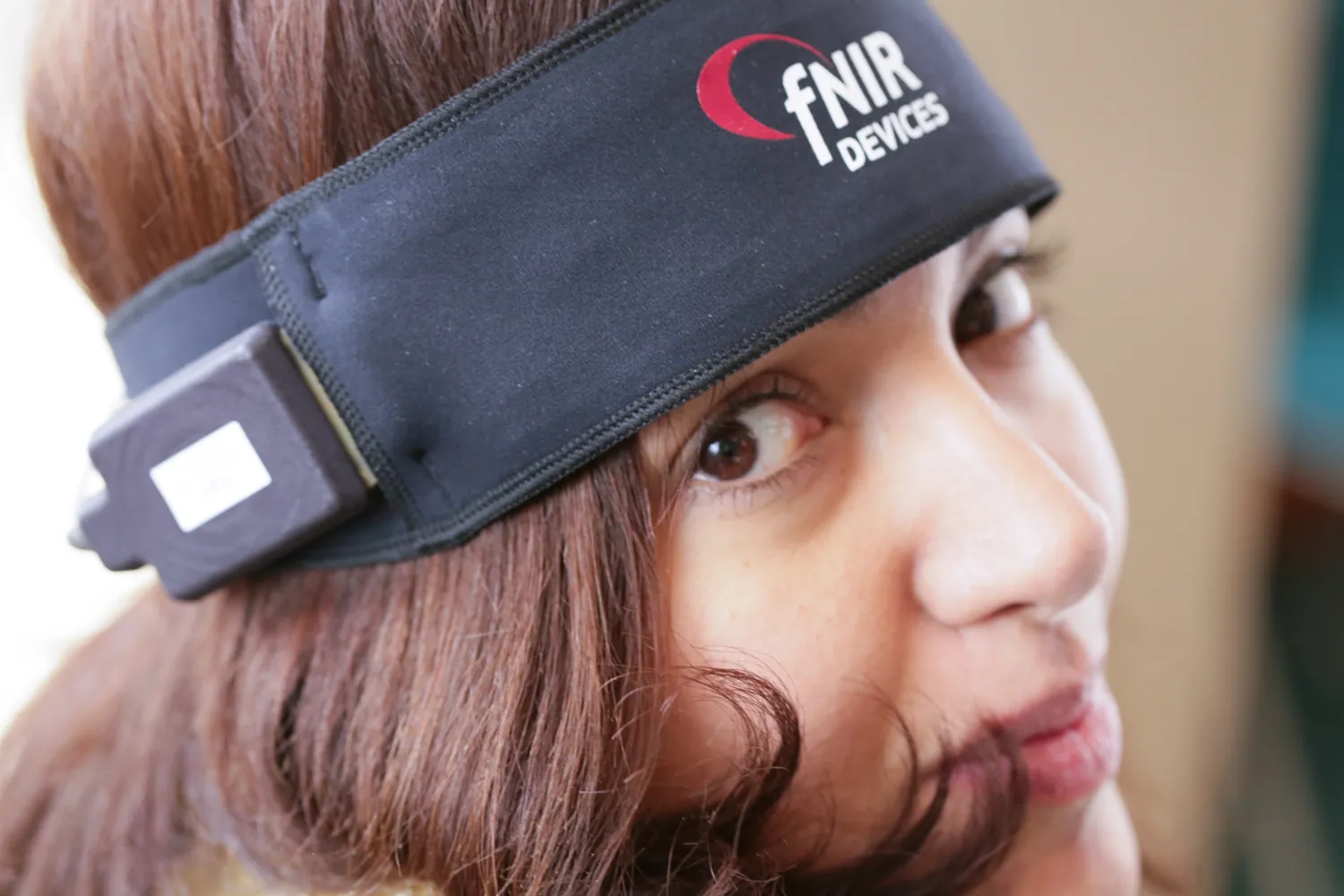
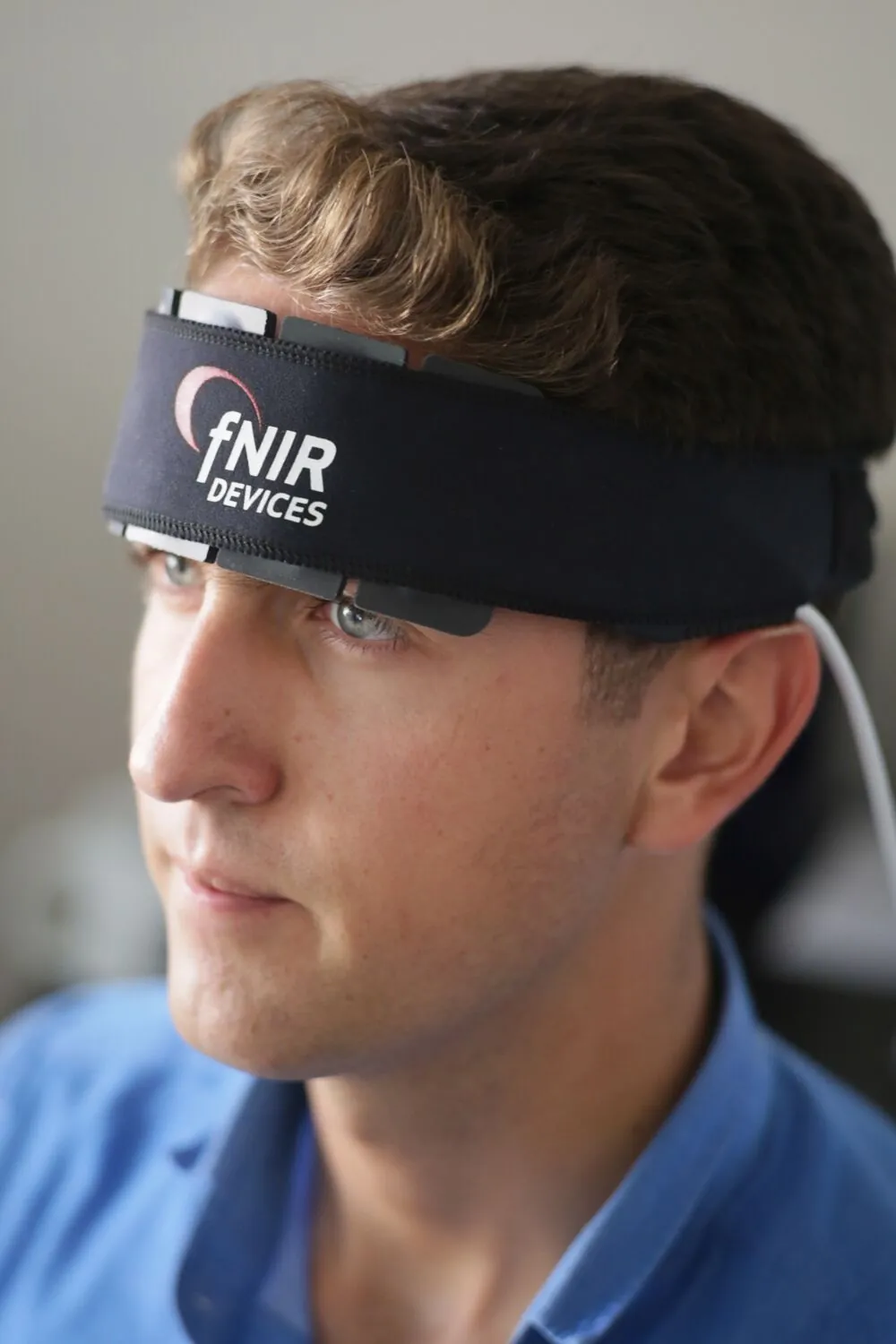
A wireless fNIRS system for prefrontal cortex research. A sensor under the headband shines near-infrared light into the forehead and measures how blood oxygenation changes in the working cortex — at a computer, in a simulator, in VR or in the field. The control unit fits on the participant’s arm.
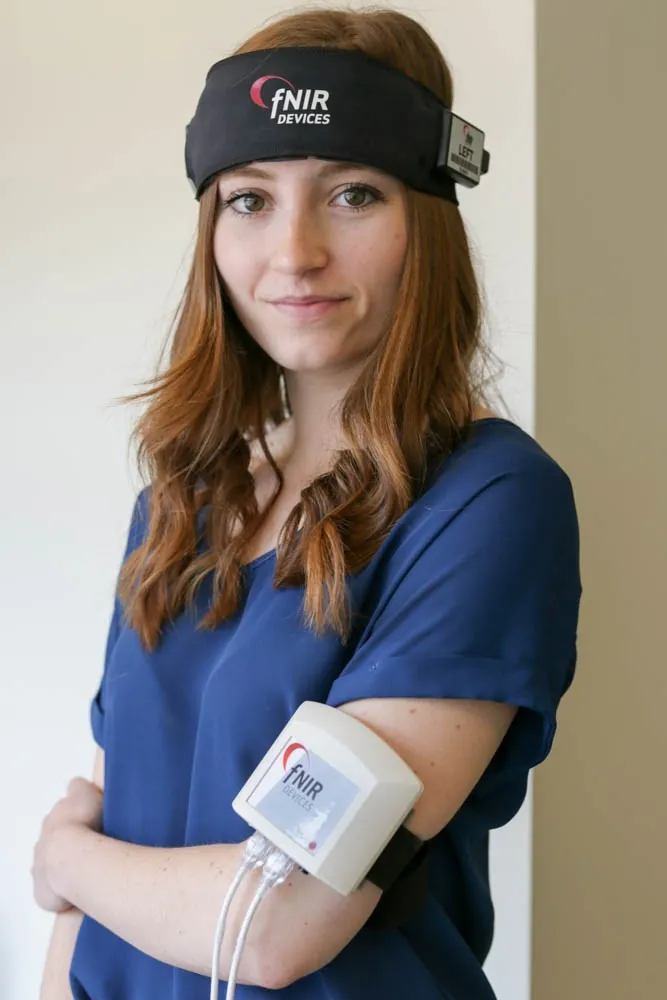 Sensor on the forehead · 730 / 850 nm
Imager 2000M · wireless
A working part of the brain needs more oxygen, so more oxygenated blood flows into it. fNIRS — functional near-infrared spectroscopy — detects this change with light. The sensor on the forehead shines light into the head and, a few centimeters away, measures how much light comes back. Less light means more hemoglobin absorbed it along the way — this is how a record of prefrontal cortex activity is created.
Baseline — the participant is resting.
The cross-section and indicators are an illustration, not a device recording. Photo: fNIR Devices.
Δ O2HbOxygenated hemoglobinconcentration change in µmol/L — rises in the working cortexΔ HHbDeoxygenated hemoglobinconcentration change in µmol/L — usually falls as fresh blood flows inΔ cHbTotal hemoglobinsum of both — approximates the change in blood volume in the measured arearaw 730 / 850Raw light intensityfor each wavelength and channel — for your own processing and quality controlfNIRS vs. fMRI. Both methods track the brain’s vascular response — the inflow of oxygenated blood to a working area. fNIRS measures it without a scanner, noise or immobilization: the participant sits at a desk, walks, drives a simulator or wears a VR headset. The measurement covers the cortical surface beneath the sensor — in this system the prefrontal cortex, associated with attention, working memory, planning and problem solving, among others.
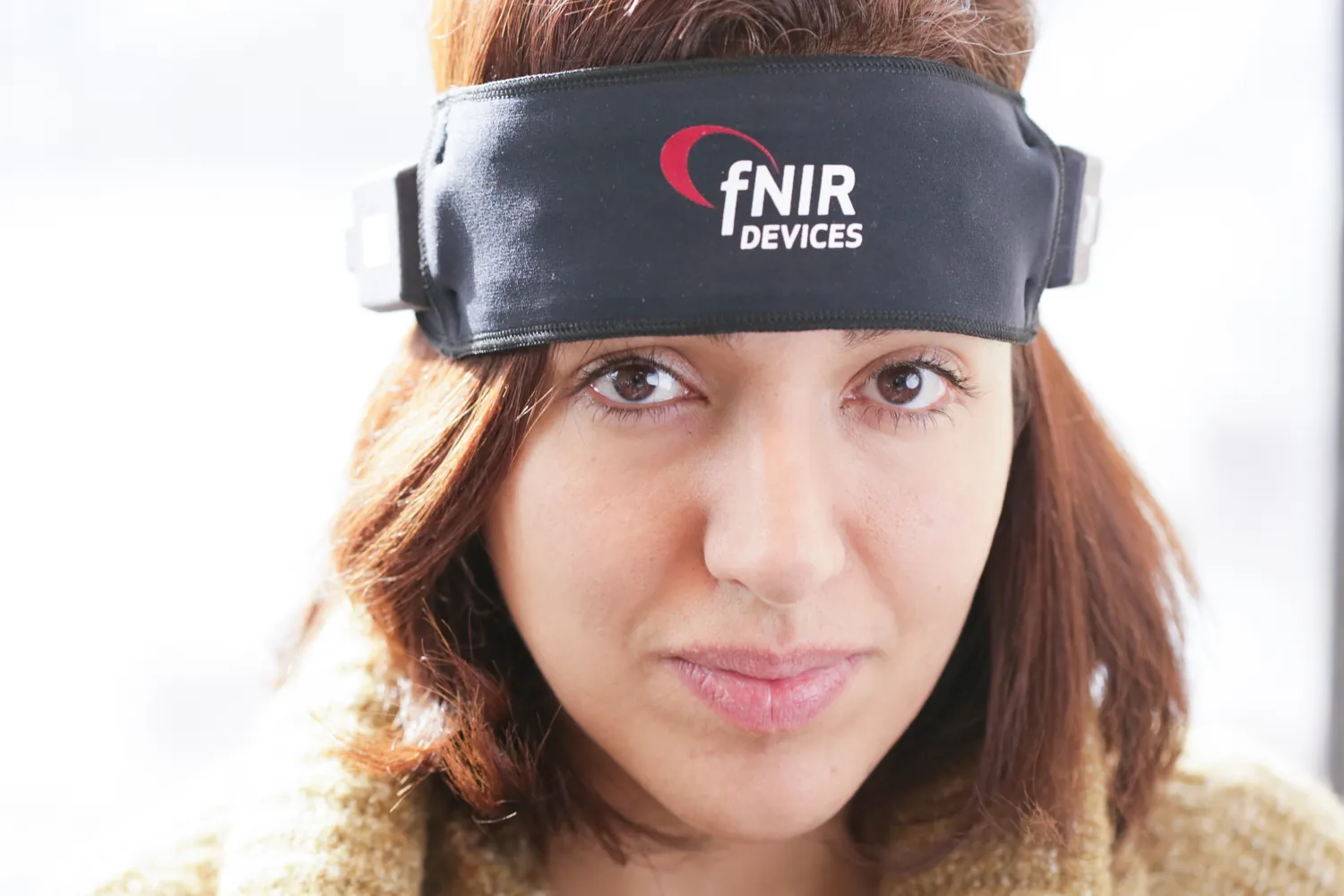
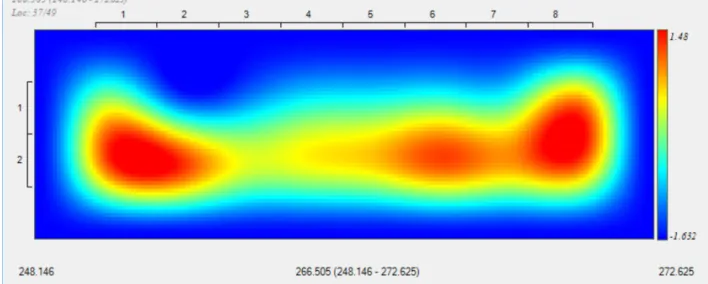
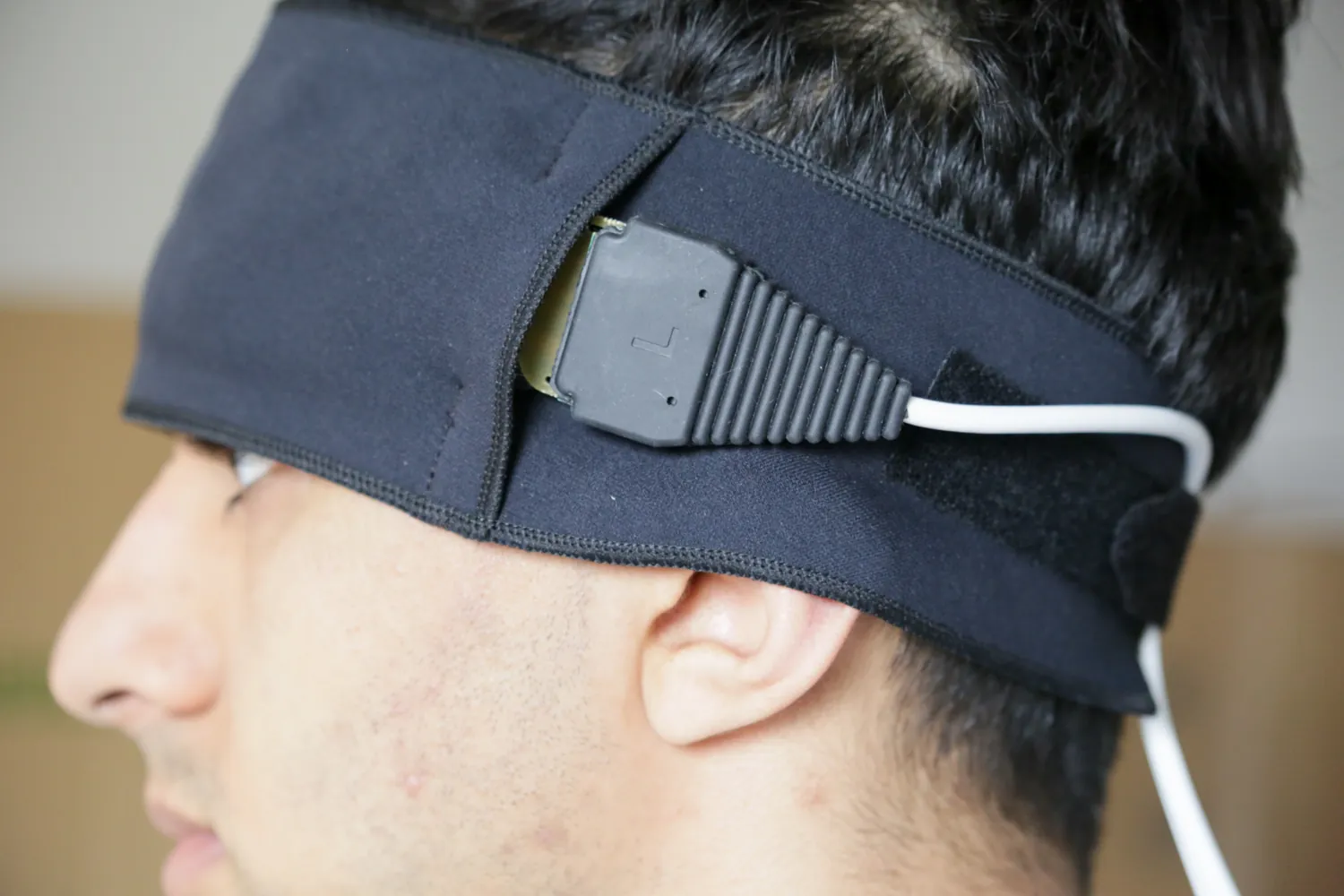
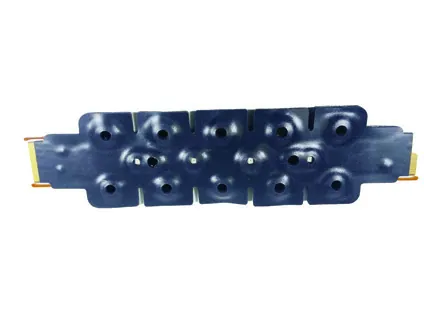
Under the headband sits a flexible silicone sensor: 4 light sources and 12 detectors. Each source–detector pair is a channel — a separate oxygenation measurement point. Click a channel to see its recording.
center of forehead · source 2 – upper detector pair
Illustration — the data is generated by the browser (4 samples per second). Yellow bands: task blocks.The channel layout on the photo is illustrative; figures according to BIOPAC and fNIR Devices.
COBI Studio controls the device and records the session, fNIRSoft Pro processes and analyzes the data — no programming required. Both programs come with every 2000M kit, and one fNIRSoft license is included with the system.


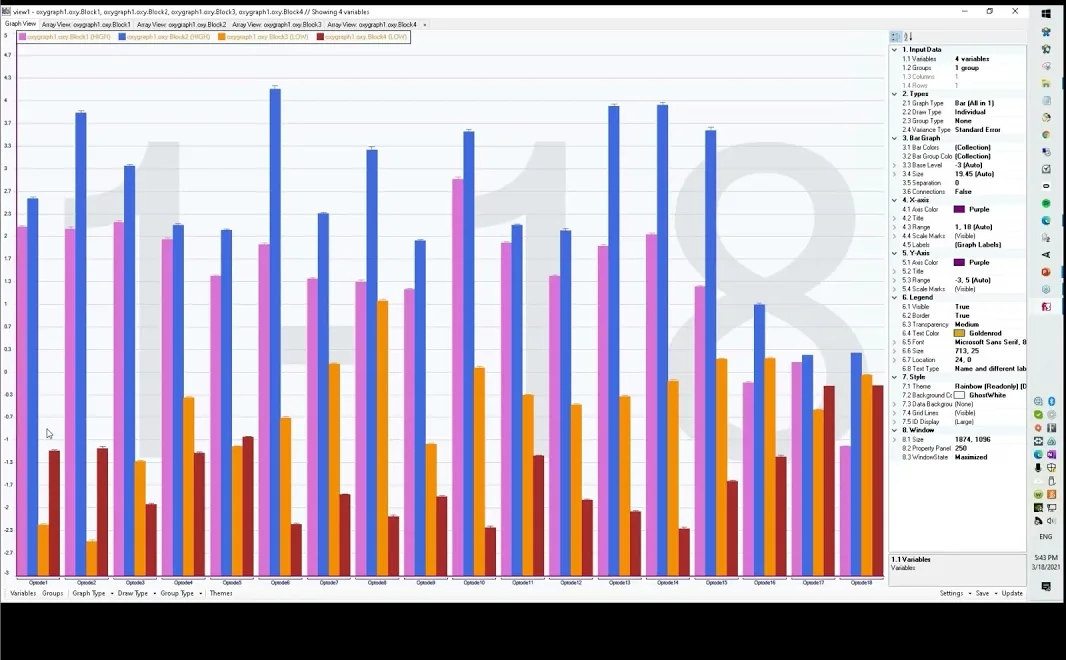
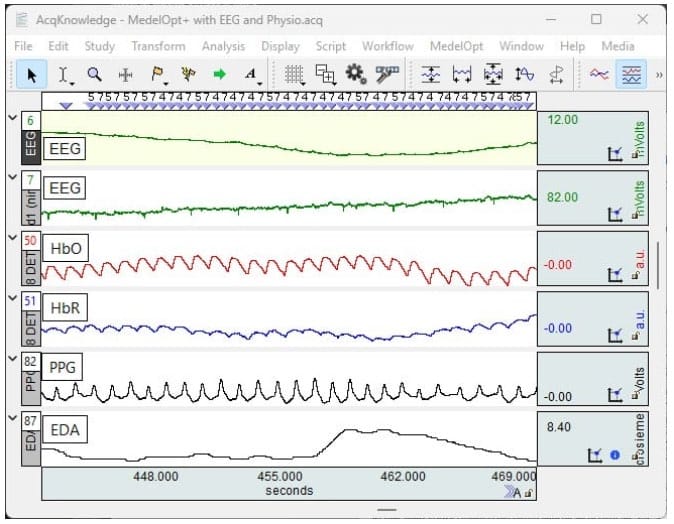
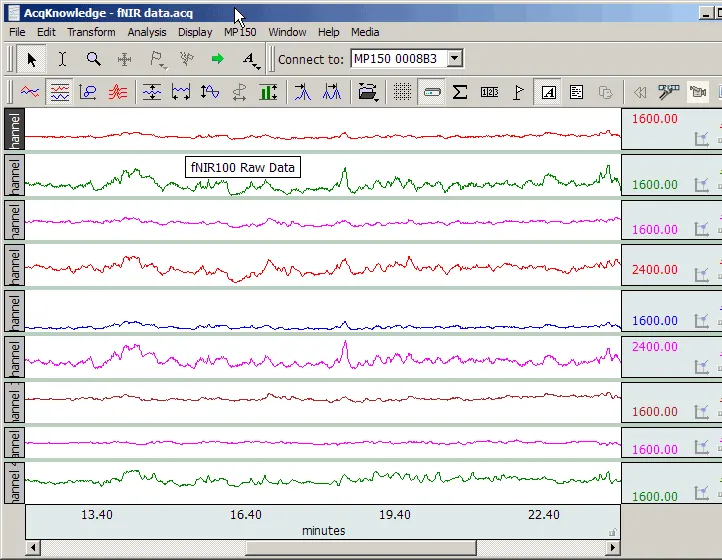
Data from the system can be synchronized with and imported into BIOPAC AcqKnowledge — together with ECG, respiration, EDA or blood pressure recorded by the MP200.
The system works with popular stimulus presentation software, including E-Prime and SuperLab, and with the BIOPAC VR platform — event markers go into the fNIRS recording.
The 2000M kit includes the Pro edition. Additional licenses for further analysis workstations, single or shared, and updates are available separately.
A common route to fNIRS is a subscription-based multimodal platform, to which a sensor from another manufacturer is connected via an additional module. The 2000M is a complete system: hardware, recording and analysis in one kit, and we configure synchronization with BIOPAC physiology together with it.
| Feature | fNIRS 2000M from Interlab | Subscription platform + competing hardware |
|---|---|---|
| fNIRS software | COBI Studio + fNIRSoft Pro included — recording, blocks, artifacts, maps and statistics | sensor manufacturer’s software + a separate fNIRS module of the platform, connected via an LSL stream |
| License to get started | fNIRSoft license included with every system | mandatory core module + additional modules; annual renewal |
| Synchronization with physiology | TTL output to the BIOPAC MP200 — recording start, end and markers in the AcqKnowledge file; both systems from the exclusive BIOPAC partner in Poland | further paid platform modules |
Subscription platform: a popular multimodal platform with an fNIRS module; description based on its manufacturer’s website, as of 2026-10.

We help plan the study, set up the system and train your team.
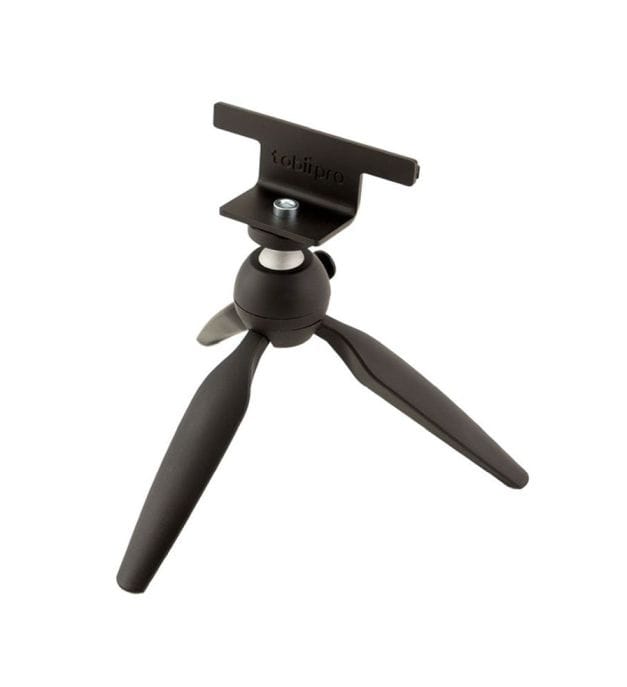
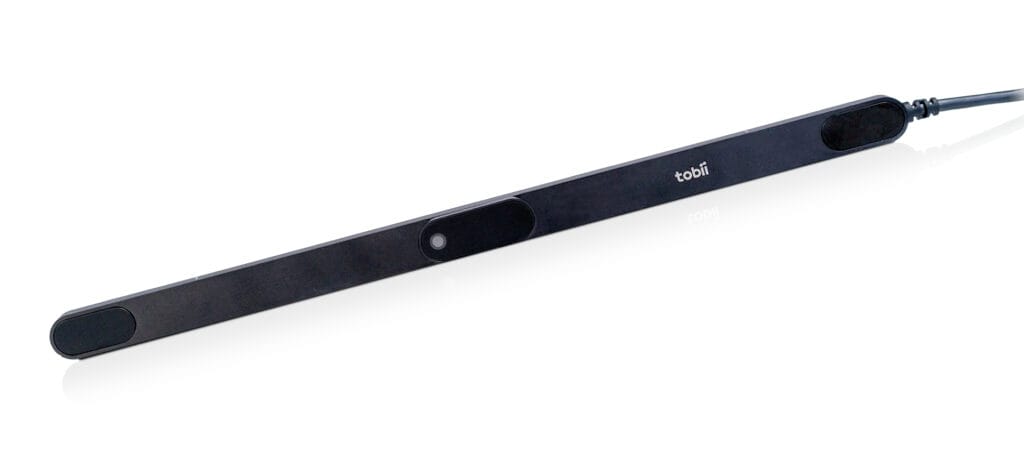
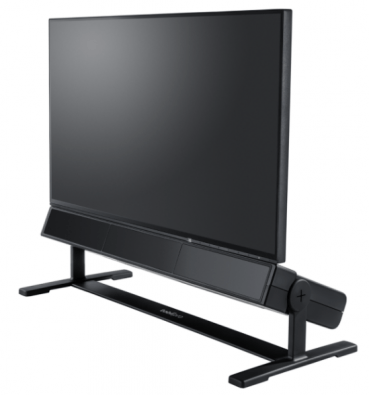
fNIRS shows how hard the prefrontal cortex was working. Eye tracking — what the participant was looking at. Physiological signals — how the body responded: heart, skin, breathing. Together they answer questions that no single method can, e.g. whether an increase in cognitive load went hand in hand with stress and a loss of attention on a key interface element.
The signal tracks are an illustration. We configure and set up the fNIRS + BIOPAC + Tobii workstation together — the connection scheme is matched to your study protocol.
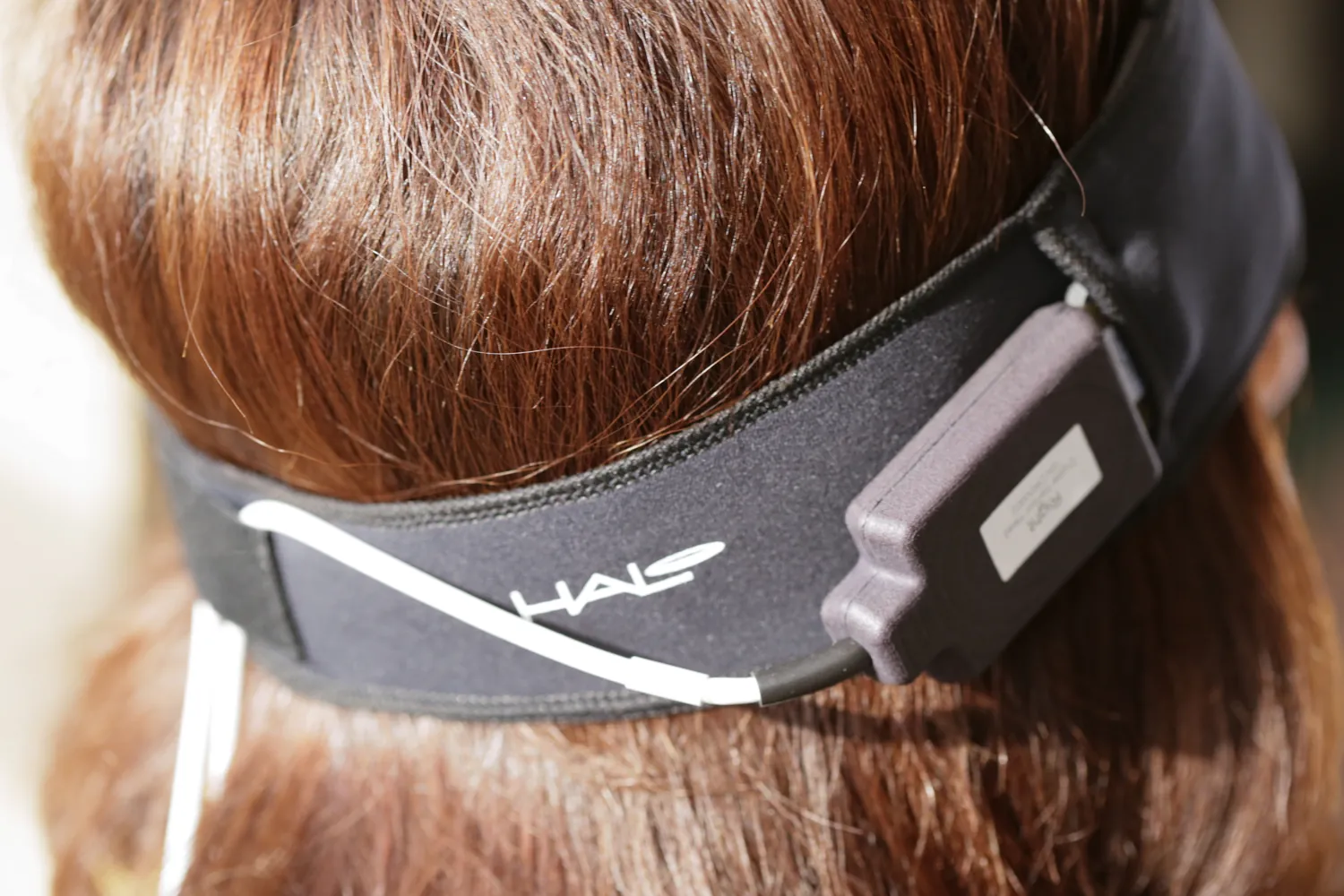
The Imager 2000M powers the sensor, collects data and sends it wirelessly to the computer running COBI Studio. It is worn on an arm strap, so the participant can walk, reach for objects and work at a workstation — with no cable to the desk.
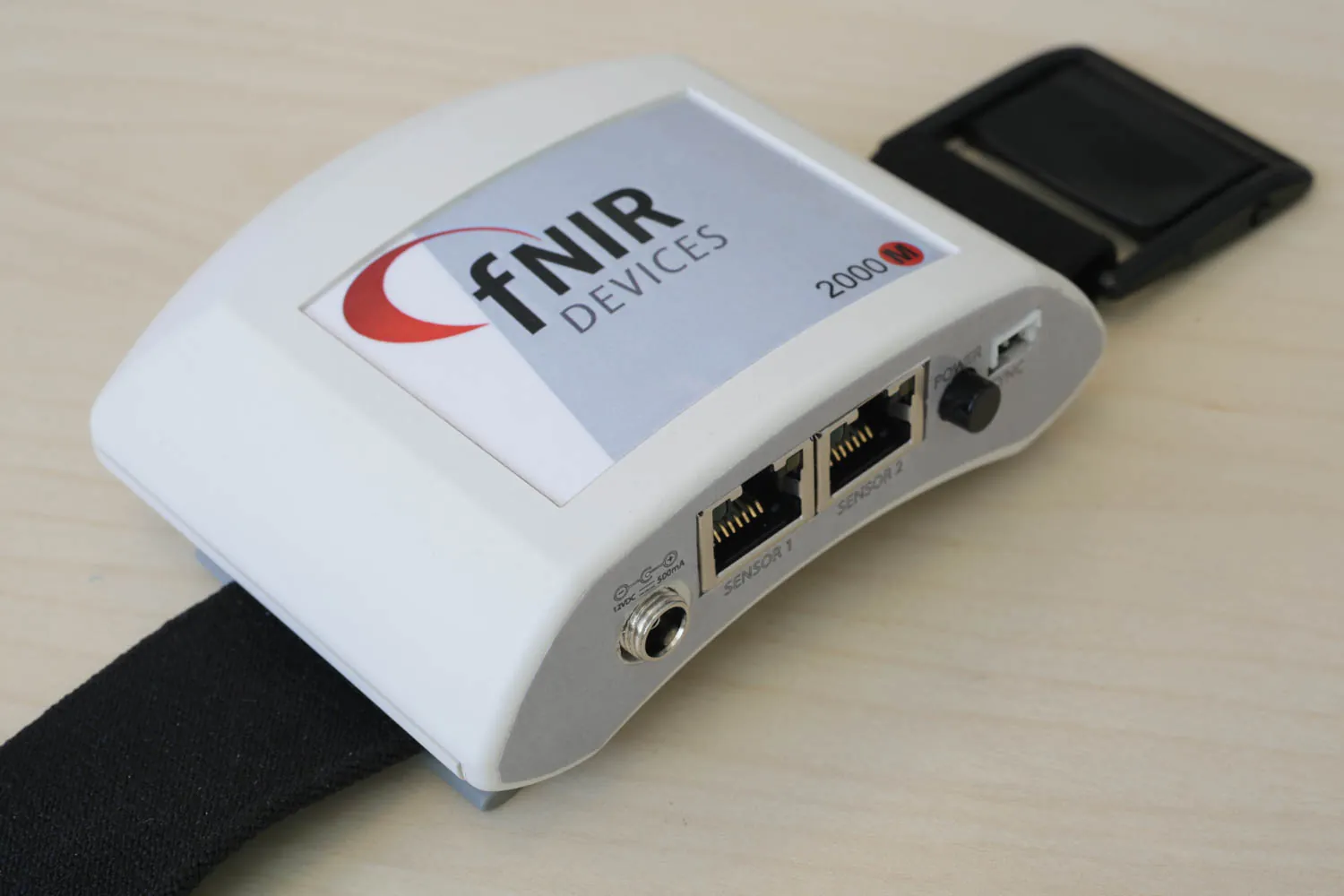
Every kit includes the Imager 2000M, COBI Studio and fNIRSoft Pro software, and three 18-channel sensors — spare pads come in handy for study series and for cleaning sensors between participants.
fNIR103MFor a lab that already has a research computer.
fNIR203MA ready-to-use data collection station — also outside the building.
fNIR303MWhen studies require smaller sensors and hardware quality control.
Areas indicated by the manufacturer. The common denominator: the participant performs a real task instead of lying in a scanner.
How much mental effort a task costs — for operators, air traffic controllers, drivers and pilots. The manufacturer reports a positive correlation between the fNIRS response and task load.
Comparing panel variants, procedures or ergonomic layouts by their cognitive cost.
Controlled scenarios in VR headsets, synchronized with the fNIRS recording.
Cortical oxygenation as a control signal in BCI research.
Progress in neurological rehabilitation, pain assessment, aging research — also during gait.
Attention, working memory, planning, problem solving.
Cortical response to an advertisement, a product or a stressful situation — outside the lab.
According to BIOPAC and fNIR Devices materials. The kit configuration is confirmed in the quote.

| Parameter | Value |
|---|---|
| Measurement | |
| Method | continuous-wave near-infrared spectroscopy (CW fNIRS); calculations using the modified Beer-Lambert law |
| Quantities | Δ oxy-Hb, Δ deoxy-Hb, Δ total-Hb (µmol/L) and raw light intensity for each channel |
| Channels | up to 18max. 4 sources and 12 detectors |
| Sampling rate | up to 4 Hz |
| Wavelengths | 730 nm and 850 nm — dual-wavelength LEDs |
| Area | prefrontal cortex (sensor on the forehead) |
| Sensor | |
| 18-channel sensor | 12 detectors, 4 sources, 25 mm separation; weight approx. 32 g |
| Detectors and material | silicon photodiodes with integrated preamplifier; injection-molded silicone |
| Additional sensors | 5- and 6-optode (in the fNIR303M kit); phantom for testing sensors |
| Imager 2000M unit | |
| Communication | wireless |
| Power | battery: approx. 1 h of recording, approx. 3 h charging; power adapter 90–264 V AC, 50/60 Hz |
| Synchronization | 1 TTL port (JST PH connector) |
| Dimensions | 96 × 85 × 32 mm |
| Operating conditions | 0–50 °C, humidity 10–90 % non-condensing |
| Software and computer | |
| Software | COBI Studio (acquisition) and fNIRSoft Pro (analysis) included |
| Computer | Windows; i5 processor or better (quad-core recommended), min. 1 GB RAM (2 GB or more recommended)the fNIR203M and fNIR303M kits include a computer |
| Warranty | unit: 12 months; sensor: 3 months (limited) |
Sources: biopac.com (fNIRS Mobile Imaging Systems product page, fNIRS page, fNIR Devices catalog, fNIR Systems product sheet) and fnirdevices.com, as of 2026-10.
EEG measures the electrical activity of neurons and responds within milliseconds. fNIRS measures changes in blood oxygenation in the cortex, which build up more slowly but are easier to attribute to a specific location under the sensor and are less sensitive to movement. The two methods are often combined in one study.
Yes. The system uses near-infrared LEDs — the manufacturer describes the method as non-invasive and safe. There is no ionizing radiation, magnetic field or noise, and the participant does not have to lie still.
According to the manufacturer, recording can start within about 5 minutes: you place the sensor under the headband, check the signal in COBI Studio, record a baseline and start recording.
Yes — this is the main advantage of the 2000M version. The unit is worn on the arm and connects to the computer wirelessly, and the battery lasts for about an hour of recording. The manufacturer describes, among others, studies during walking.
The 2000M sensor sits on the forehead, below the hairline, over the prefrontal cortex. For other areas of the head the manufacturer offers separate sensors — ask us if your study requires them.
Yes. The 2000M sends TTL pulses to the BIOPAC MP200, and fNIRS data can be imported into AcqKnowledge, which also records physiology and supports Tobii eye trackers. As the exclusive BIOPAC partner in Poland, we supply all the systems and configure them together.
Yes — book a demo and tell us about your study. Contact us.