| Sampling and latency |
|---|
| Sampling frequencies | 30, 60, 120 or 250 Hzmaximum depends on the hardware version: 60, 120 or 250 Hz |
|---|
| Eye tracker latency | mean < 13 ms at 250 Hz (SD < 1.2 ms) |
|---|
| Tracking recovery | after a blink: 1 frame; after tracking loss: 250 ms |
|---|
| Data quality |
|---|
| Accuracy | 0.3°in optimal conditions |
|---|
| Precision | 0.04° RMS (Savitzky-Golay filter) · 0.2° RMS (raw signal)in optimal conditions |
|---|
| Method | video-based pupil and corneal reflection, dark and bright pupil modesdark — all frequencies; bright — 60 and 120 Hz |
|---|
| Binocular tracking | yes — two cameras, stereo imaging of both eyes |
|---|
| Participant and setup |
|---|
| Head movement box | 40 × 25 cm at 65 cm · 45 × 30 cm at 80 cm |
|---|
| Operating distance | 50–80 cm from the eye tracker (screen-mounted) |
|---|
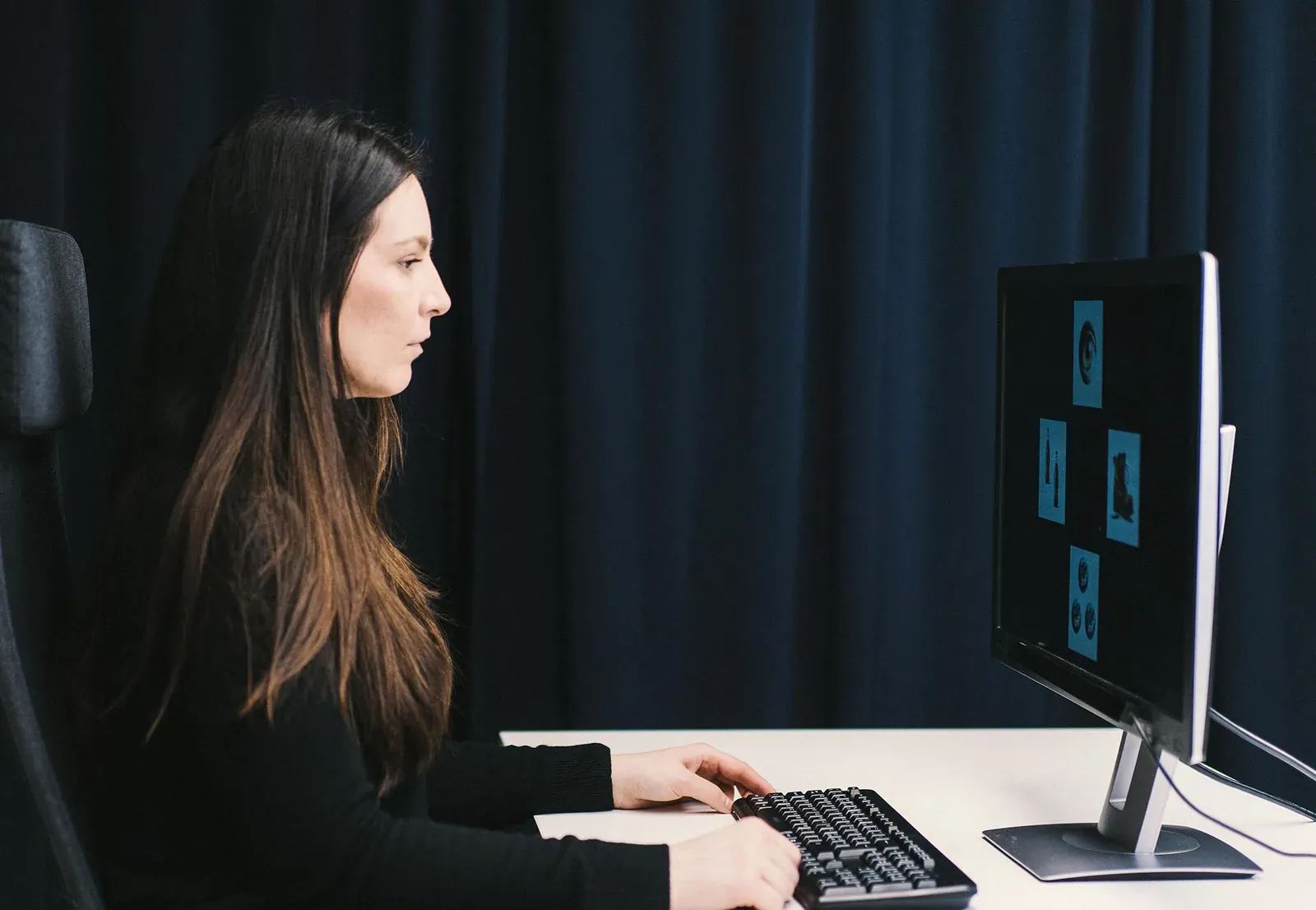
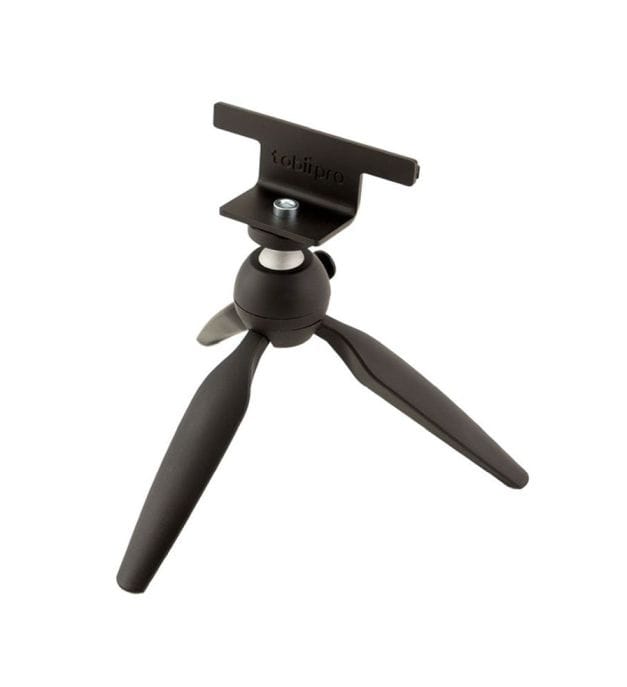
| Optimal screen size | up to 24″ (16:9)on a stand: larger screens and physical objects |
|---|
| Calibration | binocular or monocularparticipant setup usually < 1 min |
|---|
| Data and synchronization |
|---|
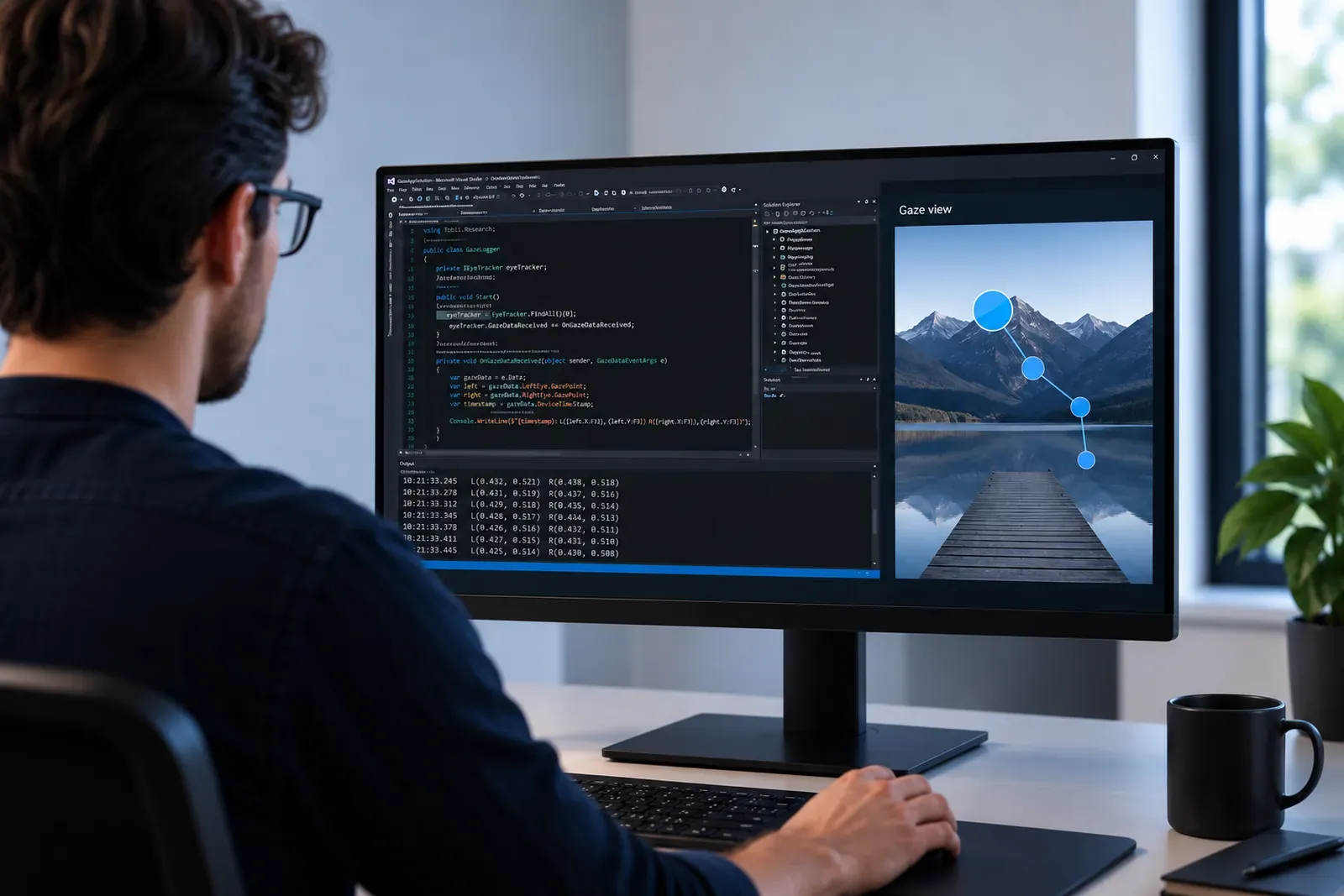
| Data output | timestamp, eye position, gaze point, pupil diameter |
|---|
| Eye openness | in mm, separately for each eye; at all frequencies, with the same timestamps as gaze data |
|---|
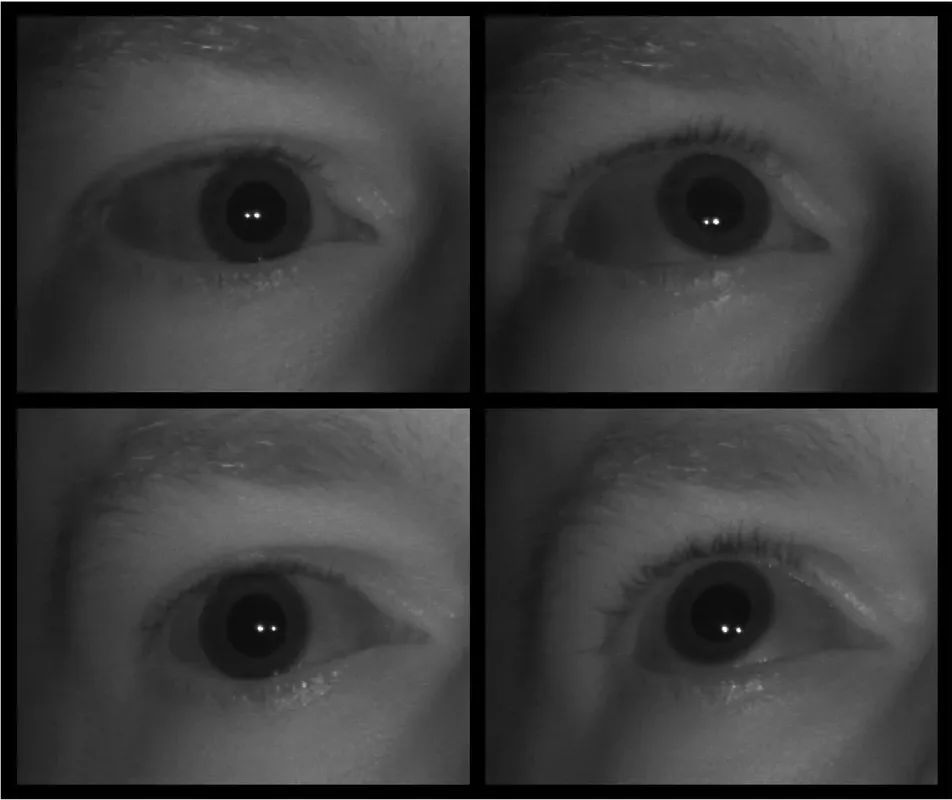
| Eye images | approx. 4 Hz (one image of each eye) |
|---|
| TTL input | none |
|---|
| Time synchronization | integrated between the eye tracker and computer time domains |
|---|
| Device |
|---|
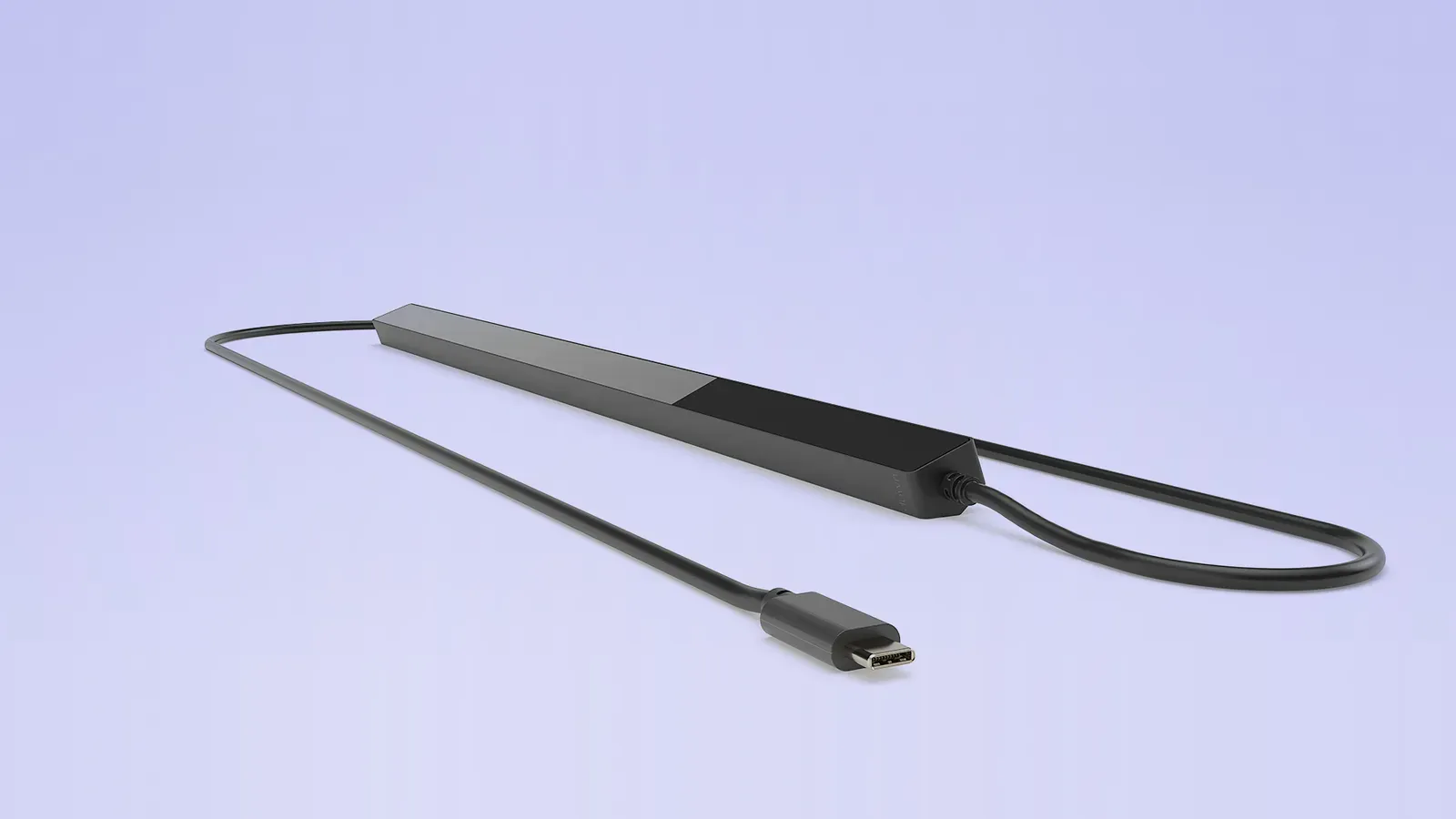
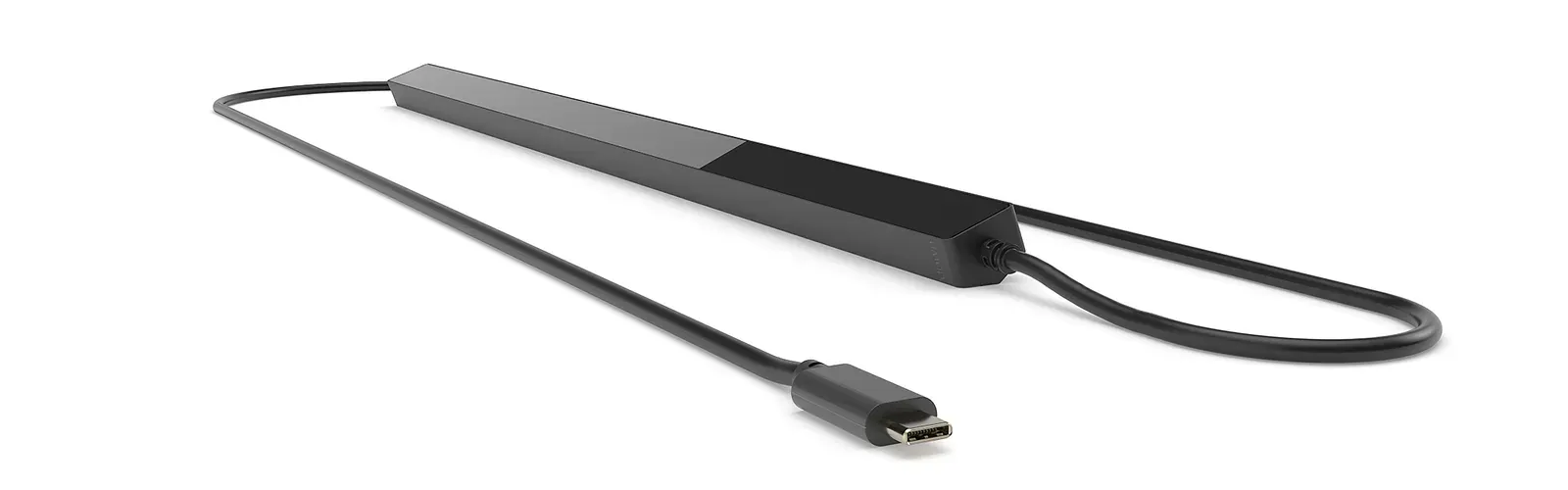
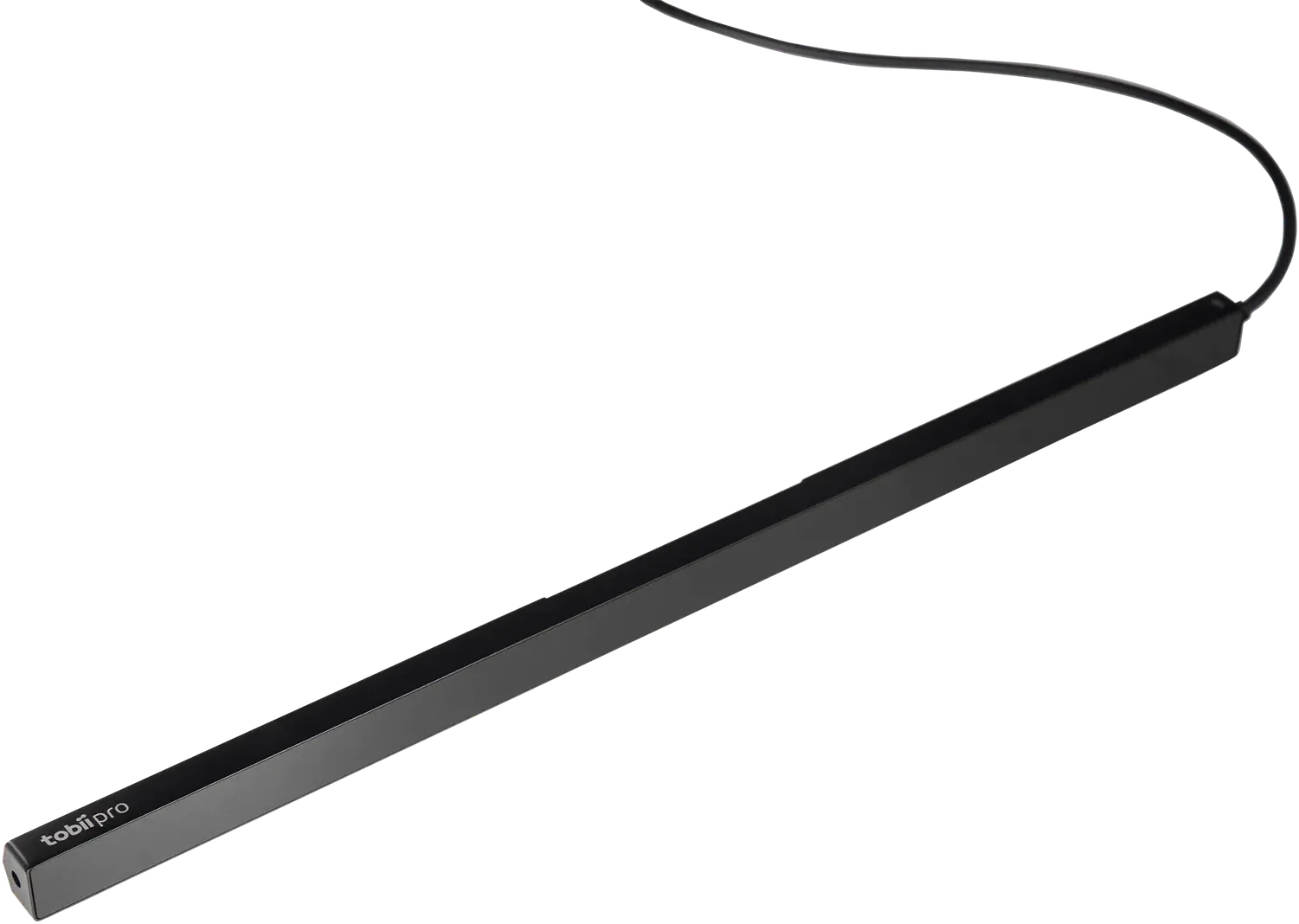
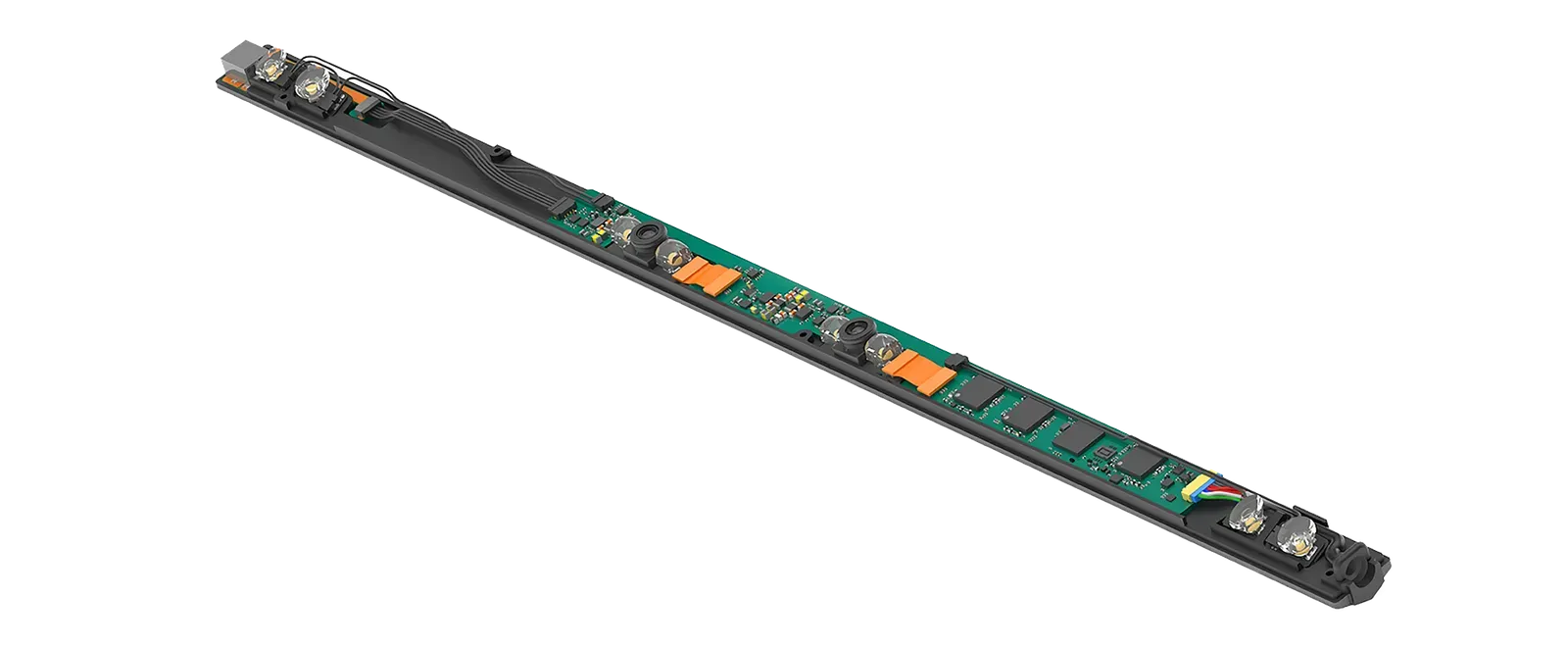
| Dimensions and weight | 37.4 × 1.8 × 1.37 cm; 168 g |
|---|
| Cameras and processing | 2 Tobii EyeSensor™ modules; 3 Tobii EyeChip™ processors — on-device processing |
|---|
| Connectors and power | USB Type-C (USB-A adapter included); powered via USB-C or by a power adapter with a USB 2.0 Type-A port |
|---|
| Power consumption | typically 4.3 W, max. 9 W |
|---|
| Operating systems | Windows, macOS, Linux |
|---|
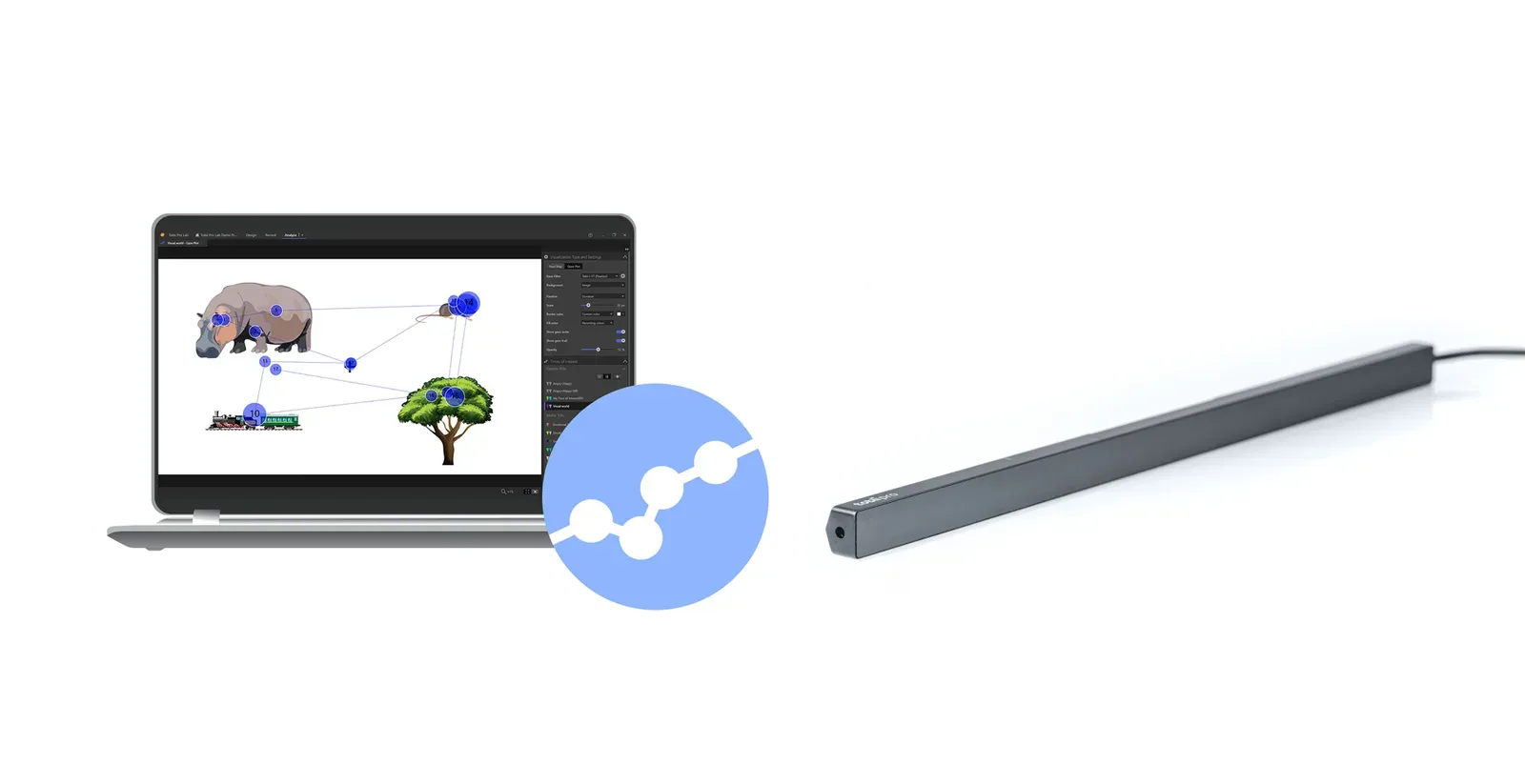
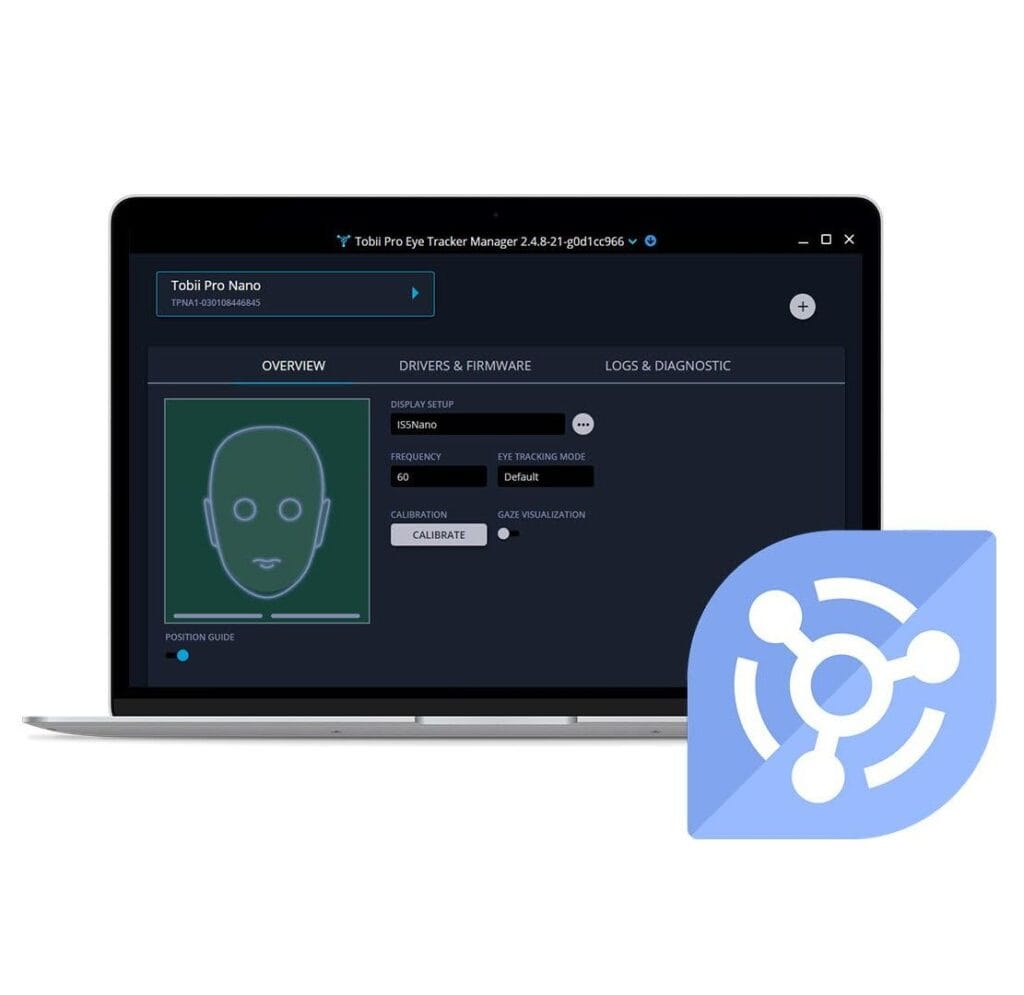
| Software | Tobii Pro Lab, Tobii Pro Eye Tracker Manager, Tobii Pro SDK and applications based on it |
|---|
| In the box | eye tracker bar with magnetic mount, USB-C cable, USB-A adapter, power adapter, quick start guideTobii Pro SDK and Eye Tracker Manager licenses included; Tobii Pro Lab license sold separately |
|---|

 01 · In the lab